
Archive for the ‘Parenthood’ Category

The Parental Road Less Travelled

[vc_row type=”in_container” full_screen_row_position=”middle” column_margin=”default” column_direction=”default” column_direction_tablet=”default” column_direction_phone=”default” scene_position=”center” text_color=”dark” text_align=”left” row_border_radius=”none” row_border_radius_applies=”bg” overlay_strength=”0.3″ gradient_direction=”left_to_right” shape_divider_position=”bottom” bg_image_animation=”none”][vc_column column_padding=”no-extra-padding” column_padding_tablet=”inherit” column_padding_phone=”inherit” column_padding_position=”all” background_color_opacity=”1″ background_hover_color_opacity=”1″ column_shadow=”none” column_border_radius=”none” column_link_target=”_self” gradient_direction=”left_to_right” overlay_strength=”0.3″ width=”1/1″ tablet_width_inherit=”default” tablet_text_alignment=”default” phone_text_alignment=”default” column_border_width=”none” column_border_style=”solid” bg_image_animation=”none”][vc_column_text]I feel a mix of emotions when I recall the day I decided I could not send Sunshine Boy to school anymore. Looking into the mirror, I firmly told myself, “If I don’t have a solution, then nobody will.” This moment marked a significant turning point in both our lives, symbolizing a deep sense of responsibility, determination, and the beginning of an unconventional educational journey.

Reading about Nathaniel who graduated from ANU at 13 with a perfect score reminds me of my own journey.

I am reminded of the day when I realized that traditional schooling was no longer an option for him. Despite his intellect, the conventional education system failed to accommodate his unique needs. He had only spent 4 years in primary school, out of which two was fraught with suspensions and he was completely disengaged in P4. These culminated in a meeting with the Ministry of Education in the presence of the Director of GEP, his principal and the Education Psychologist, where it was suggested he be isolated from his peers.

Faced with limited options, I sought alternatives, but encountered roadblocks. They advised that given his learning disabilities, he should be attending therapies instead of class. Suggested schools like Pathlight was not appropriate for him according to our own psychologist. We explored the option of enrolling him in international schools, but the administrators at these schools informed us that while they had successfully obtained Ministry of Education (MOE) approval for gifted girls, their efforts to do the same for gifted boys like my son had never been fruitful. They advised us that pursuing this path might not be worthwhile, both in terms of effort and the associated administrative costs.

Determined to provide him with the education he deserved, I improvised. I crafted a makeshift uniform for him and integrated him into my daily routine at Singapore Management University where I taught. Our days began with a simple breakfast ritual at Koufu, featuring lor mai kai and milo, before diving into academic work. I prepared a syllabus for him, and he had to study on his own for three to four hours while I lectured in the university. In just six months, we covered the entire high school curriculum, enabling Sunshine Boy to apply to university at the age of 11.

His educational journey didn’t stop there. As Sunshine Boy wanted badly to go to school, I had to look for alternatives so that he could play with his age peers. While overseas, he concurrently attended primary school and university. At 15, he expressed a desire to experience high school, which we honoured, so he spent two years attending just high school with his friends and playing tennis for the school. By 17, he celebrated his graduation, marking the end of a challenging yet rewarding path.

Throughout this journey, I’ve shared our experiences on social media and encountered a variety of responses. Some offer support, others express curiosity about our unconventional approach, and many reach out for guidance, facing similar challenges with their atypical children.

To those who empathize with and recognize our struggles, I extend my deepest thanks. For the inquisitive, I wish to clarify that, if possible, I would have chosen a traditional educational route for my child. However, our unique situation required a different approach. There’s a common misconception that radical acceleration in a child’s education necessitates intense, pressured learning, or ‘hothousing.’ I disagree with this notion. If a child must be pushed to the limits to achieve rapid advancement, it contradicts the very principle of tailoring education to the child’s natural pace and abilities.

In my view, radical acceleration is not a first choice but a necessary intervention. It’s a crucial step, particularly vital for bolstering the self-esteem and self-worth of a child who may have been deemed lacking in other areas, such as social skills or physical abilities, by experts. As parents and educators, our role is to create pathways for success, adapting our strategies to meet the unique needs and talents of each child.

This is at the heart of the advice I offer to those in need of guidance: the importance of tailoring education to fit the child, rather than forcing the child to conform to the education system. It’s essential to align each child’s education with their path to success, which requires a profound understanding of their individual needs. For some, this may mean accelerating their education, while for others, a slower pace is more beneficial. Success for one child might be found on the sports field, while for another, it could be in artistic or aesthetic achievements.

Drawing from my experiences with my children, I have established a school dedicated to nurturing children with exceptional capabilities. We have encountered a diverse array of children, each with their unique gifts, challenges, and issues. Like Nathaniel, many have flourished in their own unique ways and on their own terms. So I know that, no matter what you are facing, there are solutions.

Most importantly, no matter the opinions of experts regarding a child’s abilities or limitations, the ultimate responsibility for a child’s education rests with the parents. This duty involves adapting to their distinctive needs and ensuring the preservation of their self-worth and esteem. It’s crucial to remember that every child’s educational path is distinct, and sometimes, opting for a less traditional route can lead to the most gratifying achievements.[/vc_column_text][/vc_column][/vc_row]

Gaming

[vc_row type=”in_container” full_screen_row_position=”middle” column_margin=”default” column_direction=”default” column_direction_tablet=”default” column_direction_phone=”default” scene_position=”center” text_color=”dark” text_align=”left” row_border_radius=”none” row_border_radius_applies=”bg” overlay_strength=”0.3″ gradient_direction=”left_to_right” shape_divider_position=”bottom” bg_image_animation=”none”][vc_column column_padding=”no-extra-padding” column_padding_tablet=”inherit” column_padding_phone=”inherit” column_padding_position=”all” background_color_opacity=”1″ background_hover_color_opacity=”1″ column_shadow=”none” column_border_radius=”none” column_link_target=”_self” gradient_direction=”left_to_right” overlay_strength=”0.3″ width=”1/1″ tablet_width_inherit=”default” tablet_text_alignment=”default” phone_text_alignment=”default” column_border_width=”none” column_border_style=”solid” bg_image_animation=”none”][vc_column_text]

“Mom, can you drive me to Woodleigh MRT station later? I have to collect this set from my friend. I am representing Singapore in eSport tonight,” said Sunshine Boy.
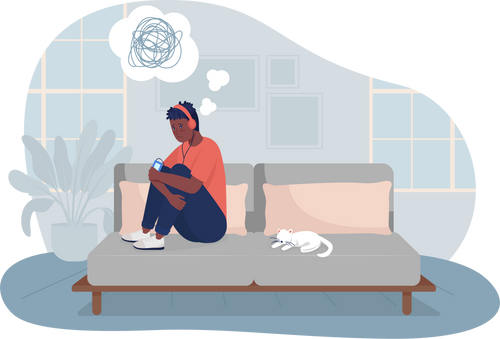
Confused by his words, I found myself wondering how to handle my child’s fondness for computer games. In this digital age, where technology permeates every aspect of our lives, parents have become increasingly concerned about the growing prominence of video games.

Understanding the Fascination:

To comprehend our children’s fascination with gaming, we must acknowledge that it is akin to television for our generation. Just as we spent hours engrossed in our favorite shows, our children seek enjoyment, social interaction, and a sense of achievement through gaming.

The Social Aspect of Gaming:

Gaming serves as a way for our children to socialize, much like television did for us. I remember those days when my parents would put us to bed at 7:30 p.m., and we would put our ears to the wall to listen to what our neighbours were watching. When I went to school, I often felt left out of conversations when my classmates talked about an adult or a child TV series. Watching television became a way of socialization. Similarly, gaming serves as a way of socializing for our kids as well.

Navigating Changes:

I believed in limiting my children’s gaming time, allowing only 30 minutes a day. It worked. None of my 5 kids were addicted to gaming. However, the pandemic shifted our circumstances. Sunshine Boy needed to use the computer for programming classes and was confined indoors, leading him to engage more with gaming.

A Surprising Journey:

Fast forward two years, and Sunshine Boy has become one of the top four gamers in the nation for one game. Over time, he has excelled in various games. While I celebrate every of my children’s accomplishment whether or not they align with my values, his current situation presents both positives and negatives.

Balancing Perspectives:

At 23, Sunshine Boy holds a well-paying job as a programmer and plays an essential role in supporting our family by paying rent and utility bills. He diligently fulfills his responsibilities at work.
Surprisingly, despite possessing a genius-level IQ of 153, he lacks ambition to climb the corporate ladder or pursue high-flying career prospects. Sunshine Boy finds contentment in his current simple job and prioritizes his passion for gaming over career aspirations. Instead of focusing on his career advancement opportunities, his thoughts revolve around his beloved games.
During the weekdays, Sunshine Boy completes his work, has dinner, and purchases a bag of donuts for his sisters before indulging in his gaming sessions. On weekends, he socializes with his gaming friends and spends time with his girlfriend. A few times a year, he volunteers to organize gaming sessions for others. While he is recognized as a top player, he maintains a small circle of acquaintances. However, he expressed his intention to be friendly towards everyone he encounters.

Finding Balance and Addressing Concerns:

While it is natural for parents to worry about excessive screen time and its impact on their children’s well-being, it is essential to approach the situation with a balanced perspective. Rather than demonizing gaming, setting reasonable boundaries and encouraging a healthy balance between gaming and other activities is more constructive.

Navigating Challenges:

We must acknowledge that completely removing computer games from the next generation is unlikely. Whether gaming is harmful or not depends on how our children handle it. However, if gaming begins to negatively affect their lives—such as swearing, intruding on family members, or compromising school or work performance—remedial action must be taken.

Nurturing Development:

I think there are ways to incorporate gaming into our families, by finding the right balance between communication and setting boundaries is crucial when it comes to our children’s gaming habits. We must avoid cutting off communication or being overly indulgent, which can lead to gaming addiction.
Open dialogue and genuine interest in their gaming experiences foster a deeper connection. Setting clear limits and rules encourages self-discipline and a well-rounded lifestyle. Watch for signs of addiction to intervene promptly.
Striking this balance guides our children towards responsible gaming while nurturing their overall well-being.

Conclusion:

Parenting gaming children is still quite new, but while we strive to learn more, we are seeing the next generation of parents who are gamers themselves. This sets another level of complication between parents and their gaming children.
These gaming parents bring firsthand experience and knowledge to the table, allowing them to navigate the challenges and opportunities of gaming with a unique yet different perspective.
This opens up a new realm of parenting dynamics and possibilities, shaping a generation of gamers-turned-parents.
Are you a gamer-parent or parent to a gamer? What challenges are you facing?

[/vc_column_text][/vc_column][/vc_row]

Teaching Kids to Handle Toxic Relationships: Navigating Complex Interactions

[vc_row type=”in_container” full_screen_row_position=”middle” column_margin=”default” column_direction=”default” column_direction_tablet=”default” column_direction_phone=”default” scene_position=”center” text_color=”dark” text_align=”left” row_border_radius=”none” row_border_radius_applies=”bg” overlay_strength=”0.3″ gradient_direction=”left_to_right” shape_divider_position=”bottom” bg_image_animation=”none”][vc_column column_padding=”no-extra-padding” column_padding_tablet=”inherit” column_padding_phone=”inherit” column_padding_position=”all” background_color_opacity=”1″ background_hover_color_opacity=”1″ column_shadow=”none” column_border_radius=”none” column_link_target=”_self” gradient_direction=”left_to_right” overlay_strength=”0.3″ width=”1/1″ tablet_width_inherit=”default” tablet_text_alignment=”default” phone_text_alignment=”default” column_border_width=”none” column_border_style=”solid” bg_image_animation=”none”][vc_column_text]

Uncovering the Truth

She discovered a bank statement showing a $40,000 personal loan in her name that she never took. Puzzled, she decided to call the bank. That’s when her husband confessed to stealing her NRIC and pay slip to secure the loan without her knowledge. The truth was even darker.

A Frugal Life

Together with her husband, they saved every cent, believing they were poorer than they actually were. They lived in a landed property, while their seemingly richer friends lived in government flats. She thought her husband was prudent with money, and they focused on providing values rather than wealth to their children.

The Charming, Yet Manipulative Husband

Her husband was successful in his career, genuinely nice at least on the surface, and even charming at times. However, she eventually realized an underlying pattern of self-absorption. He couldn’t empathize or understand others’ thoughts.

Throughout their marriage, her husband claimed he would support her in anything but often disparaged her, eroding her self-esteem. He criticized her looks, abilities, and personality, making her feel inadequate and unworthy. Despite his seemingly nice and charming demeanor, his words left lasting damage on her self-worth.

A Fighter’s Spirit

Looking back, she sees herself as a fighter, much like how she grew up poor in Singapore during the 1970s/80s. She is resilient, hardworking, and tenacious. But she constantly doubts her worth and fears her husband’s hidden secrets.

The Shocking Truth

After 30 years, the truth emerged. Her husband didn’t take the loan himself; he gave her ID and pay slip to his friend to borrow money in her name for gambling debts. She worried about how many other banks her ID deceived and why her husband didn’t consider her welfare.

Familiarity with Mistreatment

She persevered for three more decades because she was used to mistreatment since childhood. Are you inadvertently teaching your child to accept mistreatment?

Empowering Our Children

We want our children to recognize genuine love and care and build nurturing relationships. If they face mistreatment, we must teach them assertiveness, emotional intelligence, critical thinking, self-awareness, and resilience.

Reserving Love and Care

Teach your children to reserve forgiveness, patience, love, and care for those who deserve it. By doing this, they will handle challenging personalities better and thrive in a world where manipulative individuals might be lurking.

Nurturing Emotionally

Are you too busy focusing on your child’s academic or sporting results to nurture them emotionally?

[/vc_column_text][/vc_column][/vc_row]

The Middle Child

[vc_row type=”in_container” full_screen_row_position=”middle” column_margin=”default” column_direction=”default” column_direction_tablet=”default” column_direction_phone=”default” scene_position=”center” text_color=”dark” text_align=”left” row_border_radius=”none” row_border_radius_applies=”bg” overlay_strength=”0.3″ gradient_direction=”left_to_right” shape_divider_position=”bottom” bg_image_animation=”none”][vc_column column_padding=”no-extra-padding” column_padding_tablet=”inherit” column_padding_phone=”inherit” column_padding_position=”all” background_color_opacity=”1″ background_hover_color_opacity=”1″ column_shadow=”none” column_border_radius=”none” column_link_target=”_self” gradient_direction=”left_to_right” overlay_strength=”0.3″ width=”1/1″ tablet_width_inherit=”default” tablet_text_alignment=”default” phone_text_alignment=”default” column_border_width=”none” column_border_style=”solid” bg_image_animation=”none”][vc_column_text]The middle child. Who are they?

He appeared out of nowhere in the nature reserve with tears in his eyes. I thought this four-year-old was lost, but before I could approach him, his face lit up with a happy smile the moment his family appeared. I was shocked how fast his emotions changed.

His older brother was having his father’s attention as they explored the different plants and animals in the nature reserve. His mother was holding his younger sibling, and her hands were full with all the baby stuff.

I understood immediately. Like me, he is the middle child.

My parents, like most parents trying to survive in a third world country, were so busy making ends meet and put food on the table that they had no time to do the parenting thing.

My memory of my parents were them using the cane liberally and I believed it was their way of expressing concerns because they cared for us deeply.

Although I was shocked when my mother told me in my 40s that I was the only one she caned. I remember how embarrassed I was when my friends stared at the cane lines all over my legs when I was already 18.

I consider myself fortunate when my parents registered me into a public school at seven as I ended up having a good education. I think it was also a privilege to be able to tag along my siblings when they went for swimming classes.

My parents worked really hard, waking up at 3 a.m. each morning to slaughter chickens to sell in the market. I learned and became a really hardworking person myself because of their examples.

When I became a mother, they reminded me to be a good one and my mother would help by cooking a meal or two for my children when she stayed over during weekends.

I have never thought that being a middle kid was rough, until I have raised my own children or when I see other people passing over their middle kids. I am so used to people forgetting about me that it has become strange when they don’t.

Things got more exaggerated in my family because my oldest brother was still-born, so when my sister arrived, my parents were so happy their had a child at last! When my brother was born after me, they were elated to have son!

However, when I was born, my mother was ridiculed. Firstly, who wants a child looking like Mystique.  The doctors told my mother that this blue baby was not going to survive and they set me aside, presumably thinking I wouldn’t survive.

My paternal grandmother rushed to Singapore excitedly to see me, and imagine the shock she had when she saw how ugly I was. Even my docile grandmother couldn’t resist telling my mother I was so ugly.

As a kid, my siblings were fat and cute, like what babies should be, but I was ugly and thin. Ah. Here’s the thing. Because of that, my mother breastfed me twice as long as she did my siblings. I had eight months of great nutrition!

Because of that and definitely other reasons, I quickly become really healthy. And before I knew it, I was that good-looking slim and intelligent girl.

By the time I was about to start school, I was told that writing or stirring a pot with my left hand makes me a witch, so my sister insisted that I switched to using my right hand, while my brother stayed left-handed all of his life. I was confused forever if I were left or right-handed. Because of that, I became ambidextrous, I can play games to national levels, write and use chopsticks equally well with both hands.

One time, my father was giving out pocket money. My sister went before me and was brandishing her $50 note. When it was my turn, my dad dug into the deepest of his pocket and found a $2 note. Even at eleven, I understood that the world is not fair, and that I have to work very hard if I wanted anything. To this day, I ensure I work harder than any of my peers in anything I choose to do.

Even though my academic results were far better than my older sibling, my father made it clear he would not put me through the university. When my family celebrated my sister’s graduation from the university, my father decided not to fund our studies any longer. That started my journey of putting myself through the university. I slept in my tutee’s toilet, became a lifeguard, and sold mooncakes to earn enough for my tuition fees. Those were the years I learned so many skills that last me to this day.

While both my siblings expected my parents to pay for their first vehicles and first homes, I did not think I was entitled to those things. Instead, I worked like crazy to attain those little luxuries in my life. I understood that I could only dream to own things I can afford.

Now that my father has passed on for more than 25 years and my mother is confused if her own mother is alive, I have my birth order to thank for who I am today.

People assume that I am so resilient, possess so many skills and have so many resources because I was born lucky or born rich. The truth is, had I been from a rich family or from a more developed country at the time I was born or been a favored child, I’d probably be a weaker person. A person with less skills, who is less resilient and less capable.

The middle child in my own family feels loved above all else. Maybe it is because I have five kids instead of three. Maybe it is because we happen to find the right formula to not make her feel left out. Maybe she is not the forgotten one.

I believe all of us as parents must have unintentionally forgotten a child, whether they are in the middle or not. Perhaps their siblings need a bit more attention. Perhaps you have too many other things to handle and juggle.

Looking at that little boy from the nature reserve, I know that there are still children who are forgotten. From experience I know that a forgotten child will always turn out to be great, as long as they refuse to be jaded or bitter. In fact, if you look carefully, that forgotten child will often be the one who loves you the most in the end.

If you are a forgotten child, just be a little braver and brace for an unconventional future. If you realize you have forgotten a child, give them a little hug, and set aside some time each week just for them, because that little attention will come back to you in many, many folds. I guarantee.

To subscribe our newsletter on education and parenthood, please go to here.[/vc_column_text][/vc_column][/vc_row]

How to motivate your child

[vc_row type=”in_container” full_screen_row_position=”middle” column_margin=”default” column_direction=”default” column_direction_tablet=”default” column_direction_phone=”default” scene_position=”center” text_color=”dark” text_align=”left” row_border_radius=”none” row_border_radius_applies=”bg” overlay_strength=”0.3″ gradient_direction=”left_to_right” shape_divider_position=”bottom” bg_image_animation=”none”][vc_column column_padding=”no-extra-padding” column_padding_tablet=”inherit” column_padding_phone=”inherit” column_padding_position=”all” background_color_opacity=”1″ background_hover_color_opacity=”1″ column_shadow=”none” column_border_radius=”none” column_link_target=”_self” gradient_direction=”left_to_right” overlay_strength=”0.3″ width=”1/1″ tablet_width_inherit=”default” tablet_text_alignment=”default” phone_text_alignment=”default” column_border_width=”none” column_border_style=”solid” bg_image_animation=”none”][vc_column_text]”Erm, Pam, how do you motivate your children?” At almost every parent seminar, someone will ask me this question and I am always stuck, because I’ve never had to motivate my children to do anything.

Most recently, a Straits Times journalist asked me that question again but in a different way. She asked me how do I help parents who face unmotivated children.

O… it is a problem, huh?

Then, why do parents and educators choose to demotivate their children and students in the first place.

Don’t believe me? Do this.

Experiment Yourself

Observe the faces of the children starting school on their first day: the primary/grade/year 1 students. Almost always, they will be filled with excitement and wonder, although some will be terrified. But none unmotivated.

Do the same again six months later. You will be lucky to find half of them still as enthusiastic.

How do six-year-old children get unmotivated in six months? The school has a fantastic way of taking away that passion in the kid through the way it is run, the way educators are trained and the way we teach.

Reduce Demotivation

Rather than trying to motivate your kids, I suggest a two-step method: first, you remove things that demotivate, and then, you find ways to inspire!

Motivation requires a push factor, while inspiration is from within. If you can inspire your students, then you will never ever have to motivate them again. This is simply because their motivation then comes from within themselves.

There are many ways to not demotivate your child. I will give an example here (and if you want to know more, please either attend my seminar or PM me). First, do not penalize a child for doing well. Yes, we do that all the time.

Set a firm target and don’t back out! If you tell a child to finish ten questions and they do so in 5 minutes, don’t be tempted to add another five more since he is doing well. To shoot a moving target is extremely difficult and the next time, they will either slow down so that you won’t give them more work, or they won’t even bother to believe you. You have successfully demotivated them.

Increase Inspiration

So, when your child is doing well, do not penalize them, but do not overly reward them either. I have seen so many parents, and I have tried that myself, bribe the kids into doing well. It ALWAYS backfires, because to do well in anything must be their responsibility, and not something they should get extra remuneration for. To provide an incentive to do a duty can lead to a false sense of entitlement, and this kind of bribery can become an ongoing pattern that ultimately teaches your child to wait for an incentive before they do something for themselves.

Requiring incentive to do something is the opposite of inspiration. You want your kid to want to do something for themselves, not to do something for an incentive.

I will cover one more example of how to inspire your child tomorrow, and then all the rest on Saturday’s webinar.

For now, just remember this little formula I have created:[/vc_column_text][nectar_gradient_text heading_tag=”h2″ color=”extra-color-gradient-1″ gradient_direction=”diagonal” text=”Motivation = Inspiration – Demotivation”][vc_column_text]

Increase inspiration, decrease demotivation. I have used this little formula when working with my students, my own children and my entrepreneurial participants. We have seen tremendous success.

Really. Inspired and motivated people will change the world we live in for us. Try it and see your own miracles![/vc_column_text][/vc_column][/vc_row]

Millennial Curse

What is a millennial curse? We are always full of hope when a little one is born. Yet, we don’t need a crystal ball to know their future. It is already fixed.

In almost any country, we only really spend time with our kids the first six years of their lives. After that, it is school for the next 12 years, and then university for another four to 12 years.

By the time we leave school to start work, we are often in our twenties. Some start a new life after that while others are stuck with a student loan.

No matter. Everybody will end up working like crazy for the next 35 to 40 years to pay all sorts of loans : mortgage, auto, renovation, business, holiday, furniture, personal and credit card.

Then in our sixties and onward, we spend time looking after our health. Sadly, very few manage to deviate from this kind of life. Which to me, is a curse.

Why are we in this predicament?

Many people say that they want to be financially viable first before building a family. The rate things are going, young people will have to build their families later and later. We end up with a crazy TFR (total fertility rate). Singapore (1.26) together with some of our Asian neighbours, Taiwan (1.21), South Korea (1.33), Hong Kong (1.33) have some of the lowest TFR in the world.

It is funny, many developing countries want lower TFR and developed countries lament the same falling rate. For me, I worry whether my five children will be worked to their bones paying taxes so that their children can go to good schools and my peers can continue to enjoy free quality medical services, nice roads, good airport terminals and beautiful parks.

I muse myself with solutions for years… can we innovate around older ways of doing things instead of pushing forward with the way things are blindly? Will small changes create great impacts?

What if we reverse the order, and make building family a priority over building a career? If we build a family first with the help of our younger grandparents, the young parents can focus on their work or higher/post-graduate education. By the time the grandparents are aged, the grandchildren are already working adults. Wouldn’t that lift the pressure off the parents and the society? In their prime (thirties), they can focus on their careers as their kids are school-goers and not babies.

People often ask me what my ideal world is. Quite simply, I want to see children and students passionate about what they learn. I want to see adults having their dreams fulfilled. I want older people to feel valued by the society and their families. That’s so simple, yet so difficult.

I think we have progressed but we have been impoverished as a result. Our education has removed the individuality out of our children. Our work has taken the meaning out of everyday life in our adults. Our retirement has taken the life out of us.

Sometimes, it is a matter of rethinking the priorities, and revisiting the old. Sometimes, it is just so simple.

Babies Reading


When he found out that I was going to leave the university, the Interim Dean of SMU’s school of business told me he had an important task for me to do.

“Do something about it, Pam, so that our children don’t have to waste their lives in tuition centers, so that our parents don’t have to spend all those money on tuition.”

As university lecturers, we are concerned about students who come to us “overtuitioned”. And while they do produce sterling ‘A’ levels and IB results, they don’t necessary make the best university students.

Since I had my own children to mind after I left the university as a lecturer, I could not work full-time. I decided to put up seminars to train parents to teach their own kids so that they don’t have to outsource their kids to other people. I wanted children to spend time with parents.

So I crafted some seminars (many of which I have retired now), one of which is the “How to teach your baby how to read”.

Fortunately, every parent who attended and who bothered to spend five minutes a day with their kids managed to get them reading in three months. Many have written to me to tell me how miraculous it is.

But it is really not a miracle.

You see, like every first-time parent, I wanted to raise Oldest Boy well but I didn’t know how. In a time when there was no social media and websites were hardly heard of, I scoured the bookstores for information on how to raise my kids well. I bought every single book.

From these books, I learned how to teach my son how to read, how to be physically excellent, how to play, how to prepare him for academic pursuits, how to ride a bike etc etc etc.

When accompanying my husband on one of his business trips to the US, I visited a well-known child brain development professor who taught me how to teach babies to read and explained to me why it is important. Old Boy was only three months old, then. Impressed and convinced, I thought of starting a center to teach babies how to read when I returned to Asia but my career got in the way.

That was 26 years ago.

Now, after working with thousands of parents, I know for a fact that if we want our children to read well, we have to teach them ourselves. The reasons are: a. it saves you thousands and thousands. b. it gives you back the time with the child. c. the child will love to read for the rest of his life d. you will learn a whole lot about motivating your child, his learning style and his passion.

So instead of a center for teaching children to read (of which I can earn a lot more), I decided to teach parents in one day how to teach their babies. I have distilled down what the child brain guru taught me into a seminar and taught it many times. Parents from as far as China and the Middle East, Hong Kong, and South east Asia traveled to learn from me.

Actually, it is not about teaching a child to read. It is about how to teach the love for books. Once you have achieved that, you will open up a world of imagination for them and help them with their creativity. I also explained why activating creativity is the highest level of learning to achieve in the academia.

Over the years, people ask how a child with dyslexia could learn to read using the same method. The key is to teach them before they are diagnosed. People ask how me how to motivate a child. The key is to have him so interested, you don’t have to motivate him.

Once a child can read, they can read everything and become really knowledgeable. Many of my old participants have come forward to tell me how their kids have made it to gifted programs, become early entrants to universities etc etc. Although I am not surprised, I become a little concerned as well.

I realized, while I taught the parents how to teach small children to love to read, I had not taught them how to satiate that thirst, how to avoid the good and bad consequences (e.g. eyesight, attention in class) of loving to read, and how to work on motivation in other areas.

We have also found that there is a vast difference in engagement in a child who reads young. A child who reads younger has a different level of engagement from a child who reads even a year or two older. This engagement cannot be taught.

This is why I now have a two-day session on how to teach your child to read. While I am confident I can teach the parents how in just a day, I needed another session to address longer term academic issues.

If you are interested to know how to help your child enjoy his academic pursuit, if you want to know how to motivate them forever, please attend my November seminar. If you cannot afford it, please PM me for a scholarship. If your family is struggling financially, this is even more important because I hope that your child will never have to attend tuition once they have a great foundation, of which I am confident I can help you build as long as you are committed.

Brighten the Corner where you are

[vc_row type=”in_container” full_screen_row_position=”middle” column_margin=”default” column_direction=”default” column_direction_tablet=”default” column_direction_phone=”default” scene_position=”center” text_color=”dark” text_align=”left” row_border_radius=”none” row_border_radius_applies=”bg” overlay_strength=”0.3″ gradient_direction=”left_to_right” shape_divider_position=”bottom” bg_image_animation=”none”][vc_column column_padding=”no-extra-padding” column_padding_tablet=”inherit” column_padding_phone=”inherit” column_padding_position=”all” background_color_opacity=”1″ background_hover_color_opacity=”1″ column_shadow=”none” column_border_radius=”none” column_link_target=”_self” gradient_direction=”left_to_right” overlay_strength=”0.3″ width=”1/1″ tablet_width_inherit=”default” tablet_text_alignment=”default” phone_text_alignment=”default” column_border_width=”none” column_border_style=”solid” bg_image_animation=”none”][vc_column_text]Summer is over for us, and as I leave Singapore once more to return only in the winter months, a new season has begun. Through the years, I found that I have to first be where I am needed by my family and then find a career or my calling in whatever situation I find myself in. Life for me as a mother is about brightening the corner where I have to be.

[/vc_column_text][nectar_btn size=”large” open_new_tab=”true” button_style=”regular” button_color_2=”Accent-Color” icon_family=”none” text=”An inspiring story and song from Ina D. Og­don ” url=”https://cyberhymnal.org/htm/b/r/brighten.htm”][vc_column_text]This time round, it means to take a long leave from my job. In preparation, I have already rounded meaningful projects I would like to work on for the next few months, i.e. to create courses and build a small company that will create value for others.

Just like many of my graduate girlfriends, I had high hopes for my career when I went to the university. In those days, only the top 5% were graduates, and I was a post graduate. I thought I would have a really great career. I did, but in an unexpected way.

Over the years, I saw many of my really smart, respectable friends give up their careers to look after their families.  Some were partners in law firms, some gave up their practice as doctors or sold their businesses, other good honors graduates quit their engineering, accounting and HR jobs for a higher calling to be mothers.

I am one of the fortunate ones who manages to marry full-time work with a big family, and the only way I could do it was to be flexible and do whatever small things I could in whatever situation I find myself in.

As my older daughter graduates and as my son faces challenges in his new phase of life, I found it necessary to spend more time to transformed myself into a career counselor and coach.  Once more, I leave my own career comfort zone to find my own value add in the wilderness.

I look forward to more exciting journeys with the children, and continue to seek out good prospects wherever I may have to go to support them.  Life as a mother is exciting that way, I have never placed my career a priority, yet even so, I have been blessed with exciting career choices.

And one more time, I know not what the outcome will be, just that it will be good. I will continue to brighten the corner where I am.

The Gift of Education > Asian or Western[/vc_column_text][/vc_column][/vc_row]

Parents Matter in Education

[vc_row type=”in_container” full_screen_row_position=”middle” column_margin=”default” column_direction=”default” column_direction_tablet=”default” column_direction_phone=”default” scene_position=”center” text_color=”dark” text_align=”left” row_border_radius=”none” row_border_radius_applies=”bg” overlay_strength=”0.3″ gradient_direction=”left_to_right” shape_divider_position=”bottom” bg_image_animation=”none”][vc_column column_padding=”no-extra-padding” column_padding_tablet=”inherit” column_padding_phone=”inherit” column_padding_position=”all” background_color_opacity=”1″ background_hover_color_opacity=”1″ column_shadow=”none” column_border_radius=”none” column_link_target=”_self” gradient_direction=”left_to_right” overlay_strength=”0.3″ width=”1/1″ tablet_width_inherit=”default” tablet_text_alignment=”default” phone_text_alignment=”default” column_border_width=”none” column_border_style=”solid” bg_image_animation=”none”][vc_column_text]Psychologists of all persuasions, believe the parents were responsible, one way or the other, for whatever went wrong with a child.  They were exceptionally harsh with the mother.  Yet, the success of a child’s education is often attributed to the education system and not the parent.  I agree with Nobel-winning economist James Heckman that parents are vital in the whole education ecosystem.

I propose a few areas that parents must look into to support the academic needs of the children:

  • Building cognitive and non-cognitive skills at early childhood
  • Providing a secure environment at home
  • Instilling the passion for learning
  • Inculcating good study habits
  • Imparting appropriate social and behavioral skills
  • Supporting creativity and individual intelligence

Building Cognitive and Non-cognitive Skills at Early Childhood

In 2006, James Heckman introduced a new level of analysis into the importance of family in mediating the cognitive (intellectual) and non-cognitive (socio-emotional) skills development of children in the early years. In particular, Heckman shows how this distinction has become increasingly important in light of interventions exploring how children can successfully overcome disadvantage in a sustainable manner.

During a child’s early years, it is crucial to work on both the cognitive and non-cognitive skills.

Cognitive or Thinking Skills

Cognitive skills are critical for learning.  These skills are often measured in IQ tests. They involve:

  • Attention Skills: The attention skills of our brain allow us to focus on one part of what is going on around us while at the same time ignoring, to some degree, other things that are going on at the same time. Attention skills are necessary for us to be able to take information from our senses (like seeing and hearing) and transfer it into our brain for use in thinking, learning, problem solving and memory.
  • Memory: The ability to store and recall information.  In psychology, it is often broken down to sensory memory, short term (or working) memory and long term memory.
  • Logic and Reasoning: These skills are vital especially for studying mathematics and abstract reasoning.  It involves the ability to reason, form concepts, and solve problems using unfamiliar information or novel procedures. Problem-solving ability to draw conclusions and come up with solutions by analyzing the relationships between given conditions.
  • Auditory Processing: Auditory processing is the brain’s ability to accurately perceive speech in both quiet and noisy settings.  The brain can detect, analyze and discriminate small differences in pitch, loudness and duration.  Auditory processing skill is crucial for reading and spelling. Weakness in any of the auditory processing skills will greatly hinder learning to read, reading fluency, and comprehension.
  • Visual Processing: Visual processing is the ability that allows processing and interpreting from the visual information.  Visual perception plays an important role in spelling, mathematics, and reading.  A deficit may lead to difficulties in learning, recognizing, and remembering letters and words, learning basic mathematical concepts of size, magnitude, and position, confusing likeness and minor differences, mistaking words with similar beginnings, distinguishing the main idea from insignificant details, and poor handwriting.
  • Processing Speed: Processing Speed is one of the measures of cognitive efficiency or cognitive proficiency.  It involves the ability to automatically and fluently perform relatively easy or over-learned cognitive tasks, especially when high mental efficiency is required.  It relates to the ability to process information automatically and therefore speedily, without intentional thinking through. Very often, slow processing is one root of ADHD-type behaviors. Symptoms of weaknesses here include homework taking a long time, always being the last one to get his or her shoes on, or being slow at completing even simple tasks.

Non-cognitive Skills

Non-cognitive skills are mental constructs that are believed to contribute to academic success, but do not contribute directly to academic outcomes (like cognitive skills).

They include motivation, grit, self-regulation, social skills and personality factors.

While it is believed that cognitive abilities are set by 8, non-cognitive abilities continue to grow into adolescence.  Prof Heckman’s studies in 2006 also shows that the academic success of students depends on their non-cognitive skills especially at higher levels.

Angela Lee Duckworth in a 2013 Ted talk believes grit is the single most important factor for academic success.[/vc_column_text][vc_column_text]

Example: Singapore Parents Supporting Cognitive Skills

Singapore students fare very well in an international studies on academic abilities.  In the Programme for International Student Assessment (PISA) 2009, conducted by Organisation for Economic Cooperation and Development (OECD),  Singapore students had the second highest proportion (12.3%) of students who are top performers in all three domains in Reading, Mathematics and Science.  Singapore’s education is an envy of many countries, and the Singaporean parents have the biggest part to play.[/vc_column_text][vc_row_inner column_margin=”default” column_direction=”default” column_direction_tablet=”default” column_direction_phone=”default” text_align=”left”][vc_column_inner column_padding=”no-extra-padding” column_padding_tablet=”inherit” column_padding_phone=”inherit” column_padding_position=”all” background_color_opacity=”1″ background_hover_color_opacity=”1″ column_shadow=”none” column_border_radius=”none” column_link_target=”_self” gradient_direction=”left_to_right” overlay_strength=”0.3″ width=”1/2″ tablet_width_inherit=”default” column_border_width=”none” column_border_style=”solid” bg_image_animation=”none”][vc_column_text]A Singaporean child can do well in any education system because there is at least one concerned parent behind him/her. It is not surprising if you look at the after-school tuition rate. An amazing 97% of Singaporean children go for tuition, higher even compared to other Asian countries like South Korea and Hong Kong with 90% each. Truly, for whatever reasons, Singaporean parents have made tuition part of the education system, and often, how well a child does is correlated to the number of tuition hours he/she receives.[/vc_column_text][/vc_column_inner][vc_column_inner column_padding=”padding-4-percent” column_padding_tablet=”inherit” column_padding_phone=”inherit” column_padding_position=”all” background_color=”#960000″ background_color_opacity=”1″ background_hover_color_opacity=”1″ font_color=”#ffffff” column_shadow=”none” column_border_radius=”none” column_link_target=”_self” gradient_direction=”left_to_right” overlay_strength=”0.3″ width=”1/2″ tablet_width_inherit=”default” column_border_width=”none” column_border_style=”solid” bg_image_animation=”none”][vc_column_text]While Singapore is an excellent example of how parents can support and propel their offspring to academic excellence, it is imperative to add that the excessive use of tuition can impair a child’s non-cognitive skill development.[/vc_column_text][/vc_column_inner][/vc_row_inner][vc_column_text]With the immense support from parents in the education process, even with one of the highest student-ratio and the smallest education budget (% of GDP) amongst the first world countries, Singapore manages to produce excellent academic results.

People often credit that to the education system, and I agree. Just that my definition of education system includes a vital group of people who would go all out to support their children academically.

These parents take leave to gear their children for PSLE, an exam all twelve-year-olds take.  They take a whole year off to watch over their kids in the ‘critical academic’ years where their children have to sit standardized exams.  They stop their children from doing their favorite sports and the arts. They would scream at the children the moment a teacher calls to complain. They will also not hesitate to personally (or employ someone to) look over their children’s shoulders to ensure homework is done.

They are a reliable source for teachers to turn to whenever their children fail to perform academically. They will find solutions. And, when all else fail, some are willing to take out a whip to discipline their children for poor performance.

Take these parents away from the education system, and I am pretty sure our children will fair pretty differently in international tests. Singapore parents are the heroes in the education system.

Having stayed in western countries, I witness the absence of such parents as they struggle to find the Asian secret to education success. Fingers point and tempers fly at the education ministers. I wonder if these people have ever looked deep within themselves to realize that if their parents won’t do their parts, their children will not strive academically no matter how good their systems are, and no matter how much the government spends.

* Statistics by Sunday Times https://goo.gl/edjkYC

**PISA assesses the extent to which 15-year-old students near the end of secondary education are able to analyse, reason and apply their knowledge and skills in unfamiliar settings so as to meet real-life challenges.

The Gift of Education > Parentsmatter[/vc_column_text][/vc_column][/vc_row]
Early Entrance Rescued my Son

[vc_row type=”in_container” full_screen_row_position=”middle” column_margin=”default” column_direction=”default” column_direction_tablet=”default” column_direction_phone=”default” scene_position=”center” text_color=”dark” text_align=”left” row_border_radius=”none” row_border_radius_applies=”bg” overlay_strength=”0.3″ gradient_direction=”left_to_right” shape_divider_position=”bottom” bg_image_animation=”none”][vc_column column_padding=”no-extra-padding” column_padding_tablet=”inherit” column_padding_phone=”inherit” column_padding_position=”all” background_color_opacity=”1″ background_hover_color_opacity=”1″ column_shadow=”none” column_border_radius=”none” column_link_target=”_self” gradient_direction=”left_to_right” overlay_strength=”0.3″ width=”1/1″ tablet_width_inherit=”default” tablet_text_alignment=”default” phone_text_alignment=”default” column_border_width=”none” column_border_style=”solid” bg_image_animation=”none”][vc_column_text]Many years ago, I knew if I did not rescue my son from the system he was in, he would drop out despite being in a top (and excellent) school, Raffles Institution. His interest in school was dying. He was not submitting his homework for any of his class, and his teachers were calling me everyday so that I would watch him do his work. Driving him to school was a chore and I was clueless as to what to do.

The resources on the Internet were not as comprehensive as they are today, people were not as open and certainly, there was no one to consult with or ask.

When he was in primary school, I told his principal that he was good at Math when he was in P4. The principal retorted that that he had another whole bunch more brilliant than my son, and was not interested in listening to what my son was doing or was capable of. I was hoping someone would guide me and help me, but such help was not to be found.

I realized at that point that educators (and they are the same in any country) may be very nice people, but nurturing talent is seldom their priority. They are more interested in raising the masses, their KPIs, and of course, their time.

They were more concerned with their school ranking and results, so if a boy missed out on his opportunities, then so be it. But “so be it” did not work for me, so I decided I had to search out a path for my child, and I kept believing that as long as I searched hard, I would find solutions.

I knew at that time that I was probably the only Singaporean seeking alternatives. In the end, my son embarked on a High School program equivalent to an A level when he was P5, all on his own. I tried to tell the principal, hoping he would lend me some support. But he again brushed it aside, saying his other children were probably better and smarter. After that second try, I decided to journey on my own.

I had second thoughts when he made it to a top secondary school. I thought that perhaps the more challenging work would help, but it didn’t. In the end, I continued to journey on my own.

Looking back, now I know that all these – the lack of support from educators, and the uninterested ministry all came into my life for a good reason. It is because of them that I became very resilient, I diligently researched institutions of interest in almost every English-speaking country, searched through all possible avenues, and spoke to thousands of people.

In the end, I chanced upon so many options and opportunities for my children. Thinking back, it is because of the lack of support, that we managed to carve out unique paths for my children, all of whom entered universities and broke records of being the youngest. A far cry from the helpless person I was a few years ago, and I know it was because I chose not to be helpless.

Some people say it is because I have very gifted children, but I say they were not even recognized or given opportunities by the system, some people say they have talents, but I’d say they were hidden. I have learned that we can achieve whatever our minds’ eyes can see if only we choose to believe.

So, I hope to encourage you all to just go for anything you want. Whether it is an Ivy League, a scholarship, an early entrant or just seeking an education for your child with a disability.

Yes, we can make silly dreams come true only if we would believe and then put that belief into action.

Thank you, my son, for making me work a little harder so that I can know the possibilities that one can achieve just if we look deeper.

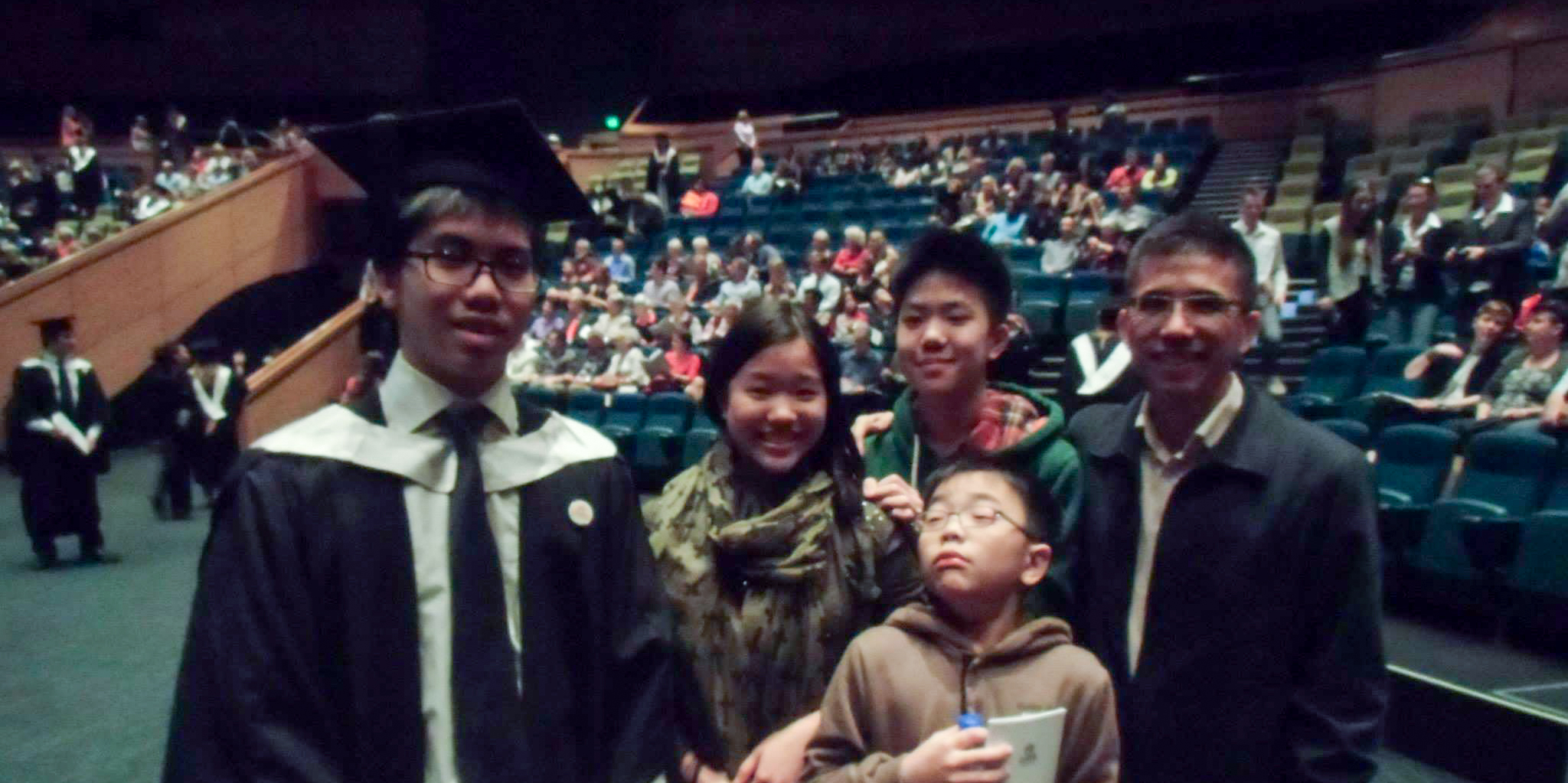
*The above is what I wrote when Old Boy graduated from the university in 2012 when he was 18. Today, besides the Youngest One who will graduate in 6 months, all my kids have finished their bachelor’s degrees and are either working or finishing their doctorate/Ph.D. As for me, I have made what I learned into a system and gotten our programs accredited so that other children like mine have a chance to achieve their potential, and other parents like me can help their kids become the best versions of themselves.[/vc_column_text][/vc_column][/vc_row]


We don’t spam! Read more in our privacy policy