Archive for the ‘All Gifted High School’ Category

PSLE Broke His Confidence. All Gifted School Rebuilt It.

Zach did not do well in his PSLE.

For many children, an exam result is just a number. For Zach, it was something that shook his belief in himself. His mother, M.K., watched the confidence drain out of him — and felt the weight of not knowing how to get it back.

“AGS was truly a saviour for my boy. Zach did not do well in his PSLE examinations, and that really knocked his confidence. He felt like he was not good enough. It was very hard to watch as a parent.”

The decision to enrol Zach in All Gifted School — alongside his local secondary school — turned out to be the turning point.

In a different system, with different expectations, something shifted. Zach started to realise that the PSLE result was not the final verdict on what he could do.

“As he started doing well in the AGS system, he began to realise that he was capable — that he could succeed in a different environment. That made all the difference. His self-confidence came back, and I could see the change in him day by day.”

He is now close to completing his All Gifted School graduation requirements — and looking ahead to Australian universities.

“He is now almost done with his AGS graduation requirements and is looking forward to applying to a couple of Australian universities. What a journey it has been. I am so happy and proud to see the transformation in Zach, and I am deeply grateful to everyone at AGS who believed in him.”

— M.K., Parent of Zach, Singapore

I Get to Study What the Big Kids Study. That Makes Me Really Proud.

Pia R. is still in primary school. She is also studying subjects that most students her age won’t see for years.

“I am so happy my dad asked me to take some courses with All Gifted School! I am still in primary school but I love learning new things. At AGS, I get to study subjects that are for older kids, and that makes me really proud of myself.”

Her teachers at All Gifted School understand that Pia has her own school too. They never pressure her to rush.

“My teachers are very nice. When I am busy with my school at home, they let me do my AGS work later. I never feel stressed. I just feel excited that I can do things most kids my age cannot do yet!”

All Gifted School was founded on the belief that all children are differently gifted — and that education’s job is to bring every child’s potential to its fullest. Pia is exactly why we exist.

— Pia R., Student (Primary School), India

She Left Singapore’s Top School and Got Offers From Four Universities.

J.G. came from one of Singapore’s top girls’ schools. By any external measure, she was exactly where she was supposed to be.

But the environment was not one she thrived in.

“My parents heard about All Gifted School through a friend’s recommendation and, I will be honest — I was sceptical at first. An online school? I was not sure what to expect.”

She gave it a real chance. And by the time she graduated, she had not just adapted — she had come to genuinely value what AGS gave her.

“The AGS system quietly but firmly pushed me to grow up and develop the kind of independent self-learning skills that I know will serve me for life.”

The results spoke for themselves.

“My US diploma opened doors I did not expect: I received offers from four universities in Singapore and one in Australia. I am thrilled with those outcomes, and I am grateful that All Gifted School believed in a different way of doing education.”

J.G.’s story is one we hear often at All Gifted School. Students who were doing adequately — but not yet becoming who they were meant to be. The right environment changes everything.

— J.G., Graduate, Singapore

The International School Was Good. It Just Was Not Right for Me.

N.M. was not struggling at her international school in Phuket. By most measures, she was doing fine.

But fine is not the same as flourishing.

“I used to attend an international school in Phuket, which was a perfectly good school — but it simply was not the right fit for me.”

Her mum discovered All Gifted School. N.M. was sceptical. An online school? She did not know what to expect.

She gave it a chance anyway.

“Looking back, joining AGS is one of the best decisions I have ever made. The teaching style and the way assignments are structured suit me perfectly. There is genuine learning without the suffocating stress that comes with a traditional school environment.”

The weekly 1-1 Zoom sessions with her mentor became something she genuinely looked forward to.

“My weekly Zoom session with my mentor is something I genuinely look forward to — it feels relaxed and even fun. Mr. Paul is like a grandfather figure: kind, patient, and incredibly easy to open up to.”

AGS also gave her something conventional school rarely allows: time.

“AGS has also given me the gift of time. I have space to pursue my own gigs and personal projects outside of school, which matters a lot to me.”

When it came to applying for university, she had support that went beyond curriculum.

“I also want to give a special shout-out to Mr. Kang, who helped me sharpen my personal statement to a fine edge and offered invaluable guidance on university course selection. I could not have navigated that process as confidently without him.”

For N.M., All Gifted School was not a compromise. It was the right fit — the thing the international school, despite its quality, could never be.

— N.M., Student, Thailand

She Was Sick, Far From Home, and Falling Behind. Her Mentors Never Let Go.

Naomi joined All Gifted School in Grade 9.

English was not her first language. Before she could begin her level courses, she completed the full English programme from Grade 6 to Grade 8. It was the foundation she needed — and it worked. By the time she entered Grade 9, she felt ready.

But she was carrying a double load. While studying with AGS, she was also preparing for Cambodia’s National High School Examination. Two programmes. Two languages. One student.

“At the start, because English is not my first language, I had to take English courses from Grade 6 to Grade 8 first. This helped me a lot. My English got much better and I felt ready for my Grade 9 classes. At the same time, I was also preparing for my National High School Exam in Cambodia. It was not easy to do both together.”

Then she got sick.

Not mildly unwell — seriously ill. She had to stop studying altogether. For a student in a conventional school, that kind of absence is often catastrophic. The class moves on. The work piles up. The gap grows impossible to close.

At All Gifted School, something different happened.

“During this time, I also got very sick and had to stop studying for a while. I was worried I would fall too far behind. But my mentors were very kind and caring, especially Mr. Paul. He always checked on me and made sure I did not feel alone.”

Mr. Paul kept in contact throughout her illness. Not to apply pressure. Not to chase assignments. Simply to make sure she knew she had not been forgotten.

When Naomi recovered, she returned to her studies. Because AGS lessons are asynchronous — available anytime, at any pace — she picked up exactly where she had left off. No catching up. No falling behind. Just continuing.

“When I got better, I was able to catch up on everything I had missed. I am very grateful to AGS for being patient with me.”

She completed her studies from Grade 9 through Grade 12. She did it in a second language, through a national examination, through a serious illness, from Cambodia.

All Gifted School was built for students like Naomi. Students the conventional system was never designed to hold.

— Naomi C., Student Grade 9–12, Cambodia

The Parental Road Less Travelled

[vc_row type=”in_container” full_screen_row_position=”middle” column_margin=”default” column_direction=”default” column_direction_tablet=”default” column_direction_phone=”default” scene_position=”center” text_color=”dark” text_align=”left” row_border_radius=”none” row_border_radius_applies=”bg” overlay_strength=”0.3″ gradient_direction=”left_to_right” shape_divider_position=”bottom” bg_image_animation=”none”][vc_column column_padding=”no-extra-padding” column_padding_tablet=”inherit” column_padding_phone=”inherit” column_padding_position=”all” background_color_opacity=”1″ background_hover_color_opacity=”1″ column_shadow=”none” column_border_radius=”none” column_link_target=”_self” gradient_direction=”left_to_right” overlay_strength=”0.3″ width=”1/1″ tablet_width_inherit=”default” tablet_text_alignment=”default” phone_text_alignment=”default” column_border_width=”none” column_border_style=”solid” bg_image_animation=”none”][vc_column_text]I feel a mix of emotions when I recall the day I decided I could not send Sunshine Boy to school anymore. Looking into the mirror, I firmly told myself, “If I don’t have a solution, then nobody will.” This moment marked a significant turning point in both our lives, symbolizing a deep sense of responsibility, determination, and the beginning of an unconventional educational journey.

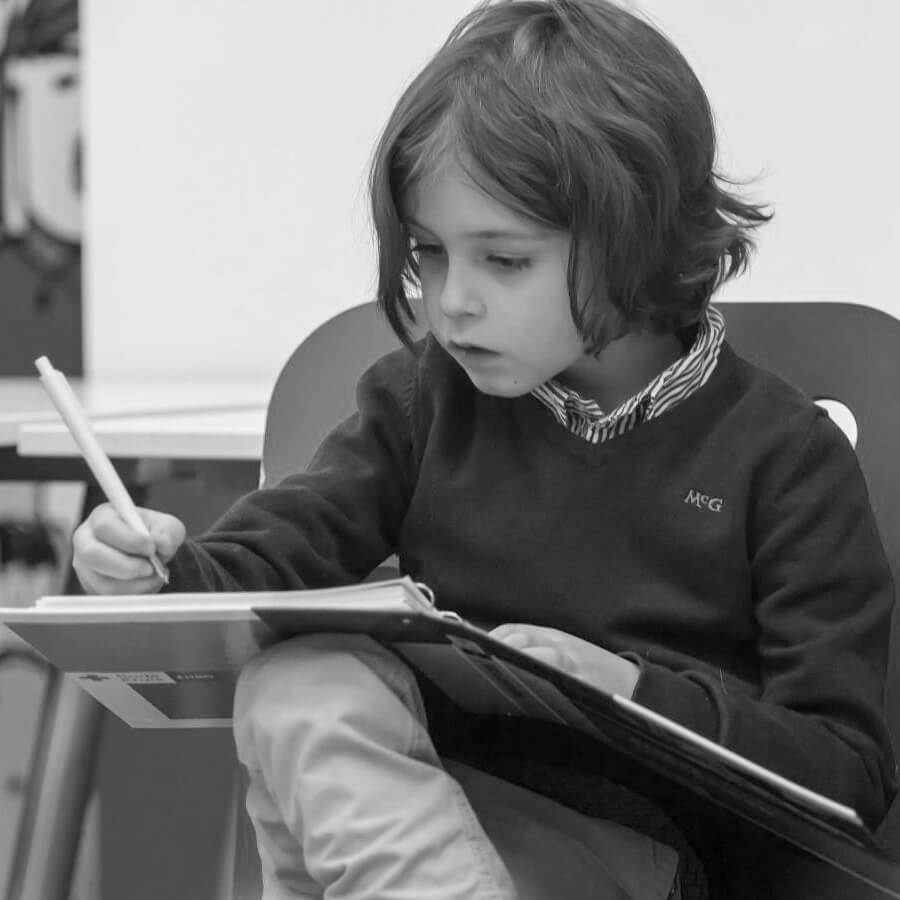
Reading about Nathaniel who graduated from ANU at 13 with a perfect score reminds me of my own journey.

I am reminded of the day when I realized that traditional schooling was no longer an option for him. Despite his intellect, the conventional education system failed to accommodate his unique needs. He had only spent 4 years in primary school, out of which two was fraught with suspensions and he was completely disengaged in P4. These culminated in a meeting with the Ministry of Education in the presence of the Director of GEP, his principal and the Education Psychologist, where it was suggested he be isolated from his peers.

Faced with limited options, I sought alternatives, but encountered roadblocks. They advised that given his learning disabilities, he should be attending therapies instead of class. Suggested schools like Pathlight was not appropriate for him according to our own psychologist. We explored the option of enrolling him in international schools, but the administrators at these schools informed us that while they had successfully obtained Ministry of Education (MOE) approval for gifted girls, their efforts to do the same for gifted boys like my son had never been fruitful. They advised us that pursuing this path might not be worthwhile, both in terms of effort and the associated administrative costs.

Determined to provide him with the education he deserved, I improvised. I crafted a makeshift uniform for him and integrated him into my daily routine at Singapore Management University where I taught. Our days began with a simple breakfast ritual at Koufu, featuring lor mai kai and milo, before diving into academic work. I prepared a syllabus for him, and he had to study on his own for three to four hours while I lectured in the university. In just six months, we covered the entire high school curriculum, enabling Sunshine Boy to apply to university at the age of 11.

His educational journey didn’t stop there. As Sunshine Boy wanted badly to go to school, I had to look for alternatives so that he could play with his age peers. While overseas, he concurrently attended primary school and university. At 15, he expressed a desire to experience high school, which we honoured, so he spent two years attending just high school with his friends and playing tennis for the school. By 17, he celebrated his graduation, marking the end of a challenging yet rewarding path.

Throughout this journey, I’ve shared our experiences on social media and encountered a variety of responses. Some offer support, others express curiosity about our unconventional approach, and many reach out for guidance, facing similar challenges with their atypical children.

To those who empathize with and recognize our struggles, I extend my deepest thanks. For the inquisitive, I wish to clarify that, if possible, I would have chosen a traditional educational route for my child. However, our unique situation required a different approach. There’s a common misconception that radical acceleration in a child’s education necessitates intense, pressured learning, or ‘hothousing.’ I disagree with this notion. If a child must be pushed to the limits to achieve rapid advancement, it contradicts the very principle of tailoring education to the child’s natural pace and abilities.

In my view, radical acceleration is not a first choice but a necessary intervention. It’s a crucial step, particularly vital for bolstering the self-esteem and self-worth of a child who may have been deemed lacking in other areas, such as social skills or physical abilities, by experts. As parents and educators, our role is to create pathways for success, adapting our strategies to meet the unique needs and talents of each child.

This is at the heart of the advice I offer to those in need of guidance: the importance of tailoring education to fit the child, rather than forcing the child to conform to the education system. It’s essential to align each child’s education with their path to success, which requires a profound understanding of their individual needs. For some, this may mean accelerating their education, while for others, a slower pace is more beneficial. Success for one child might be found on the sports field, while for another, it could be in artistic or aesthetic achievements.

Drawing from my experiences with my children, I have established a school dedicated to nurturing children with exceptional capabilities. We have encountered a diverse array of children, each with their unique gifts, challenges, and issues. Like Nathaniel, many have flourished in their own unique ways and on their own terms. So I know that, no matter what you are facing, there are solutions.

Most importantly, no matter the opinions of experts regarding a child’s abilities or limitations, the ultimate responsibility for a child’s education rests with the parents. This duty involves adapting to their distinctive needs and ensuring the preservation of their self-worth and esteem. It’s crucial to remember that every child’s educational path is distinct, and sometimes, opting for a less traditional route can lead to the most gratifying achievements.[/vc_column_text][/vc_column][/vc_row]

Gaming

[vc_row type=”in_container” full_screen_row_position=”middle” column_margin=”default” column_direction=”default” column_direction_tablet=”default” column_direction_phone=”default” scene_position=”center” text_color=”dark” text_align=”left” row_border_radius=”none” row_border_radius_applies=”bg” overlay_strength=”0.3″ gradient_direction=”left_to_right” shape_divider_position=”bottom” bg_image_animation=”none”][vc_column column_padding=”no-extra-padding” column_padding_tablet=”inherit” column_padding_phone=”inherit” column_padding_position=”all” background_color_opacity=”1″ background_hover_color_opacity=”1″ column_shadow=”none” column_border_radius=”none” column_link_target=”_self” gradient_direction=”left_to_right” overlay_strength=”0.3″ width=”1/1″ tablet_width_inherit=”default” tablet_text_alignment=”default” phone_text_alignment=”default” column_border_width=”none” column_border_style=”solid” bg_image_animation=”none”][vc_column_text]

“Mom, can you drive me to Woodleigh MRT station later? I have to collect this set from my friend. I am representing Singapore in eSport tonight,” said Sunshine Boy.
Confused by his words, I found myself wondering how to handle my child’s fondness for computer games. In this digital age, where technology permeates every aspect of our lives, parents have become increasingly concerned about the growing prominence of video games.

Understanding the Fascination:

To comprehend our children’s fascination with gaming, we must acknowledge that it is akin to television for our generation. Just as we spent hours engrossed in our favorite shows, our children seek enjoyment, social interaction, and a sense of achievement through gaming.

The Social Aspect of Gaming:

Gaming serves as a way for our children to socialize, much like television did for us. I remember those days when my parents would put us to bed at 7:30 p.m., and we would put our ears to the wall to listen to what our neighbours were watching. When I went to school, I often felt left out of conversations when my classmates talked about an adult or a child TV series. Watching television became a way of socialization. Similarly, gaming serves as a way of socializing for our kids as well.

Navigating Changes:

I believed in limiting my children’s gaming time, allowing only 30 minutes a day. It worked. None of my 5 kids were addicted to gaming. However, the pandemic shifted our circumstances. Sunshine Boy needed to use the computer for programming classes and was confined indoors, leading him to engage more with gaming.

A Surprising Journey:

Fast forward two years, and Sunshine Boy has become one of the top four gamers in the nation for one game. Over time, he has excelled in various games. While I celebrate every of my children’s accomplishment whether or not they align with my values, his current situation presents both positives and negatives.

Balancing Perspectives:

At 23, Sunshine Boy holds a well-paying job as a programmer and plays an essential role in supporting our family by paying rent and utility bills. He diligently fulfills his responsibilities at work.
Surprisingly, despite possessing a genius-level IQ of 153, he lacks ambition to climb the corporate ladder or pursue high-flying career prospects. Sunshine Boy finds contentment in his current simple job and prioritizes his passion for gaming over career aspirations. Instead of focusing on his career advancement opportunities, his thoughts revolve around his beloved games.
During the weekdays, Sunshine Boy completes his work, has dinner, and purchases a bag of donuts for his sisters before indulging in his gaming sessions. On weekends, he socializes with his gaming friends and spends time with his girlfriend. A few times a year, he volunteers to organize gaming sessions for others. While he is recognized as a top player, he maintains a small circle of acquaintances. However, he expressed his intention to be friendly towards everyone he encounters.

Finding Balance and Addressing Concerns:

While it is natural for parents to worry about excessive screen time and its impact on their children’s well-being, it is essential to approach the situation with a balanced perspective. Rather than demonizing gaming, setting reasonable boundaries and encouraging a healthy balance between gaming and other activities is more constructive.

Navigating Challenges:

We must acknowledge that completely removing computer games from the next generation is unlikely. Whether gaming is harmful or not depends on how our children handle it. However, if gaming begins to negatively affect their lives—such as swearing, intruding on family members, or compromising school or work performance—remedial action must be taken.

Nurturing Development:

I think there are ways to incorporate gaming into our families, by finding the right balance between communication and setting boundaries is crucial when it comes to our children’s gaming habits. We must avoid cutting off communication or being overly indulgent, which can lead to gaming addiction.
Open dialogue and genuine interest in their gaming experiences foster a deeper connection. Setting clear limits and rules encourages self-discipline and a well-rounded lifestyle. Watch for signs of addiction to intervene promptly.
Striking this balance guides our children towards responsible gaming while nurturing their overall well-being.

Conclusion:

Parenting gaming children is still quite new, but while we strive to learn more, we are seeing the next generation of parents who are gamers themselves. This sets another level of complication between parents and their gaming children.
These gaming parents bring firsthand experience and knowledge to the table, allowing them to navigate the challenges and opportunities of gaming with a unique yet different perspective.
This opens up a new realm of parenting dynamics and possibilities, shaping a generation of gamers-turned-parents.
Are you a gamer-parent or parent to a gamer? What challenges are you facing?

[/vc_column_text][/vc_column][/vc_row]

Raising a Gifted Child: Challenges, Success, and Societal Expectations

[vc_row type=”in_container” full_screen_row_position=”middle” column_margin=”default” column_direction=”default” column_direction_tablet=”default” column_direction_phone=”default” scene_position=”center” text_color=”dark” text_align=”left” row_border_radius=”none” row_border_radius_applies=”bg” overlay_strength=”0.3″ gradient_direction=”left_to_right” shape_divider_position=”bottom” bg_image_animation=”none”][vc_column column_padding=”no-extra-padding” column_padding_tablet=”inherit” column_padding_phone=”inherit” column_padding_position=”all” background_color_opacity=”1″ background_hover_color_opacity=”1″ column_shadow=”none” column_border_radius=”none” column_link_target=”_self” gradient_direction=”left_to_right” overlay_strength=”0.3″ width=”1/1″ tablet_width_inherit=”default” tablet_text_alignment=”default” phone_text_alignment=”default” column_border_width=”none” column_border_style=”solid” bg_image_animation=”none”][vc_column_text]

Title: Raising a Gifted Child: Challenges, Success, and Societal Expectations

The Misconceptions of Raising a Gifted Child

As a young mother expecting my fifth child, I sought insight from an experienced colleague who had three adult children. I asked which child was the easiest to raise, and he shared that the one not labeled as gifted proved to be the easiest, despite having two gifted kids. Contrary to common belief, raising a bright child can present challenges. If we fail to guide a brilliant child effectively, it can have daunting consequences.

Navigating Parenthood for Gifted Children

As an educator, I approach offering advice to parents of prodigious children with caution. Mismanagement of a genius can burden the child. After years of being a parent and educator, I now comprehend why my mother consistently referred to me as ‘average’ even when I excelled academically. Whether she intended it or not, I grew up perceiving myself as just average.

The Pressure of Being Gifted

The pressure faced by gifted individuals is immense. People expect exceptional achievements, and any perceived failure to meet those expectations is deemed as not living up to their potential. Gifted individuals often face scrutiny when discussing their knowledge or asking questions, which can be misconstrued as arrogance. There is an expectation to pursue careers in fields like medicine or law, earn substantial incomes, and possess near-perfect qualities. All of this is expected to lead to happiness.

The Freedom of Being Average

Conversely, if one is not labeled as gifted, minor achievements that lead to academic progress are celebrated. They can express themselves freely without fear of judgment, ask any question without facing ridicule, and choose any career path without scrutiny. Even if they don’t achieve significant financial success, their efforts are still appreciated. They have the freedom to live life on their terms, enabling them to choose happiness.

Imposter Syndrome and Integration

My daughter once confided that she and her sister refrain from sharing their educational qualifications or income until they have established years-long friendships. Deliberately downplaying their knowledge and resources helps them integrate into their communities more seamlessly, possibly stemming from feelings of imposter syndrome.

The True Gift for Your Child

The greatest gift we can bestow upon our children extends beyond academic or professional success. It lies in their ability to discover their passions, the freedom to forge their unique paths, and the ease of integrating into environments they desire. Does raising a gifted child guarantee this outcome? It largely depends on how we nurture and support them. Finding the right approach remains the million-dollar question.

Embracing Individuality and Nurturing Dreams

Let us not forget that giftedness alone does not guarantee happiness or success. Every child deserves to be loved, nurtured, and encouraged to pursue their passions and dreams. As an advisor to numerous parents navigating the challenges of raising gifted children, I have witnessed firsthand the immense pressure these children face within the education system. Being gifted is not a gift in itself; if society fails to handle it correctly, it can become a burden. The constant pursuit of excellence, fear of failure, and the loss of freedom and happiness are potential consequences.

Embracing Your Child’s Unique Journey

So, do you have a gifted child? Or do you aspire to raise your child as gifted? Are you prepared to bear the intangible costs associated with it?

Conclusion

In conclusion, raising a gifted child presents its own set of challenges. It is crucial to strike a balance between nurturing their talents and allowing them the freedom to explore their own paths. Let us embrace their individuality, provide support and guidance, and prioritize their well-being and happiness above societal expectations.

[/vc_column_text][/vc_column][/vc_row]

Alternate Paths to Education

[vc_row type=”in_container” full_screen_row_position=”middle” column_margin=”default” column_direction=”default” column_direction_tablet=”default” column_direction_phone=”default” scene_position=”center” text_color=”dark” text_align=”left” row_border_radius=”none” row_border_radius_applies=”bg” overlay_strength=”0.3″ gradient_direction=”left_to_right” shape_divider_position=”bottom” bg_image_animation=”none”][vc_column column_padding=”no-extra-padding” column_padding_tablet=”inherit” column_padding_phone=”inherit” column_padding_position=”all” background_color_opacity=”1″ background_hover_color_opacity=”1″ column_shadow=”none” column_border_radius=”none” column_link_target=”_self” gradient_direction=”left_to_right” overlay_strength=”0.3″ width=”1/1″ tablet_width_inherit=”default” tablet_text_alignment=”default” phone_text_alignment=”default” column_border_width=”none” column_border_style=”solid” bg_image_animation=”none”][vc_column_text]The social media is flooded many grandiose views of the many alternate pathways to education from everywhere. Are they for real, are they just competing for airtime or are they meant for entertainment only?

Why are people debating on class size, when students cannot even attend class. Is going to university really an aspiration in the next few years, as some families struggle to put food on the table?

I watched and wondered what kind of impact these policies might have on our children. Parents must be concerned. Are things going to be just as pressurizing? More tuition? Or super relaxed?

Now that the election is over, is the show over? So, can we get back to reality? Does it mean we are just returning to the old system?

Wait.

What old system are we referring to? Are we still waiting for the coronavirus crisis to be over so that our kids can resume their usual routine of going to school and we can resume our lives? Is the old system really coming back?

Let’s get real. It is not. So is this good or bad news? Not too long ago, weren’t we complaining about how outdated the education system was? In 2007, Sir Ken Robinson asked us if schools kill creativity. His speech became the most watched Ted Talk. While the technology has been ready for a while now, educators and policy makers have been dragging their feet in implementing any groundbreaking policies. After all, why change when things are not broken.

But things are broken. The pandemic has forced us to relook at education as we have limited abilities to send our kids to sit in classrooms. On July 7, US ICE issued the policy that foreign students who can attend classes online will not be allowed to stay in America. Granted, they were forced to reverse that decision very quickly. But how long will this hold up?

Clearly, online education is here to stay, with its role getting more important. I am amazed that in this time and age, there are still people who insist that certificates or degrees earned with some online components are not as rigorous or should be less regarded than those that were done in person.

While there are some fields that can only be taught in person, those that can be taught online will be better delivered through the use of technology. In fact, many of these programs will have better instructional design, more modern and with better instructors than face-to-face instructions.

Teaching online requires some additional skill set and a different disposition from teaching in person. It also involves different issues.

These days, will we still risk to send our kids to any educational institution that does not have effective online strategies? In fact, do you think any school should exist if its online program lackluster? We know that in future, any kind of studies will have at least part of its program delivered online.

Besides having teachers trained to deliver curriculum online, a good online program should also incorporate proper planning and good instructional design. The days of pressurized teachers slapping together zoom and video classes quickly and delivering in formats they were neither familiar nor comfortable with should be over.

In fact, the new norm presents many alternatives to education. Whether our children excel in education depends on how we cut through this noise and address things that matter before they grow up.

I conducting a webinar on alternate pathways to education. We took 10 years to refine our online education programs. Our programs have helped hundreds get into the most prestigious universities in the world. Come and listen to our methodologies and witness how we have motivated them with all levels of learning abilities to achieve what they themselves didn’t believe they could.

Thousands have already changed their children’s lives through our seminars. Commit 3 hours one Saturday, and see how your kids’ education transform. Suitable for parents of kids above 10 years old, from any part of the world.[/vc_column_text][/vc_column][/vc_row]

Radical Acceleration


We don’t spam! Read more in our privacy policy