Author: Pamela

  • The Middle Child

    The Middle Child

    [vc_row type=”in_container” full_screen_row_position=”middle” column_margin=”default” column_direction=”default” column_direction_tablet=”default” column_direction_phone=”default” scene_position=”center” text_color=”dark” text_align=”left” row_border_radius=”none” row_border_radius_applies=”bg” overlay_strength=”0.3″ gradient_direction=”left_to_right” shape_divider_position=”bottom” bg_image_animation=”none”][vc_column column_padding=”no-extra-padding” column_padding_tablet=”inherit” column_padding_phone=”inherit” column_padding_position=”all” background_color_opacity=”1″ background_hover_color_opacity=”1″ column_shadow=”none” column_border_radius=”none” column_link_target=”_self” gradient_direction=”left_to_right” overlay_strength=”0.3″ width=”1/1″ tablet_width_inherit=”default” tablet_text_alignment=”default” phone_text_alignment=”default” column_border_width=”none” column_border_style=”solid” bg_image_animation=”none”][vc_column_text]The middle child. Who are they?

    He appeared out of nowhere in the nature reserve with tears in his eyes. I thought this four-year-old was lost, but before I could approach him, his face lit up with a happy smile the moment his family appeared. I was shocked how fast his emotions changed.

    His older brother was having his father’s attention as they explored the different plants and animals in the nature reserve. His mother was holding his younger sibling, and her hands were full with all the baby stuff.

    I understood immediately. Like me, he is the middle child.

    My parents, like most parents trying to survive in a third world country, were so busy making ends meet and put food on the table that they had no time to do the parenting thing.

    My memory of my parents were them using the cane liberally and I believed it was their way of expressing concerns because they cared for us deeply.

    Although I was shocked when my mother told me in my 40s that I was the only one she caned. I remember how embarrassed I was when my friends stared at the cane lines all over my legs when I was already 18.

    I consider myself fortunate when my parents registered me into a public school at seven as I ended up having a good education. I think it was also a privilege to be able to tag along my siblings when they went for swimming classes.

    My parents worked really hard, waking up at 3 a.m. each morning to slaughter chickens to sell in the market. I learned and became a really hardworking person myself because of their examples.

    When I became a mother, they reminded me to be a good one and my mother would help by cooking a meal or two for my children when she stayed over during weekends.

    I have never thought that being a middle kid was rough, until I have raised my own children or when I see other people passing over their middle kids. I am so used to people forgetting about me that it has become strange when they don’t.

    Things got more exaggerated in my family because my oldest brother was still-born, so when my sister arrived, my parents were so happy their had a child at last! When my brother was born after me, they were elated to have son!

    However, when I was born, my mother was ridiculed. Firstly, who wants a child looking like Mystique.  The doctors told my mother that this blue baby was not going to survive and they set me aside, presumably thinking I wouldn’t survive.

    My paternal grandmother rushed to Singapore excitedly to see me, and imagine the shock she had when she saw how ugly I was. Even my docile grandmother couldn’t resist telling my mother I was so ugly.

    As a kid, my siblings were fat and cute, like what babies should be, but I was ugly and thin. Ah. Here’s the thing. Because of that, my mother breastfed me twice as long as she did my siblings. I had eight months of great nutrition!

    Because of that and definitely other reasons, I quickly become really healthy. And before I knew it, I was that good-looking slim and intelligent girl.

    By the time I was about to start school, I was told that writing or stirring a pot with my left hand makes me a witch, so my sister insisted that I switched to using my right hand, while my brother stayed left-handed all of his life. I was confused forever if I were left or right-handed. Because of that, I became ambidextrous, I can play games to national levels, write and use chopsticks equally well with both hands.

    One time, my father was giving out pocket money. My sister went before me and was brandishing her $50 note. When it was my turn, my dad dug into the deepest of his pocket and found a $2 note. Even at eleven, I understood that the world is not fair, and that I have to work very hard if I wanted anything. To this day, I ensure I work harder than any of my peers in anything I choose to do.

    Even though my academic results were far better than my older sibling, my father made it clear he would not put me through the university. When my family celebrated my sister’s graduation from the university, my father decided not to fund our studies any longer. That started my journey of putting myself through the university. I slept in my tutee’s toilet, became a lifeguard, and sold mooncakes to earn enough for my tuition fees. Those were the years I learned so many skills that last me to this day.

    While both my siblings expected my parents to pay for their first vehicles and first homes, I did not think I was entitled to those things. Instead, I worked like crazy to attain those little luxuries in my life. I understood that I could only dream to own things I can afford.

    Now that my father has passed on for more than 25 years and my mother is confused if her own mother is alive, I have my birth order to thank for who I am today.

    People assume that I am so resilient, possess so many skills and have so many resources because I was born lucky or born rich. The truth is, had I been from a rich family or from a more developed country at the time I was born or been a favored child, I’d probably be a weaker person. A person with less skills, who is less resilient and less capable.

    The middle child in my own family feels loved above all else. Maybe it is because I have five kids instead of three. Maybe it is because we happen to find the right formula to not make her feel left out. Maybe she is not the forgotten one.

    I believe all of us as parents must have unintentionally forgotten a child, whether they are in the middle or not. Perhaps their siblings need a bit more attention. Perhaps you have too many other things to handle and juggle.

    Looking at that little boy from the nature reserve, I know that there are still children who are forgotten. From experience I know that a forgotten child will always turn out to be great, as long as they refuse to be jaded or bitter. In fact, if you look carefully, that forgotten child will often be the one who loves you the most in the end.

    If you are a forgotten child, just be a little braver and brace for an unconventional future. If you realize you have forgotten a child, give them a little hug, and set aside some time each week just for them, because that little attention will come back to you in many, many folds. I guarantee.

    To subscribe our newsletter on education and parenthood, please go to here.[/vc_column_text][/vc_column][/vc_row]
  • How a Diagnostic Can Change Your Child’s Education.

    How a Diagnostic Can Change Your Child’s Education.

    [vc_row type=”full_width_background” full_screen_row_position=”middle” column_margin=”default” column_direction=”default” column_direction_tablet=”default” column_direction_phone=”default” bg_color=”#f4f4f4″ scene_position=”center” top_padding=”10%” bottom_padding=”10%” text_color=”dark” text_align=”left” row_border_radius=”none” row_border_radius_applies=”bg” overlay_strength=”0.3″ gradient_direction=”left_to_right” shape_divider_position=”bottom” bg_image_animation=”none”][vc_column column_padding=”no-extra-padding” column_padding_tablet=”inherit” column_padding_phone=”inherit” column_padding_position=”all” background_color_opacity=”1″ background_hover_color_opacity=”1″ column_shadow=”none” column_border_radius=”none” column_link_target=”_self” gradient_direction=”left_to_right” overlay_strength=”0.3″ width=”5/12″ tablet_width_inherit=”default” tablet_text_alignment=”default” phone_text_alignment=”default” column_border_width=”none” column_border_style=”solid” bg_image_animation=”none” offset=”vc_col-xs-12″][vc_column_text max_width=”450″]

    Importance of Diagnostic Tests

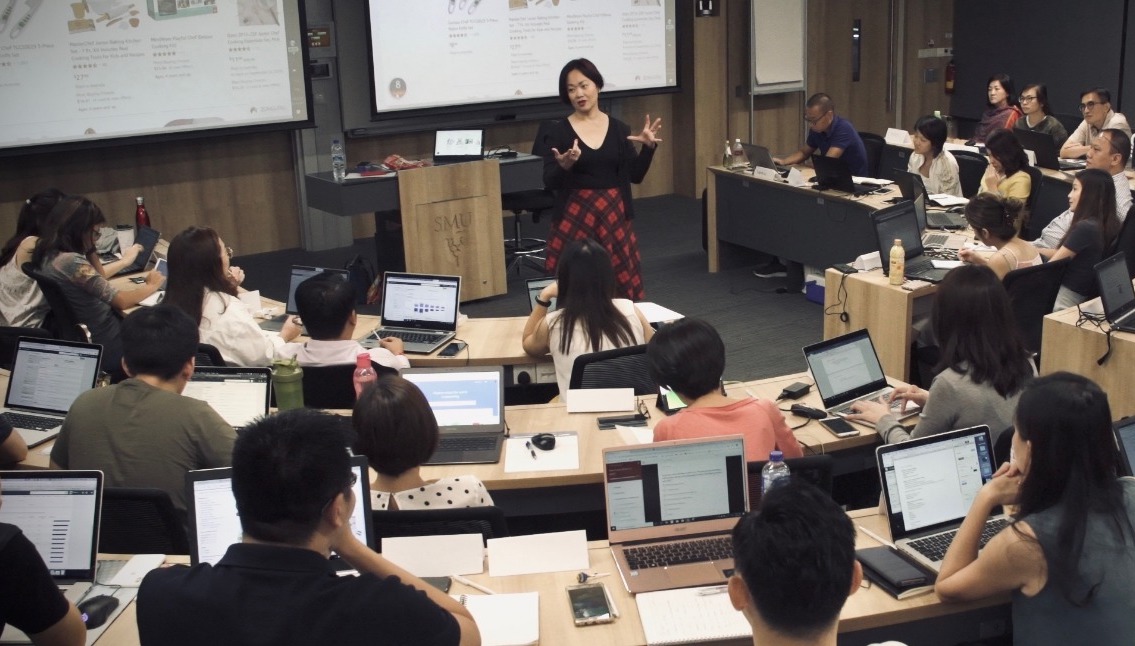
    [/vc_column_text][vc_column_text css=”.vc_custom_1600425000467{margin-top: 25px !important;padding-right: 15% !important;}” max_width=”500″]Unlike standardized testsdiagnostic tests are criterion referenced. This means that the test items and goals are determined according to a fixed set of requirements. All Gifted’s Math diagnostic test is scored on our proprietary system and measures only the student’s own performance regarding standard academic requirements.[/vc_column_text][/vc_column][vc_column column_padding=”no-extra-padding” column_padding_tablet=”inherit” column_padding_phone=”inherit” column_padding_position=”all” background_color_opacity=”1″ background_hover_color_opacity=”1″ column_shadow=”none” column_border_radius=”none” column_link_target=”_self” gradient_direction=”left_to_right” overlay_strength=”0.3″ width=”7/12″ tablet_width_inherit=”default” tablet_text_alignment=”default” phone_text_alignment=”default” column_border_width=”none” column_border_style=”solid” bg_image_animation=”none” offset=”vc_col-xs-12″][vc_row_inner equal_height=”yes” content_placement=”bottom” column_margin=”none” column_direction=”default” column_direction_tablet=”default” column_direction_phone=”default” text_align=”left”][vc_column_inner column_padding=”padding-7-percent” column_padding_tablet=”inherit” column_padding_phone=”inherit” column_padding_position=”top” background_color=”#417e94″ background_color_opacity=”1″ background_hover_color_opacity=”1″ font_color=”#ffffff” column_shadow=”none” column_border_radius=”none” column_link_target=”_self” gradient_direction=”left_to_right” overlay_strength=”0.3″ width=”1/3″ tablet_width_inherit=”default” column_border_width=”none” column_border_style=”solid” bg_image_animation=”none” enable_animation=”true” animation=”grow-in”][divider line_type=”No Line” custom_height=”85″][vc_column_text css=”.vc_custom_1600398455296{padding-right: 25px !important;padding-bottom: 25px !important;padding-left: 25px !important;}”]Identifies student’s learning problems[/vc_column_text][/vc_column_inner][vc_column_inner column_padding=”padding-7-percent” column_padding_tablet=”inherit” column_padding_phone=”inherit” column_padding_position=”top” background_color=”#960000″ background_color_opacity=”1″ background_hover_color_opacity=”1″ font_color=”#ffffff” column_shadow=”none” column_border_radius=”none” column_link_target=”_self” gradient_direction=”left_to_right” overlay_strength=”0.3″ width=”1/3″ tablet_width_inherit=”default” column_border_width=”none” column_border_style=”solid” bg_image_animation=”none” enable_animation=”true” animation=”grow-in” delay=”200″][divider line_type=”No Line” custom_height=”85″][vc_column_text css=”.vc_custom_1600398480794{padding-right: 25px !important;padding-bottom: 25px !important;padding-left: 25px !important;}”]Identifies student’s areas of giftedness[/vc_column_text][/vc_column_inner][vc_column_inner column_padding=”padding-7-percent” column_padding_tablet=”inherit” column_padding_phone=”inherit” column_padding_position=”top” background_color=”#634f4b” background_color_opacity=”1″ background_hover_color_opacity=”1″ font_color=”#ffffff” column_shadow=”none” column_border_radius=”none” column_link_target=”_self” gradient_direction=”left_to_right” overlay_strength=”0.3″ width=”1/3″ tablet_width_inherit=”default” column_border_width=”none” column_border_style=”solid” bg_image_animation=”none” enable_animation=”true” animation=”grow-in” delay=”400″][divider line_type=”No Line” custom_height=”85″][vc_column_text css=”.vc_custom_1600425016151{padding-right: 25px !important;padding-bottom: 25px !important;padding-left: 25px !important;}”]Provides avenues for individualized curriculum planning and instruction.[/vc_column_text][/vc_column_inner][/vc_row_inner][/vc_column][/vc_row][vc_row type=”in_container” full_screen_row_position=”middle” column_margin=”default” column_direction=”default” column_direction_tablet=”default” column_direction_phone=”default” scene_position=”center” text_color=”dark” text_align=”left” row_border_radius=”none” row_border_radius_applies=”bg” overlay_strength=”0.3″ gradient_direction=”left_to_right” shape_divider_position=”bottom” bg_image_animation=”none”][vc_column column_padding=”no-extra-padding” column_padding_tablet=”inherit” column_padding_phone=”inherit” column_padding_position=”all” background_color_opacity=”1″ background_hover_color_opacity=”1″ column_shadow=”none” column_border_radius=”none” column_link_target=”_self” gradient_direction=”left_to_right” overlay_strength=”0.3″ width=”1/1″ tablet_width_inherit=”default” tablet_text_alignment=”default” phone_text_alignment=”default” column_border_width=”none” column_border_style=”solid” bg_image_animation=”none”][vc_column_text]We looked into the crystal ball eight years ago for him when he was just eight at one of our labs when I was teaching in the Singapore Management University. At that point, the only information his parents could give us about him was that he had a learning disability and was dyslexic.

    Instead of more gloomy news, we had a different story to tell his mother. Our results showed him up to be gifted in Math although his had a weakness in reading. Subsequently, he was indeed tested gifted by other IQ tests that his mother brought him to.

    Eight years later, Xavier is now studying is an elite school for Math and Science.

    When I developed the Math diagnostic system at that time, I knew the importance of diagnostic tests. It is a window into our students’ strengths and abilities without limiting and without judging. They are unlike standardized tests or school examinations.

    Diagnostic tests are the first steps towards individualizing and finding an education that is suitable for a child, by understanding the areas they are lacking in, and the areas they are doing well in.

    Over the years, our system has helped thousands of students not only find their calling and potential, but more importantly, their self-esteem. It provides hope as students work on what they are good at, and when they are confident, they become good at their areas of weaknesses, too.

    The following is the case study of Xavier written in 2012. Almost a decade later, we look back and are glad we knew what he was capable of and has the potential to do.[/vc_column_text][/vc_column][/vc_row][vc_row type=”in_container” full_screen_row_position=”middle” column_margin=”default” column_direction=”default” column_direction_tablet=”default” column_direction_phone=”default” bg_color=”rgba(150,0,0,0.14)” scene_position=”center” text_color=”dark” text_align=”left” row_border_radius=”none” row_border_radius_applies=”bg” color_overlay=”#ffffff” color_overlay_2=”rgba(150,0,0,0.13)” overlay_strength=”0.8″ gradient_direction=”left_b_to_right_t” shape_divider_position=”bottom” bg_image_animation=”none” shape_type=””][vc_column column_padding=”no-extra-padding” column_padding_tablet=”inherit” column_padding_phone=”inherit” column_padding_position=”all” background_color_opacity=”0.4″ background_hover_color_opacity=”0.4″ column_shadow=”none” column_border_radius=”none” column_link_target=”_self” gradient_direction=”left_to_right” overlay_strength=”0.3″ width=”1/1″ tablet_width_inherit=”default” tablet_text_alignment=”default” phone_text_alignment=”default” column_border_width=”none” column_border_style=”solid” bg_image_animation=”none”][vc_column_text]

    Case Study of Xavier (Math Diagnostic Test)

    (written on April 14, 2012 by Pamela Lim)

    Mrs XG was reluctant to leave seven-year-old Xavier with us, as he was afraid of strangers, and that he is dyslexic.  Her concerned face caught my attention, and so I went over to watch Xavier.

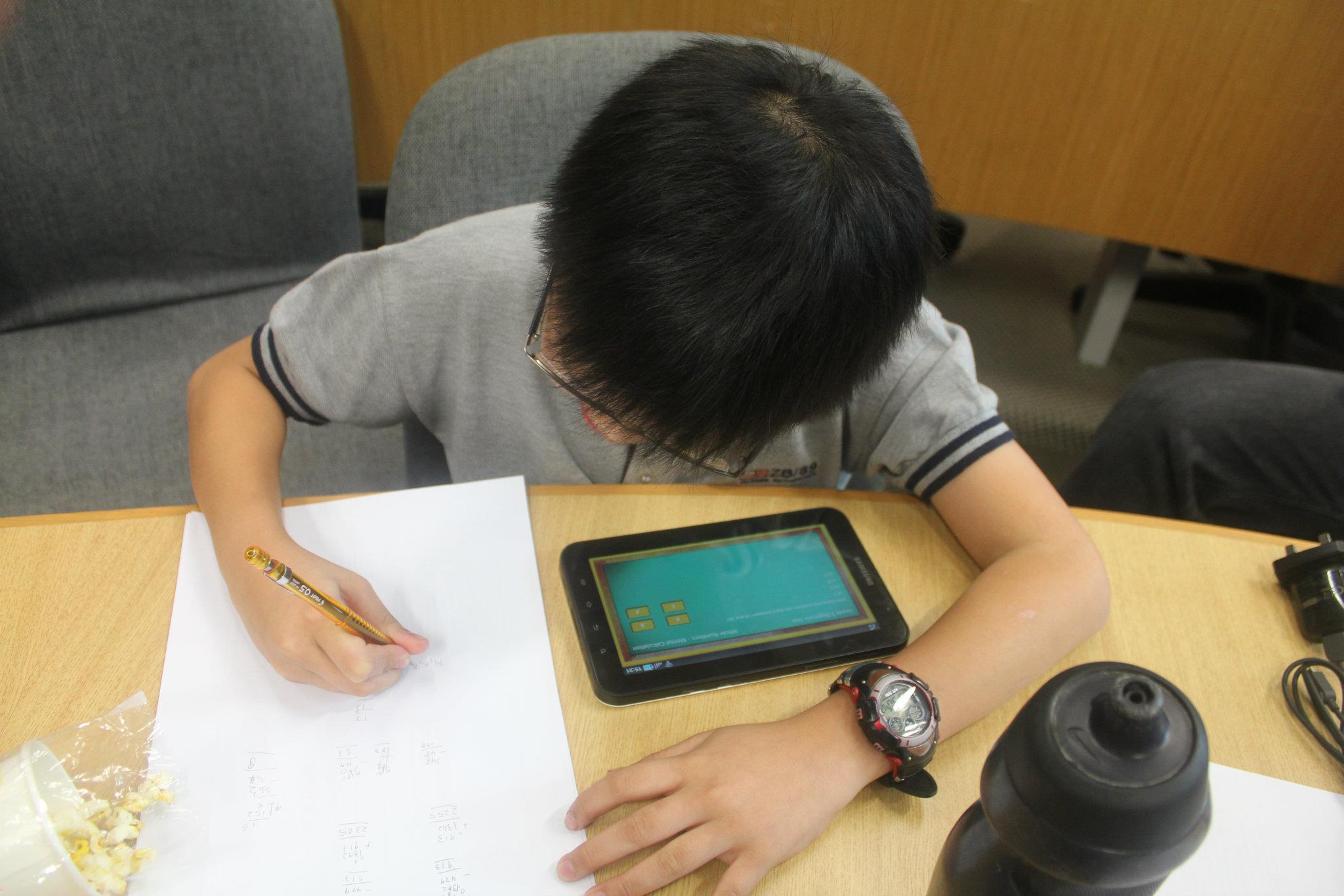
    Xavier is your regular P2 boy, a little quiet and reserved perhaps, but he was not afraid of me, and I’m definitely a stranger.  My team gave him some popcorn, a balloon, shared some jokes with him and soon he was on his way to do our Math Diagnostic tests.

    XG is one of 20 to 30 primary school students who participated in our Math diagnostic test last month.  The research, done together with colleagues and students from Singapore Management University’s Information System department, was aimed at testing the efficacy of our Math Diagnostic system, and to give insights to students and their parents of their children’s Maths ability. Our system analyses the strengths and weaknesses of each child in each of the 11 fields, hundreds of tracks and thousands of skills within our system.

    The purpose of having such a system is to provide detailed information to students, educators and parents, so that they can work on students’ weaknesses and know their strengths.

    Like the rest, Xavier settled into the test. So I proceeded outside the seminar room to talk to Mrs XG.  Her anxiety was consistent with the thousands of parents I have met, especially those whose offsprings are diagnosed with some kind of disability in our high-performing first-world society.  It seems, that most mothers become apologetic, lost and insecure once their kids are diagnosed with some learning disability.

    As a mother to a special needs child, I can empathize with Mrs XG. Life of a mum with a special needs child is filled with uncertainty, especially with the world telling us how bad it can be. She talked about how she was clueless about XG’s future, him being afraid of strangers, and that school would be a torture for him.  Then, in the same breath, she asked me if it was possible to accelerate him, knowing all my kids were radically accelerated. Here was a mother who was worried about her child coping, yet asking for acceleration. I thought it was quite exceptional.

    Not wanting to commit or comment before seeing his results, I became really curious and checked with my team.

    Interestingly, the team members were more curious about Xavier than I was. Especially on how impossibly intelligent he really is.  He was just P2 (or 7+ years old) yet he cleared all the skills required to answer questions to P6 (12 year old) level, and hit the ceiling for most tests.  The team did not believe his capability, especially when it was executed silently and unassumingly.  He even filled out the rough paper given to him with workings.

    We were stunned.

    I checked his results just minutes ago, and wished I had sat next to him to watch that moment of truth.  Now, I might never see it again!  A boy with dyslexia but a Maths genius at the same time.  While we celebrated this wonderful discovery in the boy, deep inside, I feel a little worried for the boy.

    How is he going to survive the education system that chooses to reward all rounded achievers rather than geniuses in selected areas?  I am reminded of my own journey – searching and looking for a solution that never existed, and before I knew it, my son’s childhood was almost over.

    What he needs, or what every child needs, is a system that accepts him, looks for his strengths and nurtures him, while gently leads him to overcome his weaknesses.  But that system does not really exist at the moment. Perhaps one day, it will. As for now, our job is to confirm with a mom who is guessing her child is a genius that he really is.  Mom’s job is to find a way to bring that special gift to fruition. He has a mathematical gift, and it does not matter (or perhaps it is because) he is dyslexic? Or does it?


    *Dyslexia is a very broad term defining a learning disability that impairs a person’s fluency or comprehension accuracy in being able to read,[1] and which can manifest itself as a difficulty with phonological awareness, phonological decoding, orthographic coding, auditory short-term memory, or rapid naming.[2][3] Dyslexia is separate and distinct from reading difficulties resulting from other causes, such as a non-neurological deficiency with vision or hearing, or from poor or inadequate reading instruction.[4][5] It is believed that dyslexia can affect between 5 and 10 percent of a given population although there have been no studies to indicate an accurate percentage. – from Wikipedia[/vc_column_text][/vc_column][/vc_row]

  • How the pandemic forced us to relook education

    How the pandemic forced us to relook education

    [vc_row type=”in_container” full_screen_row_position=”middle” column_margin=”default” column_direction=”default” column_direction_tablet=”default” column_direction_phone=”default” scene_position=”center” text_color=”dark” text_align=”left” row_border_radius=”none” row_border_radius_applies=”bg” overlay_strength=”0.3″ gradient_direction=”left_to_right” shape_divider_position=”bottom” bg_image_animation=”none”][vc_column column_padding=”no-extra-padding” column_padding_tablet=”inherit” column_padding_phone=”inherit” column_padding_position=”all” background_color_opacity=”1″ background_hover_color_opacity=”1″ column_shadow=”none” column_border_radius=”none” column_link_target=”_self” gradient_direction=”left_to_right” overlay_strength=”0.3″ width=”1/1″ tablet_width_inherit=”default” tablet_text_alignment=”default” phone_text_alignment=”default” column_border_width=”none” column_border_style=”solid” bg_image_animation=”none”][vc_column_text]Prior to the pandemic, it seemed that the epitome of a good education was only found in elite schools, augmented by endless after-school enrichment, tuition and supplementary classes. Many parents believed that the more their children left their homes for academic pursuits, the better their chances of doing well in school.

    The Pandemic

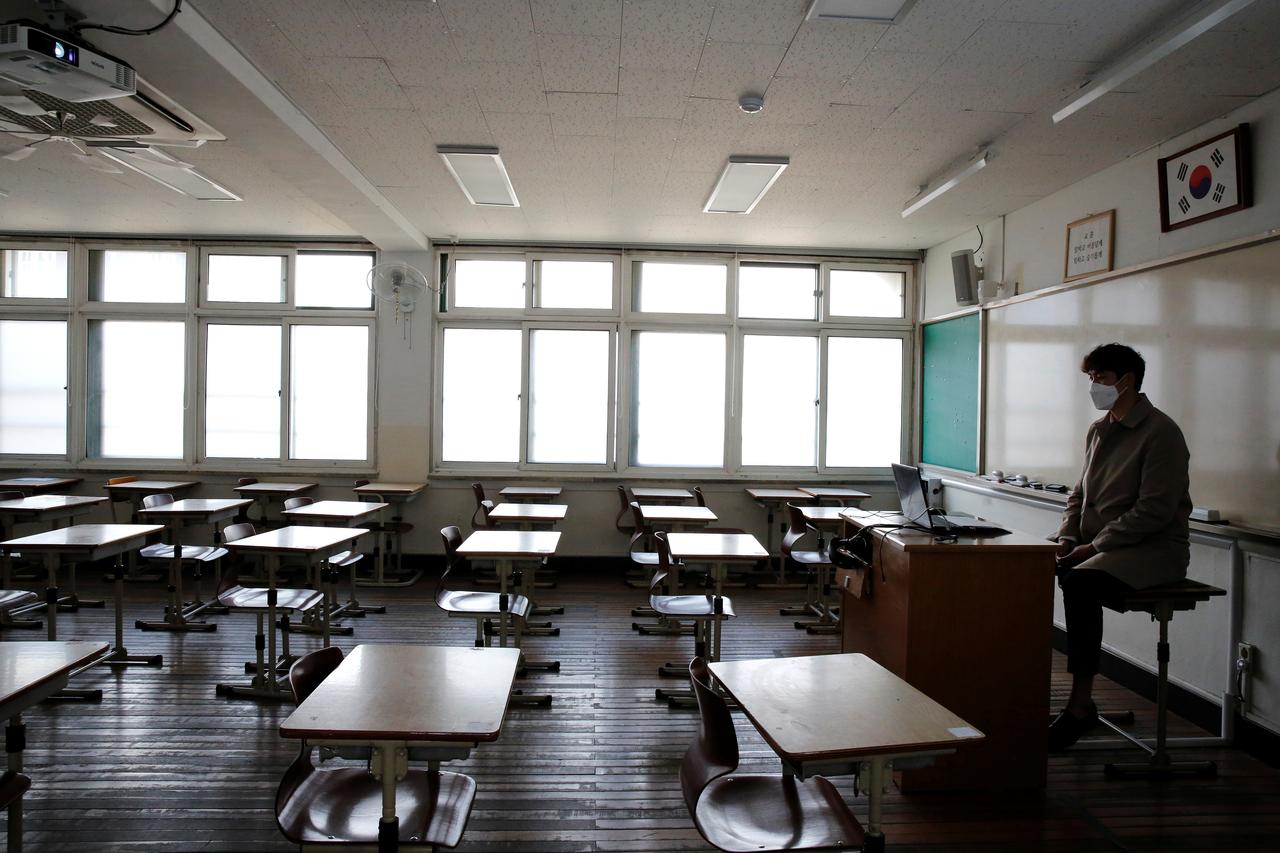
    Then Covid-19 hit, and everybody had to stay home. Most schools deployed off-the-shelf learning management systems that dispensed homework as a stop-gap measure.

    Under pressure, teachers were forced to slap together Zoom and video classes quickly, delivered in formats they were neither familiar nor comfortable with. Commercial entities took the opportunity to launch sometimes half-baked online learning platforms, mostly in the form of video conferencing. There were also horror stories of hackers entering kids’ classrooms to wreak havoc. Parents started to question if this was the kind of education that would help their children ace the school system.

    Outdated School Systems

    But even before 2020, there were already rumblings that school systems were no longer relevant. Many of us know that the current K to 12 (kindergarten to Grade 12) compulsory education system is outdated. It started in Prussia in 1800, borne out of the need to have a large workforce during the industrialisation age. While mass education has reduced illiteracy and benefited billions of people, it is still a 200-year-old system that has failed to keep up with the times.

    The traditional school system, where the teacher acted as the sage on stage dispensing knowledge worked wonders for my generation, but why should it be effective for digital natives born after 1999? They found their own alternatives to the 45-minute-lecture – a two-minute-Youtube video made by a world-class instructor, played at 1.8xnormal speed.

    Alternative Paths and Individualised Education

    Technology and alternative ideas have been seeping into our mass education system, along with the recognition that the era of mass education is over. Covid-19 signals it is time to embark on individualised education.

    As a mother of five, I’ve learnt education is not what our children can get out of schools; rather, education is what I can put into a child. To put the right education into my child, I need to first spend time to understand his or her passions, gifts and learning styles. Most people like to work on what they are good at, so I spend time to observe what my kids want to work on, and then find resources to bring them up to their fullest potential, while levelling them up in areas they are weak in. The main objective is to build up their self-esteem and confidence by allowing them to excel at things they love.

    I loved teaching my own children. From learning how to model math questions to taking courses to update my computer programming skills, I found myself constantly upgrading just to participate in my kids’ education actively. No matter which stage of their education, our home has been the most important learning venue for my family.

    Not everybody agrees with my approach. But it has always puzzled me. Why spend time trying to ace a system when I can use that time to give my children a great education?

    The Changing Playing Field

    Covid-19 has started us off with the great home-based learning experiment. However, to fully harness the strength of home-based learning, instructional design must not only leverage technology to fully integrate with school-based learning, it must also fully involve parents, educators and peers.

    For starters, parents must get involved. First, with kids studying at home, we can observe their learning styles and provide valuable insights to their teachers. Second, we can acquire free and paid resources to activate better learning. Students can now work on the topics in which they are most passionate, at the level they are most comfortable. Don’t be afraid to go for materials that are beyond your child’s level according to the school curriculum.

    Besides instructor-led activities, I like to provide opportunities for students to do research and self-study at their own pace, as well as engage their peers to learn how to negotiate, follow and lead. I also  give them  time and space to reflect on lessons.

    All of my children earned their bachelor degrees before they turned 18. More interestingly, at the  online international school, which I started in 2015I have  managed to radically accelerate about 300 students from Singapore, Malaysia, Australia, Indonesia, Hong Kong and China with different capabilities, from those with learning disabilities or who were streamed into Normal Tech at PSLE, to those who are exceptionally gifted.

    As always for me, it is not about how much students achieve academically, but how happy they are in the process that counts.
    [/vc_column_text][/vc_column][/vc_row][vc_row type=”in_container” full_screen_row_position=”middle” column_margin=”default” column_direction=”default” column_direction_tablet=”default” column_direction_phone=”default” scene_position=”center” text_color=”dark” text_align=”left” row_border_radius=”none” row_border_radius_applies=”bg” overlay_strength=”0.3″ gradient_direction=”left_to_right” shape_divider_position=”bottom” bg_image_animation=”none”][vc_column column_padding=”no-extra-padding” column_padding_tablet=”inherit” column_padding_phone=”inherit” column_padding_position=”all” background_color_opacity=”1″ background_hover_color_opacity=”1″ column_shadow=”none” column_border_radius=”none” column_link_target=”_self” gradient_direction=”left_to_right” overlay_strength=”0.3″ width=”1/1″ tablet_width_inherit=”default” tablet_text_alignment=”default” phone_text_alignment=”default” column_border_width=”none” column_border_style=”solid” bg_image_animation=”none”][image_with_animation image_url=”17737″ animation=”Fade In” hover_animation=”none” alignment=”” border_radius=”none” box_shadow=”none” image_loading=”default” max_width=”100%” max_width_mobile=”default”][/vc_column][/vc_row]

  • Motivating and Believing in Your Child

    Motivating and Believing in Your Child

    [vc_row type=”in_container” full_screen_row_position=”middle” column_margin=”default” column_direction=”default” column_direction_tablet=”default” column_direction_phone=”default” scene_position=”center” text_color=”dark” text_align=”left” row_border_radius=”none” row_border_radius_applies=”bg” overlay_strength=”0.3″ gradient_direction=”left_to_right” shape_divider_position=”bottom” bg_image_animation=”none”][vc_column column_padding=”no-extra-padding” column_padding_tablet=”inherit” column_padding_phone=”inherit” column_padding_position=”all” background_color_opacity=”1″ background_hover_color_opacity=”1″ column_shadow=”none” column_border_radius=”none” column_link_target=”_self” gradient_direction=”left_to_right” overlay_strength=”0.3″ width=”1/1″ tablet_width_inherit=”default” tablet_text_alignment=”default” phone_text_alignment=”default” column_border_width=”none” column_border_style=”solid” bg_image_animation=”none”][vc_column_text]So many of us underestimate the severe consequences of not believing in our children. On the other hand, we undervalue the incredible advantages of believing in our children as well.

    I got a bit embarrassed. I was the only person who raised my left hand, and so I lowered it quickly hoping nobody saw.

    It was too late. All eyes were already on me.

    “Oh, Pam! Her kids are wonderful. They are geniuses.” The speaker for the parent seminar identified me from the audience. But why am I the only one out of hundreds who thought that the kids are great?

    In fact, at that time, my son was having a lot of trouble in school. The speaker himself had thought that my son was a special needs and one of the first to ask me to bring him for psychological tests.

    You see, it does not matter how my kids are or what other people think. My kids are the best thing that has happened to my entire life. And, I think it is because I believe in them that they don’t want to disappoint me. So, they try to become better and better. And because they want to become better, I believe them even more. Yup, it is a catch-22. A good one. One that spirals upwards.

    When Old Boy was about seven, something felt wrong. He was always absent minded, dreamy and he failed to do any of his homework. He loses five water bottles a week, and his PE T-shirt every other day.

    I was worried and devoured every literature I could get my hands on to try to learn and solve the problems. There were suggestions that he had learning disabilities. I was worried and devastated initially, but I decided I had to choose a route.

    So, I went the opposite way from most parents. Instead of believing that something was wrong with him, that he needed to fix his long list of weaknesses, I decided to look for that one thing that he was really good at, and work on it.

    At that time, I just thought that if I keep believing he is gifted, he will become so. Well, even if he is not, even if he is the opposite of giftedness, there is nothing to lose. I knew I would raise him exactly the same way, anyway.

    After that, I went about looking for resources to help him learn. In the early 2000s, there was no resources on the internet. There was no online schools nor were there free MOOCs. I wrote to schools in different countries to see if they could send me their school books. In the end, I found resources that really helped, resulting him him entering university at 14.

    For each of my five children, I did exactly the same thing. I put their weaknesses aside temporarily (to the horror of many educators and psychologists) and work on their strengths until they believe so much in themselves, they are inspired to do things well.

    In the end, all my five kids finished university before they turned 18. Some of my kids have now worked several years. Looking back, I think I did the right thing in choosing to believe in them even before they even prove themselves, before the world believe they were somebodies.

    In an education that constantly focuses on our students’ weaknesses so as to fix them, I chose the other way. I chose to focus on my children’s strengths, boost their self-esteem and motivation, and then deal with weaknesses when things are more relaxed.

    It has worked wonders not only for my kids, but also the students who choose to journey with the school I founded. Our programs focus on not only on developing academic learning, but inner strength as well. I always tell parents that if they can tell me just one, just ONE good thing about their child, I am confident I can make them geniuses.

    Fortunately, many parents can, so we have made many children into geniuses in their own ways. But that’s not important. What’s important is that they find happiness and purpose in their education, confidence in doing what they are good at, and strength in handling challenges.

    The next time someone asks you about your child, think about that one thing they are so good at, and then say that they are wonderful. After that, sit back and watch how that little prophecy you made gets self-fulfilled. They will be wonderful.[/vc_column_text][/vc_column][/vc_row]

  • How to motivate your child

    How to motivate your child

    [vc_row type=”in_container” full_screen_row_position=”middle” column_margin=”default” column_direction=”default” column_direction_tablet=”default” column_direction_phone=”default” scene_position=”center” text_color=”dark” text_align=”left” row_border_radius=”none” row_border_radius_applies=”bg” overlay_strength=”0.3″ gradient_direction=”left_to_right” shape_divider_position=”bottom” bg_image_animation=”none”][vc_column column_padding=”no-extra-padding” column_padding_tablet=”inherit” column_padding_phone=”inherit” column_padding_position=”all” background_color_opacity=”1″ background_hover_color_opacity=”1″ column_shadow=”none” column_border_radius=”none” column_link_target=”_self” gradient_direction=”left_to_right” overlay_strength=”0.3″ width=”1/1″ tablet_width_inherit=”default” tablet_text_alignment=”default” phone_text_alignment=”default” column_border_width=”none” column_border_style=”solid” bg_image_animation=”none”][vc_column_text]”Erm, Pam, how do you motivate your children?” At almost every parent seminar, someone will ask me this question and I am always stuck, because I’ve never had to motivate my children to do anything.

    Most recently, a Straits Times journalist asked me that question again but in a different way. She asked me how do I help parents who face unmotivated children.

    O… it is a problem, huh?

    Then, why do parents and educators choose to demotivate their children and students in the first place.

    Don’t believe me? Do this.

    Experiment Yourself

    Observe the faces of the children starting school on their first day: the primary/grade/year 1 students. Almost always, they will be filled with excitement and wonder, although some will be terrified. But none unmotivated.

    Do the same again six months later. You will be lucky to find half of them still as enthusiastic.

    How do six-year-old children get unmotivated in six months? The school has a fantastic way of taking away that passion in the kid through the way it is run, the way educators are trained and the way we teach.

    Reduce Demotivation

    Rather than trying to motivate your kids, I suggest a two-step method: first, you remove things that demotivate, and then, you find ways to inspire!

    Motivation requires a push factor, while inspiration is from within. If you can inspire your students, then you will never ever have to motivate them again. This is simply because their motivation then comes from within themselves.

    There are many ways to not demotivate your child. I will give an example here (and if you want to know more, please either attend my seminar or PM me). First, do not penalize a child for doing well. Yes, we do that all the time.

    Set a firm target and don’t back out! If you tell a child to finish ten questions and they do so in 5 minutes, don’t be tempted to add another five more since he is doing well. To shoot a moving target is extremely difficult and the next time, they will either slow down so that you won’t give them more work, or they won’t even bother to believe you. You have successfully demotivated them.

    Increase Inspiration

    So, when your child is doing well, do not penalize them, but do not overly reward them either. I have seen so many parents, and I have tried that myself, bribe the kids into doing well. It ALWAYS backfires, because to do well in anything must be their responsibility, and not something they should get extra remuneration for. To provide an incentive to do a duty can lead to a false sense of entitlement, and this kind of bribery can become an ongoing pattern that ultimately teaches your child to wait for an incentive before they do something for themselves.

    Requiring incentive to do something is the opposite of inspiration. You want your kid to want to do something for themselves, not to do something for an incentive.

    I will cover one more example of how to inspire your child tomorrow, and then all the rest on Saturday’s webinar.

    For now, just remember this little formula I have created:[/vc_column_text][nectar_gradient_text heading_tag=”h2″ color=”extra-color-gradient-1″ gradient_direction=”diagonal” text=”Motivation = Inspiration – Demotivation”][vc_column_text]

    Increase inspiration, decrease demotivation. I have used this little formula when working with my students, my own children and my entrepreneurial participants. We have seen tremendous success.

    Really. Inspired and motivated people will change the world we live in for us. Try it and see your own miracles![/vc_column_text][/vc_column][/vc_row]
  • The Most Important Teacher Skill

    The Most Important Teacher Skill

    Some Teachers Suck

    “Don’t be a teacher that sucks!” I stared at my trainer at Republic Polytechnic, not quite believing my ears. So what is the most important teacher skill?

    Yes, she looked straight into my eyes. Some teachers are just horrible, she reminded me.

    Unfortunately, from experience, what she spoken the truth. I have met so many friends and relatives who became teachers. While some truly want to change people’s lives and inspire, most I have met became teachers because it pays, and they tell me so blatantly. Often, after they have failed to get other jobs.

    Those who can, do; those who can’t, teach. I believed this all my life until I had no choice but to give up my own career and became an instructor in the university.

    Discovering Teaching

    Teaching was the wilderness to me. I have always seen myself as an entrepreneur, the founder and the CEO of companies. I like to negotiate with world-class businessmen and close multi-million dollars deals, I like to sit on government round-tables to give suggestions, I like to strategize and second guess and beat the market trend.

    But as it turned out, I had actually forgotten how much I love to teach: it’s much better than being an air stewardess visiting the world, it is much better than sitting on the same table with who’s who during a gala dinner. Those were great, but teaching is far greater.

    Teaching Failing Students

    At 15, I started teaching as a tuition teacher as I wanted to be independent. My student was just three years younger and he had one month to taking his PSLE exams. He had failed his preliminary math exam, so his mother wanted me to perform a miracle.

    This little boy came to my house twice a week for a month and I had no clue if I could help him. But I knew how to make him laugh and think. I would create Math questions with him as the protagonist. He laughed and participated in my jokes. At the end of the month, his mom did not pay me.

    However, on the day they released the PSLE results, she brought $40 and a gold chain to my house. He had not only passed math, but scored an A.

    I realized I could feed myself by telling stories to little children. So, I continued.

    Teaching Students with Emotional Needs

    The next family that came to me was an Indonesian family with three girls. They lived in a big house in Bishan area with a house keeper, a driver and a maid. Their parents visited them once every month or so.

    The youngest daughter was not very interested in studies, so in order to get her to the ‘tuition room’, I had to go to her room to wake her up and carry her school bag.

    I became particular good friends with the second daughter, and her academic work was good. Seeing that they were always at home watching the TV, I wanted to tell her a bit about the world. So, I brought her to cut her hair, played badminton with her, bought ingredients to bake cakes with her. In the end, she told me that her parents had asked her who I was, that I could get the youngest girl to start scoring close to full marks for spelling and tests when she used to get zeroes.

    But I think she missed the point. The parents were probably scared that I was trying to get too close, so they found ‘less involved’ teachers. I got it. They were rich and had to be careful of people who might have ulterior motives.

    Teaching the Capable and Smart

    Another memorable family was a 3-generation family that I taught. The kids were the smartest I have ever taught. The boy was Sec 3 and his work was already good. So, I started teaching him Sec 4 additional math and we got him ready for ‘O’ levels when he was in Sec 3. The girl was Primary 5 and I did the same for her for PSLE.

    I would bring them cakes that I baked and shared funny jokes. In the end, I had nothing else to teach them as they were so ahead, so I stopped. Many years later, I received messages and photographs from them. They did so well in school and in life.

    That was when my career started to take off as well and I stopped teaching. I didn’t resume teaching until decades later, when I had to stay home to mind my children and started teaching in the university.

    Teaching in the University

    In the university, I was on the Dean’s list every semester I taught. This is not an easy feat, given my colleagues were mostly professors who were highly regarded in their fields.

    As I reflect, I think I know why I managed to rank high. Being a great teacher is not about how much subject matter we know, but how much we can inspire our students to learn.

    It is no different whether we are teaching students who are failing, those who need more emotional support or those who are already excelling in every aspect. There are always things we can do to motivate them to do better for themselves.

    The Most Important Teacher Skill – Teaching People

    Over the years, I have taught thousands of students, and people comment that my students really do very well. I always believe that a good teacher can teach almost anything. It is not the curriculum, but how we can inspire our students that counts.

    That is my little secret. The secret to why students with learning disabilities who cannot even score 150 at PSLE can catch up and score A’s in high school. The same reason why 11-year-old previously bored students hope that they will prepare for university entrance exams by 14. Same reason why bankers-wannabes or jobless people became great mega-millionaire entrepreneurs after attending my classes.

    I actually didn’t do much. My job is really to find what is already in the students and to bring that to the fullest potential. My job is to inspire them to be who they already are deep inside but buried from the noise of the cruel world.

    I think, I finally understand what the RP trainer was saying. Most teachers impose too much of themselves on students and ignore what incredible gifts they each already possess. For me, I believe my job is to inspire and motivate through anything I teach. Teaching a subject or curriculum is easy. Teaching people is not. It is about finding the best in that person and finding ways to maximize his potential in the field we teach. People will forget what we teach but they will not forget what we say to them.

    Everybody has something to teach and therefore is a teacher in some ways. Everybody has to inspire and motivate. That’s the most important teacher skill we should have.

  • Alternate Paths to Education

    Alternate Paths to Education

    [vc_row type=”in_container” full_screen_row_position=”middle” column_margin=”default” column_direction=”default” column_direction_tablet=”default” column_direction_phone=”default” scene_position=”center” text_color=”dark” text_align=”left” row_border_radius=”none” row_border_radius_applies=”bg” overlay_strength=”0.3″ gradient_direction=”left_to_right” shape_divider_position=”bottom” bg_image_animation=”none”][vc_column column_padding=”no-extra-padding” column_padding_tablet=”inherit” column_padding_phone=”inherit” column_padding_position=”all” background_color_opacity=”1″ background_hover_color_opacity=”1″ column_shadow=”none” column_border_radius=”none” column_link_target=”_self” gradient_direction=”left_to_right” overlay_strength=”0.3″ width=”1/1″ tablet_width_inherit=”default” tablet_text_alignment=”default” phone_text_alignment=”default” column_border_width=”none” column_border_style=”solid” bg_image_animation=”none”][vc_column_text]The social media is flooded many grandiose views of the many alternate pathways to education from everywhere. Are they for real, are they just competing for airtime or are they meant for entertainment only?

    Why are people debating on class size, when students cannot even attend class. Is going to university really an aspiration in the next few years, as some families struggle to put food on the table?

    I watched and wondered what kind of impact these policies might have on our children. Parents must be concerned. Are things going to be just as pressurizing? More tuition? Or super relaxed?

    Now that the election is over, is the show over? So, can we get back to reality? Does it mean we are just returning to the old system?

    Wait.

    What old system are we referring to? Are we still waiting for the coronavirus crisis to be over so that our kids can resume their usual routine of going to school and we can resume our lives? Is the old system really coming back?

    Let’s get real. It is not. So is this good or bad news? Not too long ago, weren’t we complaining about how outdated the education system was? In 2007, Sir Ken Robinson asked us if schools kill creativity. His speech became the most watched Ted Talk. While the technology has been ready for a while now, educators and policy makers have been dragging their feet in implementing any groundbreaking policies. After all, why change when things are not broken.

    But things are broken. The pandemic has forced us to relook at education as we have limited abilities to send our kids to sit in classrooms. On July 7, US ICE issued the policy that foreign students who can attend classes online will not be allowed to stay in America. Granted, they were forced to reverse that decision very quickly. But how long will this hold up?

    Clearly, online education is here to stay, with its role getting more important. I am amazed that in this time and age, there are still people who insist that certificates or degrees earned with some online components are not as rigorous or should be less regarded than those that were done in person.

    While there are some fields that can only be taught in person, those that can be taught online will be better delivered through the use of technology. In fact, many of these programs will have better instructional design, more modern and with better instructors than face-to-face instructions.

    Teaching online requires some additional skill set and a different disposition from teaching in person. It also involves different issues.

    These days, will we still risk to send our kids to any educational institution that does not have effective online strategies? In fact, do you think any school should exist if its online program lackluster? We know that in future, any kind of studies will have at least part of its program delivered online.

    Besides having teachers trained to deliver curriculum online, a good online program should also incorporate proper planning and good instructional design. The days of pressurized teachers slapping together zoom and video classes quickly and delivering in formats they were neither familiar nor comfortable with should be over.

    In fact, the new norm presents many alternatives to education. Whether our children excel in education depends on how we cut through this noise and address things that matter before they grow up.

    I conducting a webinar on alternate pathways to education. We took 10 years to refine our online education programs. Our programs have helped hundreds get into the most prestigious universities in the world. Come and listen to our methodologies and witness how we have motivated them with all levels of learning abilities to achieve what they themselves didn’t believe they could.

    Thousands have already changed their children’s lives through our seminars. Commit 3 hours one Saturday, and see how your kids’ education transform. Suitable for parents of kids above 10 years old, from any part of the world.[/vc_column_text][/vc_column][/vc_row]

  • Pamela Lim : COVID-19 Business Help #Herworldherstory

    Pamela Lim : COVID-19 Business Help #Herworldherstory

    [vc_row type=”in_container” full_screen_row_position=”middle” column_margin=”default” column_direction=”default” column_direction_tablet=”default” column_direction_phone=”default” scene_position=”center” text_color=”dark” text_align=”left” row_border_radius=”none” row_border_radius_applies=”bg” overlay_strength=”0.3″ gradient_direction=”left_to_right” shape_divider_position=”bottom” bg_image_animation=”none”][vc_column column_padding=”no-extra-padding” column_padding_tablet=”inherit” column_padding_phone=”inherit” column_padding_position=”all” background_color_opacity=”1″ background_hover_color_opacity=”1″ column_shadow=”none” column_border_radius=”none” column_link_target=”_self” gradient_direction=”left_to_right” overlay_strength=”0.3″ width=”1/1″ tablet_width_inherit=”default” tablet_text_alignment=”default” phone_text_alignment=”default” column_border_width=”none” column_border_style=”solid” bg_image_animation=”none”][image_with_animation image_url=”17475″ animation=”Fade In” hover_animation=”none” alignment=”” border_radius=”none” box_shadow=”none” image_loading=”default” max_width=”100%” max_width_mobile=”default”][vc_column_text]This is Pamela Lim’s story as published in Her World Magazine.

    To help the unemployed get back on their feet, the entrepreneur is offering a free e-commerce course

    When I realized that many small businesses and people have lost their livelihood in recent months, I decided to provide a free e-commerce entrepreneurial course. I knew the way to survive is to go digital, as online businesses will grow even bigger.

    Plus, the six-month course will bring new skills to the unemployed. They can set up their own online businesses and earn a new source of income.

    I conduct the digital course with three other instructors under Cambridge Institute of Communication Arts, which I founded in 2017. This is my area of expertise: I have a Masters in Digital Medai and Masters in Business Administration.

    To join, the students must agree to use their newly acquired skills to launch their online business within three weeks. So far, we’ve trained more than 300 people, out of which 15 student are sponsored.

    They include chefs and women who have become sole breadwinners after their husbands lost their jobs, and family members of covid-19 victims.

    The first three weeks of the course will see students and instructors brainstorm all kinds of ideas, before we create the products and build a system around each business. I encourage my students to think big and out of the box! Of course, the business has to be viable and creative, too! Some ideas include digital wet markets, home-based food businesses and offering financial advice to help others get through tough times. Each week, we’ll guid each student one-on-one through the remaining months. I also oversee their initial months of operations. What motivates me is teaching people how to kick-start their businesses and bounce back!

    I’m happy to see the students grow… helping them rethink problems, provide new solutions and be adaptable. One day, I’ll look back and marvel at all the ideas we thought up during these times.[/vc_column_text][/vc_column][/vc_row]

  • COVID-19 Resurgence Provides Opportunities

    COVID-19 Resurgence Provides Opportunities

    She told me she has to find a way to bring her daughter home from Melbourne. The university has given non-resident students only a few days to leave.

    My daughter told me that the university she teaches in has announced that they’ve made a loss of $400m in the last financial year.

    COVID-19 resurgence is happening from Melbourne to Texas to Wuhan after reopening.

    Have you thought of the impact it will have on you?

    I am afraid of catching the virus, so I diligently use my mask and wash my hands while singing the Happy Birthday song twice.

    Expected Difficult Times Ahead

    But even if I don’t catch the virus, I know that the years ahead will be difficult. Many retail businesses have already failed, the travel industry is experiencing unprecedented decline. In similar fashion, universities everywhere: from the United States to Australia are struggling. Many jobs will be lost.

    Most of us have yet felt the full effect as there are grants and economic packages handed out to businesses and individuals so far.

    Will there be continual support or will the government grants be withdrawn, leaving us to survive on our own?

    Traditionally and historically, people become taxi-drivers and hawkers for alternative sources of income. However, these options seem unattractive during this pandemic.

    CICA Free Course

    What options do we have? I want to give you a leg up!

    Whether you think that your job is at stake, believe your existing company needs a new direction or think this is the perfect time for you to embark on a business dream, I am going to help you.

    I will brainstorm with you to find the most profitable niche and help you launch that business in one month. As long as you follow our method and instruction, we are confident you will build something to be proud of in a month.

    Some of our students have already managed to make more than their lost income, and their businesses are still growing.

    Conditions

    I have two conditions in order to offer the course free. One, you have to write an email to me to tell me your hopes and dreams for your future, no sob story please. Second, you have to implement what we teach in the course and take up a $3,000 implementation package so that your business will be launched in time. You must also put aside $500 to pay Google and/or Facebook for advertisement, to draw audience to your business.

    I believe the pandemic can become an opportunity of a lifetime. You don’t need an idea to start but the determination to make this work.

    There are thousands of feedback received from the years/decades I have taught entrepreneurship in the university from the link as well. You will read about many of my students have since become mega millionaires. Become a great entrepreneur and build a business for yourself, like them.

  • Stand and deliver: ‘Angel’ instructors pave the way for covid crisis management

    Stand and deliver: ‘Angel’ instructors pave the way for covid crisis management

    As published in Salt and Light on June 22, 2020:

    pml7 copy
    Pamela Lim, an award-winning entrepreneur and SMU lecturer, is one of many professionals helping to give others a leg-up during this coronavirus season. Photo courtesy of Pamela Lim.

    One idea was conceived when a mother was packing her house and taking out the trash; another was borne out of conversations between leaders.

    But the thread that runs through both is the deep-seated desire for multiplication (Matthew 25:14-30).

    Pamela Lim and Kenneth Kwan are two examples of individuals who are investing their natural talents and professional skills in others, by imparting experience and skills that could be put to good use this COVID-19 season.

    Lim, an entrepreneur and educator, is equipping those whose livelihoods have been impacted, while Kwan, a motivational speaker, is helping pastors and leaders to deliver engaging online content. Here are their stories:

    Pamela Lim: “I just want to be that servant who is found faithful.”

    While panic gripped many at the beginning of the COVID-19 pandemic, Pamela Lim, 54, saw business opportunities and wanted to help people act on them.

    “There are really interesting ways we can influence the world now as the world ‘resets’.”

    She took her entrepreneurship course one step beyond teaching business development principles and delved into helping her students implement viable business plans.

    She certainly had the credentials for it, with multiple entrepreneurial awards to her name and having taken a company from inception to listings on both the Nasdaq and the Singapore Exchange (SGX).

    Two of her students were May and Claudia Chiew, a mother-and-daughter pair who urgently needed a financial lifeline for their family.

    Last month, Lim helped them launch Claude & Clari, an online wet market grocery business, at a time when their family’s sole breadwinner, taxi driver Constant Chiew, 63, was in a coma with COVID-19 and isolated in the National Centre for Infectious Diseases’ intensive care unit.

    The family’s savings were rapidly being depleted, and there was no money incoming.

    Under Lim’s tutelage, May and Claudia developed their idea of connecting consumers with wet market stallholders during the Circuit Breaker period.

    Lim’s team helped them build an online ordering system similar to that used by Redmart and NTUC Online. It was up and running in a few weeks, “a fraction of the time” it would usually have taken.

    Pamela Lim co-founded Ebiz Solutions with three employees in 1998. In three years, it had 400 employees in seven countries. By then, she was a mother of five as well. Pamela considers her roles as a mother, a teacher and an entrepreneur all part of her calling even if it has meant 18-hour work days. Photo courtesy of Pamela Lim.

    Pamela Lim considers her multiple roles as mother, teacher and entrepreneur part of her calling even if it has meant 18-hour work days. Photo courtesy of Pamela Lim.

    The idea to run her course had come to Lim while she was in her home in Brisbane, Australia, earlier in the year. Her youngest of five children was graduating from university, and Lim was preparing for the next stage of her own life.

    It seemed a logical extension of her illustrious e-commerce career of the 1990s, which had included the co-founding of Ebiz Solutions in 1998. In three years, that firm grew from three employees to 400 in seven countries.

    “I wanted to use my skills to give people a leg-up during this time of crisis.”

    By then, she was a mother of five, and decided to switch to a teaching career. She became a lecturer at Singapore Management University, whilst homeschooling all her five children, some of whom were variously diagnosed with autism and existential depression.

    About her current venture, Lim said: “There are really interesting ways we can influence the world now as the world ‘resets’.

    “I wanted to use my skills to give people a leg-up during this time of crisis. I know that when God puts people in our paths and we can help, we must not turn away.” (James 4:17)

    To her regret, in her younger days, she used to turn away from strangers who asked for help. “But I remember their faces and I still wonder if they were angels I failed to administer to.”

    Once, while in a queue at a DBS bank in 1993, she overheard a conversation between an old woman and the bank officer behind the counter. The old woman asked for her account balance – she wanted to know if there was enough to pay her utility bill of about $10.

    Yes, the bank officer said, there was $15 in the account.

    “I felt really sad when I heard that,” said Lim. “So I reached into my wallet and took out $50 to give it to her, but I could not muster the courage to do so.

    “I was afraid that the old woman would be angry with me and reject me. To this day, I wonder why I did not pass the cash to her.

    “God has blessed me with so much – I just want to be that servant who is found faithful.”

    Kenneth Kwan: “I only wish to listen and obey.”

    During the Circuit Breaker, motivational speaker Kenneth Kwan found himself in a position to help pastors and church leaders – people who are more often found meeting the needs of others.

    “When you are online, you have to engage the participants with what you say.”

    His heart was “heavy” because of the struggles pastors and church leaders faced as more and more church activities went online due to the Stay At Home restrictions.

    They were largely at a loss with regard to online presentation techniques and unable to meaningfully engage their audiences.

    Knowing they could not transport pulpit-preaching strategies wholesale onto the online platform, Kwan decided to run a small workshop to share ideas on how things could be done differently.

    Given Circuit Breaker restrictions, however, even he was in new territory! So, he went on a mission to glean from all the online programmes he could find and learn from presentation styles and techniques that seemed to work better than others.

    He explained, laughing: “As a professional conference speaker, I get paid to deliver my thoughts and ideas in a fun, engaging way. If I am not good, I won’t be rehired!”

    "Having a spirit of excellence in all that we do is important," says Kenneth Kwan, a motivational speaker by trade. He has run nine sessions of workshops for over 3,8000 pastors and church leaders sharing practical handles on how to improve their online presentation and engagement. One such tip he gives is to have good lighting – he uses two standing lights set up at home. Photo courtesy of Kenneth Kwan.

    “Having a spirit of excellence in all that we do is important,” says Kenneth Kwan, a motivational speaker. Photo courtesy of Kenneth Kwan.

    What he did not realise was how widespread the need was. From the initial plan of one workshop addressing 30 people, Kwan found himself sharing ideas with over 3,720 people in nine separate video-conferences through May and June.

    Among the tips he gave were:

    • Engage: “Learning behaviours – online and offline – are different. In my opinion, when you are online, you have to engage the participants with what you say. This is what makes online learning so powerful, you can actually involve participants.”
    • Experiment: “Being experienced is not enough, since we can be experienced in delivering the same message in an uninteresting way.”
    • Enhance: Have good lighting and look at the camera, instead of at the screen.

    “I stand amazed at how God took this little desire and burden, and multiplied it manifold.”

    Kwan recognises his workshop is a short-term project that will “only last for this season, where everyone is still grappling with online learning”.

    As his audience becomes more practised and the need for his tutoring gradually recedes, “perhaps God will lay another burden on my heart?

    “I don’t know, I only wish to listen and obey. (James 1:22)

    “I stand amazed at how God took this little desire and burden, and multiplied it manifold.”

    ABOUT THE AUTHOR

    Tan Huey Ying

    Salt&Light writer Huey Ying is a millennial with a résumé to prove it – she was a plankton-sized part of the finance industry before serving in a Christian organisation. She loves the sea and you will find her somewhere near the water during her holidays.