
Author: pamela

  • The Educator, The Destroyer

    The Educator, The Destroyer

    [vc_row type=”in_container” full_screen_row_position=”middle” column_margin=”default” column_direction=”default” column_direction_tablet=”default” column_direction_phone=”default” scene_position=”center” text_color=”dark” text_align=”left” row_border_radius=”none” row_border_radius_applies=”bg” overlay_strength=”0.3″ gradient_direction=”left_to_right” shape_divider_position=”bottom” bg_image_animation=”none”][vc_column column_padding=”no-extra-padding” column_padding_tablet=”inherit” column_padding_phone=”inherit” column_padding_position=”all” background_color_opacity=”1″ background_hover_color_opacity=”1″ column_shadow=”none” column_border_radius=”none” column_link_target=”_self” gradient_direction=”left_to_right” overlay_strength=”0.3″ width=”1/1″ tablet_width_inherit=”default” tablet_text_alignment=”default” phone_text_alignment=”default” column_border_width=”none” column_border_style=”solid” bg_image_animation=”none”][vc_column_text]*Written in 2011

    I was in the attic just two days ago looking for some books, and I chanced upon my son’s P1 Chinese file. I flipped through that and was reminded of the child before his school problems started.

    His file is still neat and filed chronologically to perfection. Every piece of work was done meticulously, and they were either full marks or close to that. In P2, he was placed in the enrichment Chinese class, meant for more advanced Chinese learners.

    Today, he is exempted from Chinese. Since P2, his work is a mess, and he cannot remember much of any administration things he needs to do. What a change?! Instead of progressing, he has regressed.

    For the past three years, it had only been suspensions from school, complaints, caning and seeing one psychologist after another. It all started with just one really difficult teacher, who did not have chemistry with the Boy, and one new and clueless principal.[/vc_column_text][vc_row_inner column_margin=”default” column_direction=”default” column_direction_tablet=”default” column_direction_phone=”default” text_align=”left”][vc_column_inner column_padding=”no-extra-padding” column_padding_tablet=”inherit” column_padding_phone=”inherit” column_padding_position=”all” background_color_opacity=”1″ background_hover_color_opacity=”1″ column_shadow=”none” column_border_radius=”none” column_link_target=”_self” gradient_direction=”left_to_right” overlay_strength=”0.3″ width=”1/2″ tablet_width_inherit=”default” column_border_width=”none” column_border_style=”solid” bg_image_animation=”none”][vc_column_text]This teacher is semi-blind in a physical sense. I’m not sure why she was still the form teacher, but her capabilities were limited. She would make silly mistakes like mis-marking that The Boy would catch. She was always offended. She hated The Boy.

    It didn’t help that this lady is the wife of an influential person in school. I have no clue who this influential person is, except that it is someone the principal cannot offend, so she told me.

    I was called into the principal’s office the first weeks The Boy was in this lady’s class. I was told The Boy had toppled tables and chairs and created a whole scene, endangering students in the class. When I reached, the principal was fuming mad, and this teacher was by her side:[/vc_column_text][/vc_column_inner][vc_column_inner column_padding=”padding-4-percent” column_padding_tablet=”inherit” column_padding_phone=”inherit” column_padding_position=”all” background_color=”#960000″ background_color_opacity=”1″ background_hover_color_opacity=”1″ font_color=”#ffffff” column_shadow=”none” column_border_radius=”none” column_link_target=”_self” gradient_direction=”left_to_right” overlay_strength=”0.3″ width=”1/2″ tablet_width_inherit=”default” column_border_width=”none” column_border_style=”solid” bg_image_animation=”none”][vc_column_text]

    Updates

    The Boy continued to have nightmares after these incidences for another two years and was on the brink of depression.  His nightmares has now stopped and he is now happily dual enrolled in a high school and university.

    He is no longer afraid of eczema and still blabbers mindlessly too often, though with less frequencies.  We are working on that.

    [/vc_column_text][/vc_column_inner][/vc_row_inner][vc_column_text]Principal: Mrs Lim, your son has been a nuisance and he tried to topple the tables and this is not acceptable.

    Me: Why did he do that?

    Teacher: This morning, as a standard routine, I asked to boys to change places and sit with another batch of students. TMY was assigned to sit next to The Boy. Your boy threw up a big fuss. He called TMY God’s biggest mistake in creation and refused to sit next to the boy. And then he toppled all the tables and chairs.

    (Now this is really strange to me, because The Boy has never toppled anything in the house.)

    Me: Teacher, you called me last week and told me about The Boy not wanting to sit next to TMY and I asked that you not do this again. Why did you assign him to sit with TMY again? The Boy is afraid of TMY’s skin condition.

    Teacher: It was RANDOM. I RANDOMLY assigned them. Anyway, I have already explained TMY’s skin condition to class, and he has no right to be afraid.

    Me: Can I ask The Boy his version, and then get back to you?

    (Principal looked at Teacher, and Teacher shook her head)

    Principal: No, we do not allow such investigations in our school.

    Teacher: There’s no HIS version and MY version. I am telling the truth, and all your boy can do is lie.

    They then brought me to his classroom. They left a table toppled for me to witness, and he was sitting alone in an empty room. I went to The Boy.

    The Boy: Mummy, I thought you have to teach today, why are you here?

    Me: Your principal asked me to come. Why did you topple the tables?

    The Boy: Mummy, I didn’t topple the table. You see, this morning the teacher asked us for an oral file. I didn’t have mine. She insisted I forgot to bring it to school, I told her I left it in school with her. She refused to believe me.

    Then, she punished me and refused to let me answer any question in class.

    Later, we found the file under another student’s (class monitor) table. She then accused me of leaving it below that students’ table. I didn’t. After that, to get back at me, she made us change places and purposely ask TMY to sit next to me.

    Mummy, TMY is very scary, his skin is red and falling off, so I kept telling her no.

    She insisted and got two boys to push TMY’s table next to mine anyway. I tried to stop it and went against their force from the other side of the table. I think I am much stronger than both of them, so the table toppled.

    Principal: Mrs Lim, please bring The Boy home.

    Me: Do you want to go home?

    The Boy: No mummy, I want to learn. I want to sit here and learn.

    (He sat up straight and put his hands together.)

    Me: (I took a look at the teacher and the principal who gestured they wanted him out of the classroom.) Mummy will teach you at home. It’s ok.

    That was the first problem we had. I then asked for a change of class or teacher, but the principal disagreed. After a few more conflicts with the same teacher, the school decided to issue him a letter telling him not to go back to school. We then called the teacher to ask for a reason. There was no explanation except that they could not handle my son.

    I then wrote to his Chinese teacher. She said he had no problem in her class and she was happy to take him. With that email, I asked the principal if he could go for the Chinese class, and skip English and Math. The principal said he could not choose. He was either to get along or not attend class.

    It went on for the whole year. Throughout the year, there were many incidents such as this, different stories from the teacher and the student. Each time, the student was wrong and she was right, no deviation, even if she was not there to witness any incident, she would input and said that my son was wrong.

    After some time, she even claimed that others agreed with her.

    Nobody was really on his side except for one P5 teacher educated in Australia, who was against suspensions and not listening to children. Whenever he had problems, she would volunteer to have him in her P5 class, and she told me she had no problem, and he could even contribute and understand her lessons.

    She told me she had advised the principal not to suspend a 8 year old but to no avail. There was just so much she could do.

    I then called up the MOE and asked if they would help my son. He showed signs of giftedness and was always quick with his work, which was part of his behavioral problems.

    At P2, he could work with fractions, negative numbers and algebra, forces and momentum, all self-taught. The MOE gave suggestions to the school to give him more advanced work. The school did NOTHING. They believed he is not gifted.

    At the end of P2, despite all these problems and numerous suspensions and this teacher deliberately getting his project grades down (60% versus his average of 98%), he still managed to top the class and received academic honors.

    I think this made the teacher really angry. She was getting personal.[/vc_column_text][/vc_column][/vc_row]


  • Education Path Special Need

    Education Path Special Need

    [vc_row type=”in_container” full_screen_row_position=”middle” column_margin=”default” column_direction=”default” column_direction_tablet=”default” column_direction_phone=”default” scene_position=”center” text_color=”dark” text_align=”left” row_border_radius=”none” row_border_radius_applies=”bg” overlay_strength=”0.3″ gradient_direction=”left_to_right” shape_divider_position=”bottom” bg_image_animation=”none”][vc_column column_padding=”no-extra-padding” column_padding_tablet=”inherit” column_padding_phone=”inherit” column_padding_position=”all” background_color_opacity=”1″ background_hover_color_opacity=”1″ column_shadow=”none” column_border_radius=”none” column_link_target=”_self” gradient_direction=”left_to_right” overlay_strength=”0.3″ width=”1/1″ tablet_width_inherit=”default” tablet_text_alignment=”default” phone_text_alignment=”default” column_border_width=”none” column_border_style=”solid” bg_image_animation=”none”][vc_column_text]

    Blame it on the Special Needs Child

    After waiting for two long years, that dreaded phone call finally came while I was teaching the technical entrepreneurship class. I was summoned by the school to take my ten-year-old son home because he was kicked in the groin and in pain.

    I rushed to school to find my Aspergers (a form of autism) and ADHD son in tears and in fear. He refused to reveal who kicked him as he did not want to get his friend into trouble.

    Bring the Blame on

    After some cajoling, I found out that was with his best friend (and model student) during recess. His best friend was bullying a grade 1 boy, asked my son to do the same, and kicked him when my son refused. As he treasured the friendship, he would have kept the incident a secret had the pain not been so excruciating, and I was called in.

    To honor his wishes, I told the school I would not pursue, they need not punish the other boy, and his parents were not informed. The school was happy, but they had to account for the incident, so the educators put on the record that my son was explosive as an ADHD/Asperger child and caused the incident.

    I learned quickly that people find it more comfortable to put a blame on a diagnosis than on a person.While it is normal that even good10-year-olds misbehave, it is easier to blame it on the weaknesses of an autistic child. That way, we need not explain why a model and top student can bully a grade one boy or kick his good friend.

    When a child gets argumentative or distracted, it is much easier to explain the child is hyperactive or has an attention deficit and easily triggered rather than review to see if the classroom materials or the teaching style is appropriate for today’s children.

    If there are squabbles between students and involve a special needs child, it is much easier to pin the problem to the diagnosis, not the children, not the parent, not the school, not the educator.  But is that fair?

    Special Needs = No Win

    I remember the days my son and I struggled in schools. There was never a case we have ever won, not even when we were right, like in this one.  “He was so difficult to get along, people had to kick him.” And even when he was minding his own business, there will be strange allegations that we had to deal with.

    He was accused of knocking a classmate’s head with a recorder and caused a serious bump.  Upon examination, there was no bump, nobody saw that incident, no evidence, no doctor’s report (even though I offered to pay for one within hours of the ‘incident’) but it was still my son’s fault. I wondered why the other boy was not reprimanded for lying instead.  And now I understand.  Because he is another “gifted and model student” who won the nation’s spelling bee competition and my son is “just” a special needs child.

    It felt victimized. Just because SOME special needs children are explosive or can be set off easily does not mean all of them are the same.  And even if a child has exploded once, it does not mean he is at fault every time.  Every child deserves a chance for every incident, special needs or not.

    The Way Out

    Unable to cope with the demands of the school as a special needs child’s mother, I decided to put him in an easier environment: the university. People are less judgmental, and gave him a chance to learn what he is poor at. I sat in his university classes just to teach him to use a tissue to cover his mouth when he sneezed, to ask questions only when the teacher paused, to look his classmates in his eyes, to bring a box of chocolates when returning a book to a lecturer.  In fact, some non-social-butterflies professors and lecturers found themselves in him.

    Next year, he will turn 15 and will finish all the courses required to earn a degree. But instead of planning for his PhD, our plan is to return him to his age peers in a high school where he can practise his new social skills.

    We look forward to him having more friends his own age, less accusations and a more rewarding journey before his school-going age is over.

    From the University to High School

    We hope to reunite him with his treasured friend in a school environment again. Their friendship was reinforced when my son brought his friend a birthday present just two weeks after that ‘kicking’ incident.  All was forgiven from both sides and the pain forgotten.

    Ultimately, it is not about who achieves what grades or even who gets the degree first, all of us are gifted differently.  Perhaps a child with special needs take a little longer to get his social skills ‘right’, but let’s not forget he has other gifts, can contribute to the society and can be great, just as long as we stop putting blames, stop picking on him, look for his strengths, and allow him to work on his weaknesses.[/vc_column_text][/vc_column][/vc_row]
  • Autistic and Gifted

    Autistic and Gifted

    [vc_row type=”in_container” full_screen_row_position=”middle” column_margin=”default” column_direction=”default” column_direction_tablet=”default” column_direction_phone=”default” scene_position=”center” text_color=”dark” text_align=”left” row_border_radius=”none” row_border_radius_applies=”bg” overlay_strength=”0.3″ gradient_direction=”left_to_right” shape_divider_position=”bottom” bg_image_animation=”none”][vc_column column_padding=”no-extra-padding” column_padding_tablet=”inherit” column_padding_phone=”inherit” column_padding_position=”all” background_color_opacity=”1″ background_hover_color_opacity=”1″ column_shadow=”none” column_border_radius=”none” column_link_target=”_self” gradient_direction=”left_to_right” overlay_strength=”0.3″ width=”1/1″ tablet_width_inherit=”default” tablet_text_alignment=”default” phone_text_alignment=”default” column_border_width=”none” column_border_style=”solid” bg_image_animation=”none”][vc_column_text]If we were more fortunate with schools, I should still be ferrying him around between therapies, the special needs school and classes to ensure he picked up the essential skills to survive this world. Like most mums with special needs children, I was less worried about his academic success, more worried about his ability to keep friends and a job. I wanted him to have a future like every normal child.  Therefore, I was busy, busy, busy.

    Special Needs and Therapies

    I did what the experts told me to, I signed him up for Occupational Therapy (OT), Behavioral Therapy, Sound Therapy, School-ready class and counseling session once or twice a week for each. During intensive periods, we had to attend these everyday. These were expensive, there was no subsidy from anyone, and we were always rushing from session to session without much thought.

    One day, I decided to just drop everything and stop. After more than two years of therapies, my special needs son had not improved but regressed and nobody could reach out to his heart or mind to understand him.

    Whenever we tried to know him a bit better, he would cave into his own world of Pigs, drawing and communicating to us as a pig with a character and none of us would know his hidden thoughts.

    Even the therapists were giving up, and started to double book our appointments preferring to work with other kids, and for a number of times, we would waste the trip and go home.

    Nothing (except one sound therapy) was working, and my son was on the verge of depression from trying so hard to please people, meeting their expectations, yet failing all the time.

    Losing a Child to Autism

    It was amazing how autism and the rituals of a family with an autistic child could rob me of my son. For the last few years, I had spent time screaming at him whenever his teachers complained about him: his shoes hitting the ceiling fan when he swung his legs (teacher said it endangered other children), sleeping during assemblies, and organizing a protest when the students in his class were asked to stick around after an exam paper when he thought they should go home.

    Since all ‘traditional’ efforts had failed to make him behave the way they wanted him to, the schools decided not to tolerate his unending questions and explorations, they wanted him out of their classrooms.

    Pushed to the corner, I decided to take him out of the agony he was in, and filled his life with his own passion: books and more books, programming and math. Instead of continuing to pick on his inadequacies and inabilities, I decided to focus on his strengths.

    Taking Back the Child

    Through the years of running around, I had forgotten to enjoy and appreciate him, his love for books and his varied and precocious thinking.  His views on human psychology, the wonders of the constellations, his version of evolution and his opinions on different business management styles. I did not have time for his artistic programming, mathematical shortcuts and interesting thoughts on paper.

    I was so busy meeting the demands of handling an autistic child, that I forgot he could smile for the camera at six months old, told me how the rain was formed with regards to the water cycle when he was just one year old, and that he read at three through reading Captain Underpants. Most importantly, I forgot he was a child like others, with gifts and talents, yet I treated him like an object with imperfections I needed to deal with.

    Instead of begging for support, I dropped all therapies and looked with educators who wanted to work with him to bring out the best in him.

    Getting into His World

    Even after two years off therapies, I still wonder if I had done right with respect to developing his social and communication skills. He was in his High School VP office yesterday, and as he discussed next semester’s university and high school plans with the VP, he was confident and made himself clear respectfully. He knew his limits with his work load and asked for appropriate support.

    Maybe that was normal for other 13-year-olds, but for mine, it was a miracle and a reason for a celebration.

    Since we got into his world and allowed him to pursue his love, his confidence grew and he was more willing to get into our world. So he decided to learn the social rules instead of challenging them. I also methodically taught him how to bring his different points of views up in appropriate ways, instead of telling him his thoughts were all wrong.

    I am still unsure which psychologist was right, whether my son was autistic or not, but it did not really matter. I would have brought him up exactly the same way.

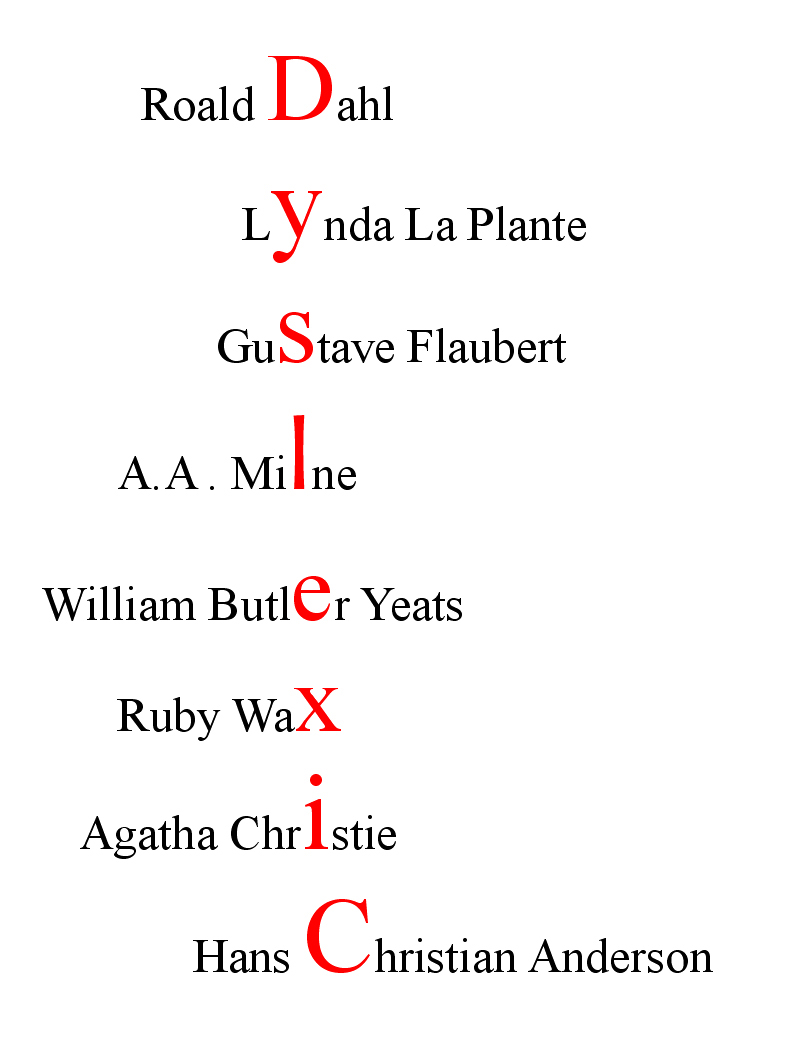
    Through the years, I have come to understand that learning disabilities are real and they do impair children, but more tragic than learning disabilities is the loss of passion and childhood.

    Complementing Special Needs School and Therapies

    I am sure the folks at the Special Needs school are well-meaning, and they have probably put up the best programs for our special needs children. I am also sure these programs are effective.  Therefore, it is wise to use these resources if we get access to them.

    Yet as parents, my experience tells me that we should do more than just sending our autistic children to therapies. More importantly, we must do what we would for any other children and look into their passion and help them find themselves.

    Parents will always know their children the best, and should not believe experts or educators who claim that they know our children’s learning styles and passion better.

    And, no matter how deficient we think our children are, high functioning or low functioning, we should never, ever believe that they have no unique gift, just not found. It is our job to look deeper and dig that diamond out to polish.

    The journey is tiresome, and our job as a parent is the same no matter what kind of kid we are given: we are to bring the best out of him.

    Will talk about how to find a child’s passion (Special Needs or Neurotypical – normal) in another article.[/vc_column_text][/vc_column][/vc_row]

  • Denying Dyslexia

    Denying Dyslexia

    [vc_row type=”in_container” full_screen_row_position=”middle” column_margin=”default” column_direction=”default” column_direction_tablet=”default” column_direction_phone=”default” scene_position=”center” text_color=”dark” text_align=”left” row_border_radius=”none” row_border_radius_applies=”bg” overlay_strength=”0.3″ gradient_direction=”left_to_right” shape_divider_position=”bottom” bg_image_animation=”none”][vc_column column_padding=”no-extra-padding” column_padding_tablet=”inherit” column_padding_phone=”inherit” column_padding_position=”all” background_color_opacity=”1″ background_hover_color_opacity=”1″ column_shadow=”none” column_border_radius=”none” column_link_target=”_self” gradient_direction=”left_to_right” overlay_strength=”0.3″ width=”1/1″ tablet_width_inherit=”default” tablet_text_alignment=”default” phone_text_alignment=”default” column_border_width=”none” column_border_style=”solid” bg_image_animation=”none”][vc_column_text]If not for the current dyslexia epidemic, I would never know that my mother has a ‘learning disability’, for though she speaks three languages and three dialects fluently, she still jumbles up telephone numbers and has great difficulty reading. I also would not have guessed that I have inherited the same from her.

    You see, I still cannot tell my left from my right, have no hand dominance and don’t believe in phonetics because I never learned reading through them. But I read perfectly and write better than many non-dyslexics, and I will explain to you how we learn.

    I am blessed, for in our generation, we seldom hear of dyslexia, and I always thought my uniqueness was a gift rather than a deficiency and used them to the fullest while growing up.

    Though my parents could not read any word with more than three letters, I figured how to read in English when I was just three. Nobody taught me phonetics. It was only later I realized I had a unique ability many dyslexic kids have: eidetic memory.

    Eidetic memory is also photographic memory. Sadly, much as I wish I still have that ability, I realized it was gone when I was in my twenties. Researchers believe that this ability has nothing to do with intelligence and while I am not sure if that is true, I know that I depended on this to learn to read.

    While other kids were learning how to pronounce and spell, I simply ‘took photographs’ of everything and drew upon this ‘database’.

    Learning to read words was not difficult, I stored the ‘look’ of the word and associated that with the word usage and its sound. When the same word is presented, I simply reproduce the sound. As I grew older, I figured what phonetics was and learned that by first learning words. So you see, the learning to read is reversed for people like me. We cannot learn phonetics and then read, we learn to read, figure out how phonetics work, and then learn to read other words using the phonetics.

    Sadly, this taking photographs technique cannot last forever and for many, the photographic memory disappears at six. Some researchers believe it is due to altered memory processes. Fortunately for me, another skill evolved. With the loss of my ‘internal camera’, I learned to break big problems into smaller pieces to understand and solve small puzzles one at a time, because small pieces of solutions were easy to remember.

    These days, I realized I am like other people, I process very similarly. Some people believe it is because we learned to compensate for our disability, I choose to believe it is not even a disability, but a different ability. And though I have read hundreds of academic journals and articles, gone through thousands of textbooks and millions of magazines, I still have not read a single novel. I still cannot finish a book properly. Since reading is still a chore (and ironically part of my job), I am choosy and I must find a reason to motivate me to read anything.

    I often look at my own children and admire their abilities to read books, one of my sons can read 20 novels a day and regurgitates all the information. It is strange because by statistics, each of my children have a 40% to 60% chance of being dyslexic, meaning two or three of my children should inherit this from me. Yet none of them is diagnosed with this disability.

    I kept my oldest son’s P1 writing of his own name, his ‘J’ turned the wrong way, his ‘a’ looks like a ‘p’. His ‘7’ is laterally inverted. My youngest (#5) jumps from one line to another while reading. The psychologist told me my #4 has an eye-tracking problem and he would skip a line or two when he read. But you know what?

    It did not matter one bit whether any of my kids is dyslexic or not, because it is not even important, it would not have changed one bit how I would have brought them up or taught them to read and write.

    It was great I did not bother to second guess if they were ‘disabled’ and just kept exposing them to words, good books and good reading materials. They learned to read anyway, and way above their age level. If they had ‘disabilities’, i believe they would have found some ways to compensate them. My job was just keep on encouraging, making reading fun and providing great materials to them from young, so reading becomes a second nature and dyslexia cannot have a chance.

    My son’s psychologist told me that because his comprehension is so good, he is able to compensate his eye-tracking problem, for whatever he skips, his superior comprehension made up for the lack.

    So if your child is really young, provide the right opportunities. If you want the child to have a great academic future, he/she needs to be able to read, so open those doors for that. Buy the books, go to the library, switch off the television, provide a good reading curriculum and read to the child cozily.

    You will be so glad that even if he is born a dyslexic, nobody will ever need to know.[/vc_column_text][/vc_column][/vc_row]

  • Executive Function and Disorders

    Executive Function and Disorders

    [vc_row type=”in_container” full_screen_row_position=”middle” column_margin=”default” column_direction=”default” column_direction_tablet=”default” column_direction_phone=”default” scene_position=”center” text_color=”dark” text_align=”left” row_border_radius=”none” row_border_radius_applies=”bg” overlay_strength=”0.3″ gradient_direction=”left_to_right” shape_divider_position=”bottom” bg_image_animation=”none”][vc_column column_padding=”no-extra-padding” column_padding_tablet=”inherit” column_padding_phone=”inherit” column_padding_position=”all” background_color_opacity=”1″ background_hover_color_opacity=”1″ column_shadow=”none” column_border_radius=”none” column_link_target=”_self” gradient_direction=”left_to_right” overlay_strength=”0.3″ width=”1/1″ tablet_width_inherit=”default” tablet_text_alignment=”default” phone_text_alignment=”default” column_border_width=”none” column_border_style=”solid” bg_image_animation=”none”][vc_column_text]It was part of my Friday routine to go to the school’s lost and found counter to ask for Big Boy’s five missing water bottles. When my son was little, he used to lose everything you can imagine: his shirts, lunch boxes and his glasses. He was punished by his teachers once for going to school with unmatched shoes because he had lost one side of each pair.

    His unusual forgetfulness drove me to find answers from different sources, and I found out that his executive abilities were either underdeveloped or dysfunctional.

    Some professionals told me about Executive Dysfunction, and felt sorry for me. You can read about this condition here.

    Some say what he has is related to ADHD or a other mental disorders.  It set me on panic mode and after going in circles trying to get this forgetfulness illness diagnosed, I realized it did not matter whether his executive abilities were developing later than others or that he had a disorder.  It was much more important to help him cope.

    Fortunately, I know many ‘forgetful professors’ and meet them on a daily basis.  Just that in Asia, forgetful professors are not as common.  Forgetful and administratively poor people get squeezed out along their academic journeys to make way for the more conscientious and administratively sound ones who may or may not be as talented as them in other areas.

    The reality is that organized and responsive people are often appreciated and well-liked.  Those who are weak in these areas are placed on the back-benches until they make some astounding discoveries to change other people’s perceptions on them.[/vc_column_text][vc_row_inner column_margin=”default” column_direction=”default” column_direction_tablet=”default” column_direction_phone=”default” text_align=”left”][vc_column_inner column_padding=”no-extra-padding” column_padding_tablet=”inherit” column_padding_phone=”inherit” column_padding_position=”all” background_color_opacity=”1″ background_hover_color_opacity=”1″ column_shadow=”none” column_border_radius=”none” column_link_target=”_self” gradient_direction=”left_to_right” overlay_strength=”0.3″ width=”1/2″ tablet_width_inherit=”default” column_border_width=”none” column_border_style=”solid” bg_image_animation=”none”][vc_column_text]Until they become the Einsteins, our mission as parents is the same whether our children are weak academically, socially or lack executive functioning skills. Our responsibility is to help them overcome the obstacles and mitigate their weaknesses so that they succeed and become happy people. We are here to be their advocates.[/vc_column_text][/vc_column_inner][vc_column_inner column_padding=”padding-4-percent” column_padding_tablet=”inherit” column_padding_phone=”inherit” column_padding_position=”all” background_color=”#960000″ background_color_opacity=”1″ background_hover_color_opacity=”1″ font_color=”#ffffff” column_shadow=”none” column_border_radius=”none” column_link_target=”_self” gradient_direction=”left_to_right” overlay_strength=”0.3″ width=”1/2″ tablet_width_inherit=”default” column_border_width=”none” column_border_style=”solid” bg_image_animation=”none”][vc_column_text]Read some of Einstein’s incredible real life stories here. [/vc_column_text][/vc_column_inner][/vc_row_inner][vc_column_text]

    Teachers’ Nemesis

    When Big Boy was in primary two, his teacher called me into the school to show me a pile of worksheets and workbooks that he had not done throughout the year.  In fact, he did no work at all.

    As he was among the top ten students in the school, I was not too concerned about his academic ability, so I asked the teacher to get him to do the work if she wanted.  Not surprisingly, she said the class size was too big and she couldn’t do it.  Sadly, we left it there.

    The situation got worse when he was in the secondary school.  With the increase in the number of subjects and projects, he simply could not function, and would lose all his worksheets and schedules.  Though he had good school teachers who would copy, recopy, and re-recopy everything for him, he would lose them all. It is not surprising that the teachers started to disbelieve his forgetfulness and deduced that he was disinterested and defiant.

    Out of desperation, they would call me up and asked me to monitor him.  I tried my best, but it was difficult to read minds and predict what worksheets he had lost and what tests and examinations he had forgotten.

    Involuntary Defiance

    What the teachers did not know was that he was more desperate than them. Having spent eight years trying and not coping with these organization and administrative problems in school, and tired of explaining why he forgot, he decided that if he agreed with them he was not interested and bad, they would leave him alone.

    It was then I realized what pain he had gone through, how hard he tried and tried and still failed, and how much he really wanted to do well but could not.  We found out no matter how hard he tried, he would still fall short.

    Fortunately, he inherited the same problem from his mother. I spent most of my primary school years being punished outside my classroom for bringing the wrong books.  Nobody would believe me when I told them I had spent the whole evening trying to remember which books to bring and resorted to bring everything.  Somehow, I still managed to forget something every day. I recalled my own struggles and was determined to help him.

    From experience, I know that the inability to remember administrative things is involuntary.  The skills to organize and administer, just like intellectual and social skills,  develop at different rates for different people.  I have lost count of the number of wallets, bus passes and umbrellas I had to replace  as a child and then as a teenager.

    Though some people are born gifted with the ability to organize, others like us will have to learn to cope.  As an adult, I read articles, researched and trained myself to find coping strategies.  I created simple strategies: I always travel with only ONE big bag, don’t carry things in my hand, don’t put important things on other people’s tables, answer every email at once and only once, keep an electronic calendar to the minute. In fact, I plan all the meals of the week in advance, and the routes I would travel before I turn my car engine on.

    When suitable strategies are in place and worked into a routine, it is possible to function, succeed academically, pay bills, have multiple children and become a high flying executive.  It is even possible to excel  especially if we find complementing help in a secretary, a partner, a spouse or a parent. In fact, I became very efficient and can juggle many roles better than an average person.

    Executive Dysfunction can ‘Go Away’

    For most children whose development in executive function fall behind their development in other intelligence, I found out that this imbalance normally corrects itself in the late teens.

    Before that goes away, we as parents must work hard so that our children at least keep up with the work required of them.  We must chip in to help, teach time management and organization skills, and look out for tools to phase them into self-reliance.

    The good news is, I learned that those of us who are poor in this area can become better than those who are naturally gifted simply because we will search and find new technologies and people to assist us in our planning and organization.

    Einstein had his mother, and then his wife and a driver to help him.  Bill Gates had a wonderful mother and smart wife, too. I believe that the difference between a successful genius and a misunderstood one is that parent who would be his/her champion.

    Big Boy’s executive dysfunction did suddenly ‘disappear’ when he went to the university at fourteen: he could hand up his assignments, finish his projects and organize his own things.  Though he still gets messy and disorganized when stressed, he managed to complete his degree at eighteen without help from his parents.

    I often wonder whether it was because he was so enthusiastic with his studies that he tried extra hard to ensure his weaknesses were mitigated, or it was because he had great classmates who looked out for him and kept him in check.

    So if you have a child who is so gifted in other areas that his executive function falls behind and into judgmental eyes, would you crucify him for what he lacks, or would you patiently work and put things in place for him until he finds his next champion or develop his own planning methodologies and coping strategies?[/vc_column_text][/vc_column][/vc_row]

  • Academic Success or Childhood?

    Academic Success or Childhood?

    [vc_row type=”in_container” full_screen_row_position=”middle” column_margin=”default” column_direction=”default” column_direction_tablet=”default” column_direction_phone=”default” scene_position=”center” text_color=”dark” text_align=”left” row_border_radius=”none” row_border_radius_applies=”bg” overlay_strength=”0.3″ gradient_direction=”left_to_right” shape_divider_position=”bottom” bg_image_animation=”none”][vc_column column_padding=”no-extra-padding” column_padding_tablet=”inherit” column_padding_phone=”inherit” column_padding_position=”all” background_color_opacity=”1″ background_hover_color_opacity=”1″ column_shadow=”none” column_border_radius=”none” column_link_target=”_self” gradient_direction=”left_to_right” overlay_strength=”0.3″ width=”1/1″ tablet_width_inherit=”default” tablet_text_alignment=”default” phone_text_alignment=”default” column_border_width=”none” column_border_style=”solid” bg_image_animation=”none”][vc_row_inner column_margin=”default” column_direction=”default” column_direction_tablet=”default” column_direction_phone=”default” text_align=”left”][vc_column_inner column_padding=”padding-4-percent” column_padding_tablet=”inherit” column_padding_phone=”inherit” column_padding_position=”all” background_color=”#960000″ background_color_opacity=”1″ background_hover_color_opacity=”1″ font_color=”#ffffff” column_shadow=”none” column_border_radius=”none” column_link_target=”_self” gradient_direction=”left_to_right” overlay_strength=”0.3″ width=”1/1″ tablet_width_inherit=”default” column_border_width=”none” column_border_style=”solid” bg_image_animation=”none”][vc_column_text]How is giving a child materials that challenges him depriving him of his childhood? By igniting a child’s passion in learning what he is passionate about, what he is good at, we actually give him a better childhood.[/vc_column_text][/vc_column_inner][/vc_row_inner][vc_column_text]”The ministry’s view is that they need to have a chance to grow up and enjoy childhood” These words rang in my ears for almost a month now. That was the response I got from a MOE senior staff when I asked her about the ministry’s view of acceleration.

    So this thought has been lingering in my head: are we really robbing a child’s chance to grow up when we allow him to learn at his own pace and give him work that really challenges him?

    I can never understand Grade 1 and Grade 2 work for many children who have already attended kindergarten. We teach at kindy reading, addition and subtraction, yet, when they get to Grade 1, we find ways and means to reteach them the same things, with different or prescribed methods, termed ‘the syllabus’.

    Little One did not learn to read nor add by the time he went to Grade 1. His kindy teacher was super worried, I wasn’t. I was more curious how many of the rest of the 30 in his class already knew addition and had to relearn what they knew.

    It doesn’t matter if they know how to add 3 digits, do simultaneous equations or percentages accurately by Grade 1, but as long as they do not show the right workings or use the right prescribed methods, they are marked wrong. Their self-esteems get a hit, and some get confused, some get anxious.

    What if, instead of reteaching a new method, we give a child who already knows how to add, a chance to explore and materials that challenge him to stretch his mind? Does it really stop him from enjoying his childhood?

    Well-meaning educators advise us that acceleration must inevitably be accompanied by a lot of school work. Concerned parents think the kids’ brains must be bursting from all the knowledge that is being squeezed in on a daily basis. Cynical friends think that there must be some short cuts they wished they knew, so that they too can hot house their kids. The media like to sensationalise that such prowess must somehow be compensated.

    Admittedly, I am a recipient of all of the above, having chosen to allow my kids to explore wherever their minds’ eyes could see, instead of what is prescribed to them. I allow them to do whatever they are capable of, instead of allowing the system dictate to me what they should be doing. I allow them to be civil disobedient to the education system of the world.

    How about forgetting about number bonds for kids who already know how to add and subtract? How about letting a child who already knows how to tell time do something else rather than relearning what is 7 o’clock and half past six?

    Here’s the reality. My kids do not spend more than 1 hour doing homework outside of school hours. When they were homeschooled, they spent 2 hours studying everyday. I simply don’t believe in teaching a same concept in 5 different ways, and doing 100 pages of the same thing after the child already knows it well.

    Education is not just academic. I saw my responsibility inclusive of building their life skills. The kids are able to fix their own meals since five. The boys do their own laundry weekly and iron their shirts on Sundays. The girls sew their own dresses and shorts, and bake to share with their friends every week.

    They do sports with pride and integrity and are expected to take responsibility of their music talents from young with four finishing all their grades by 11. No, they don’t study 24 x 7.Far from it.

    So I have a thought again whether I deprived my children of their childhood. Hm… I’d to think that I used their childhood to learn to be lifelong learners, and not only for academic pursuits.

    Every once in a while, I do secretly compare my kids, who are all accelerated academically four to seven years, to those who have to spend hours and hours in and out of tuition centers, enrichment centers, pools and courts, and music studios.

    I have a pretty good idea who has a better childhood. It is because (and not in spite) of our choice to protect their childhood that they have gained academic success.[/vc_column_text][/vc_column][/vc_row]

  • Parenting Teenagers and Adolescents

    Parenting Teenagers and Adolescents

    [vc_row type=”in_container” full_screen_row_position=”middle” column_margin=”default” column_direction=”default” column_direction_tablet=”default” column_direction_phone=”default” scene_position=”center” text_color=”dark” text_align=”left” row_border_radius=”none” row_border_radius_applies=”bg” overlay_strength=”0.3″ gradient_direction=”left_to_right” shape_divider_position=”bottom” bg_image_animation=”none”][vc_column column_padding=”no-extra-padding” column_padding_tablet=”inherit” column_padding_phone=”inherit” column_padding_position=”all” background_color_opacity=”1″ background_hover_color_opacity=”1″ column_shadow=”none” column_border_radius=”none” column_link_target=”_self” gradient_direction=”left_to_right” overlay_strength=”0.3″ width=”1/1″ tablet_width_inherit=”default” tablet_text_alignment=”default” phone_text_alignment=”default” column_border_width=”none” column_border_style=”solid” bg_image_animation=”none”][vc_row_inner column_margin=”default” column_direction=”default” column_direction_tablet=”default” column_direction_phone=”default” text_align=”left”][vc_column_inner column_padding=”no-extra-padding” column_padding_tablet=”inherit” column_padding_phone=”inherit” column_padding_position=”all” background_color_opacity=”1″ background_hover_color_opacity=”1″ column_shadow=”none” column_border_radius=”none” column_link_target=”_self” gradient_direction=”left_to_right” overlay_strength=”0.3″ width=”1/2″ tablet_width_inherit=”default” column_border_width=”none” column_border_style=”solid” bg_image_animation=”none”][vc_column_text]As a mother of 5, I grapple with the right way to bring up my five very different children. Do we treat them as friends? Should we be lenient or fierce? Someone asked me if I punish my child for not playing the piano?(the answer is sometimes)

    It is dangerous to treat your teenagers as friends. Having raised 3 teenagers by now, they are already in their late teens and teenage is almost over. I can reflect and say that fortunately, my kids did not give me teenage heartaches except for very small, transitional ones.[/vc_column_text][/vc_column_inner][vc_column_inner column_padding=”padding-4-percent” column_padding_tablet=”inherit” column_padding_phone=”inherit” column_padding_position=”all” background_color=”#960000″ background_color_opacity=”1″ background_hover_color_opacity=”1″ font_color=”#ffffff” column_shadow=”none” column_border_radius=”none” column_link_target=”_self” gradient_direction=”left_to_right” overlay_strength=”0.3″ width=”1/2″ tablet_width_inherit=”default” column_border_width=”none” column_border_style=”solid” bg_image_animation=”none”][vc_column_text]3 years on, among my children, there is nobody officially a child: just three teenagers and two adults and we live in three different accommodations, two different continents. I suspect, in two more years, we will be in four continents. Time does funny tricks.[/vc_column_text][/vc_column_inner][/vc_row_inner][vc_column_text]It is dangerous treating them as friends because they are not your friends, they are our responsibilities and they need to know we set the rules and are the authorities, and that cannot be compromised. However, my kids know that they can always come to me for anything and I will listen and work out any issue with them. Even if the whole world is against them, they know I will be by (though I may not be on) their side, without deviation.

    Being a good listener and being there for the kids are important, so is assuring them you have gone through more than them and therefore will know certain circumstances, certain issues better than them and their friends.

    I am not sure if I sound really harsh, but if I do, then perhaps I have overly emphasized the importance of being a parent and not a friend, for a good reason.

    Over the last 20 years, I have seen how my children have changed from taking everything I say as the ultimate truth, to challenging what I say and peer-influenced, back to realizing what I say make sense afterall, one full cycle. Those teenage years were not difficult because when they challenged me, I would hear them out completely but always told them my decision was final, sometimes to their dismal, but they got used to realizing who the authorities in the house are.

    My kids are now big, my girls will still share their boy friend fancies with me, their crazy fashion sense (they buy my clothes), their secret admirers and admirees and most of all, they will listen to me for hours sharing my tips of life.

    I think, if we want to have them as friends when we grow old and they have become adults, we must first support them as adults and responsible parents and not just another friend.

    Just my honest opinion, and experience from an ‘older’ mother. So listen and do not judge, but be firm. Now, I tell them they can bring their children in a few years and I will find a way to look after each of my grandchildren, while they build their careers.

    Hm… those childcare scares are getting into me… again. I want my children to now focus on building their families and careers as they prepare for their twenties and careers not worry about such things.[/vc_column_text][/vc_column][/vc_row]

  • Brighten the Corner where you are

    Brighten the Corner where you are

    [vc_row type=”in_container” full_screen_row_position=”middle” column_margin=”default” column_direction=”default” column_direction_tablet=”default” column_direction_phone=”default” scene_position=”center” text_color=”dark” text_align=”left” row_border_radius=”none” row_border_radius_applies=”bg” overlay_strength=”0.3″ gradient_direction=”left_to_right” shape_divider_position=”bottom” bg_image_animation=”none”][vc_column column_padding=”no-extra-padding” column_padding_tablet=”inherit” column_padding_phone=”inherit” column_padding_position=”all” background_color_opacity=”1″ background_hover_color_opacity=”1″ column_shadow=”none” column_border_radius=”none” column_link_target=”_self” gradient_direction=”left_to_right” overlay_strength=”0.3″ width=”1/1″ tablet_width_inherit=”default” tablet_text_alignment=”default” phone_text_alignment=”default” column_border_width=”none” column_border_style=”solid” bg_image_animation=”none”][vc_column_text]Summer is over for us, and as I leave Singapore once more to return only in the winter months, a new season has begun. Through the years, I found that I have to first be where I am needed by my family and then find a career or my calling in whatever situation I find myself in. Life for me as a mother is about brightening the corner where I have to be.

    [/vc_column_text][nectar_btn size=”large” open_new_tab=”true” button_style=”regular” button_color_2=”Accent-Color” icon_family=”none” text=”An inspiring story and song from Ina D. Og­don ” url=”https://cyberhymnal.org/htm/b/r/brighten.htm”][vc_column_text]This time round, it means to take a long leave from my job. In preparation, I have already rounded meaningful projects I would like to work on for the next few months, i.e. to create courses and build a small company that will create value for others.

    Just like many of my graduate girlfriends, I had high hopes for my career when I went to the university. In those days, only the top 5% were graduates, and I was a post graduate. I thought I would have a really great career. I did, but in an unexpected way.

    Over the years, I saw many of my really smart, respectable friends give up their careers to look after their families.  Some were partners in law firms, some gave up their practice as doctors or sold their businesses, other good honors graduates quit their engineering, accounting and HR jobs for a higher calling to be mothers.

    I am one of the fortunate ones who manages to marry full-time work with a big family, and the only way I could do it was to be flexible and do whatever small things I could in whatever situation I find myself in.

    As my older daughter graduates and as my son faces challenges in his new phase of life, I found it necessary to spend more time to transformed myself into a career counselor and coach.  Once more, I leave my own career comfort zone to find my own value add in the wilderness.

    I look forward to more exciting journeys with the children, and continue to seek out good prospects wherever I may have to go to support them.  Life as a mother is exciting that way, I have never placed my career a priority, yet even so, I have been blessed with exciting career choices.

    And one more time, I know not what the outcome will be, just that it will be good. I will continue to brighten the corner where I am.

    The Gift of Education > Asian or Western[/vc_column_text][/vc_column][/vc_row]

  • Parents Matter in Education

    Parents Matter in Education

    [vc_row type=”in_container” full_screen_row_position=”middle” column_margin=”default” column_direction=”default” column_direction_tablet=”default” column_direction_phone=”default” scene_position=”center” text_color=”dark” text_align=”left” row_border_radius=”none” row_border_radius_applies=”bg” overlay_strength=”0.3″ gradient_direction=”left_to_right” shape_divider_position=”bottom” bg_image_animation=”none”][vc_column column_padding=”no-extra-padding” column_padding_tablet=”inherit” column_padding_phone=”inherit” column_padding_position=”all” background_color_opacity=”1″ background_hover_color_opacity=”1″ column_shadow=”none” column_border_radius=”none” column_link_target=”_self” gradient_direction=”left_to_right” overlay_strength=”0.3″ width=”1/1″ tablet_width_inherit=”default” tablet_text_alignment=”default” phone_text_alignment=”default” column_border_width=”none” column_border_style=”solid” bg_image_animation=”none”][vc_column_text]Psychologists of all persuasions, believe the parents were responsible, one way or the other, for whatever went wrong with a child.  They were exceptionally harsh with the mother.  Yet, the success of a child’s education is often attributed to the education system and not the parent.  I agree with Nobel-winning economist James Heckman that parents are vital in the whole education ecosystem.

    I propose a few areas that parents must look into to support the academic needs of the children:

    • Building cognitive and non-cognitive skills at early childhood
    • Providing a secure environment at home
    • Instilling the passion for learning
    • Inculcating good study habits
    • Imparting appropriate social and behavioral skills
    • Supporting creativity and individual intelligence

    Building Cognitive and Non-cognitive Skills at Early Childhood

    In 2006, James Heckman introduced a new level of analysis into the importance of family in mediating the cognitive (intellectual) and non-cognitive (socio-emotional) skills development of children in the early years. In particular, Heckman shows how this distinction has become increasingly important in light of interventions exploring how children can successfully overcome disadvantage in a sustainable manner.

    During a child’s early years, it is crucial to work on both the cognitive and non-cognitive skills.

    Cognitive or Thinking Skills

    Cognitive skills are critical for learning.  These skills are often measured in IQ tests. They involve:

    • Attention Skills: The attention skills of our brain allow us to focus on one part of what is going on around us while at the same time ignoring, to some degree, other things that are going on at the same time. Attention skills are necessary for us to be able to take information from our senses (like seeing and hearing) and transfer it into our brain for use in thinking, learning, problem solving and memory.
    • Memory: The ability to store and recall information.  In psychology, it is often broken down to sensory memory, short term (or working) memory and long term memory.
    • Logic and Reasoning: These skills are vital especially for studying mathematics and abstract reasoning.  It involves the ability to reason, form concepts, and solve problems using unfamiliar information or novel procedures. Problem-solving ability to draw conclusions and come up with solutions by analyzing the relationships between given conditions.
    • Auditory Processing: Auditory processing is the brain’s ability to accurately perceive speech in both quiet and noisy settings.  The brain can detect, analyze and discriminate small differences in pitch, loudness and duration.  Auditory processing skill is crucial for reading and spelling. Weakness in any of the auditory processing skills will greatly hinder learning to read, reading fluency, and comprehension.
    • Visual Processing: Visual processing is the ability that allows processing and interpreting from the visual information.  Visual perception plays an important role in spelling, mathematics, and reading.  A deficit may lead to difficulties in learning, recognizing, and remembering letters and words, learning basic mathematical concepts of size, magnitude, and position, confusing likeness and minor differences, mistaking words with similar beginnings, distinguishing the main idea from insignificant details, and poor handwriting.
    • Processing Speed: Processing Speed is one of the measures of cognitive efficiency or cognitive proficiency.  It involves the ability to automatically and fluently perform relatively easy or over-learned cognitive tasks, especially when high mental efficiency is required.  It relates to the ability to process information automatically and therefore speedily, without intentional thinking through. Very often, slow processing is one root of ADHD-type behaviors. Symptoms of weaknesses here include homework taking a long time, always being the last one to get his or her shoes on, or being slow at completing even simple tasks.

    Non-cognitive Skills

    Non-cognitive skills are mental constructs that are believed to contribute to academic success, but do not contribute directly to academic outcomes (like cognitive skills).

    They include motivation, grit, self-regulation, social skills and personality factors.

    While it is believed that cognitive abilities are set by 8, non-cognitive abilities continue to grow into adolescence.  Prof Heckman’s studies in 2006 also shows that the academic success of students depends on their non-cognitive skills especially at higher levels.

    Angela Lee Duckworth in a 2013 Ted talk believes grit is the single most important factor for academic success.[/vc_column_text][vc_column_text]

    Example: Singapore Parents Supporting Cognitive Skills

    Singapore students fare very well in an international studies on academic abilities.  In the Programme for International Student Assessment (PISA) 2009, conducted by Organisation for Economic Cooperation and Development (OECD),  Singapore students had the second highest proportion (12.3%) of students who are top performers in all three domains in Reading, Mathematics and Science.  Singapore’s education is an envy of many countries, and the Singaporean parents have the biggest part to play.[/vc_column_text][vc_row_inner column_margin=”default” column_direction=”default” column_direction_tablet=”default” column_direction_phone=”default” text_align=”left”][vc_column_inner column_padding=”no-extra-padding” column_padding_tablet=”inherit” column_padding_phone=”inherit” column_padding_position=”all” background_color_opacity=”1″ background_hover_color_opacity=”1″ column_shadow=”none” column_border_radius=”none” column_link_target=”_self” gradient_direction=”left_to_right” overlay_strength=”0.3″ width=”1/2″ tablet_width_inherit=”default” column_border_width=”none” column_border_style=”solid” bg_image_animation=”none”][vc_column_text]A Singaporean child can do well in any education system because there is at least one concerned parent behind him/her. It is not surprising if you look at the after-school tuition rate. An amazing 97% of Singaporean children go for tuition, higher even compared to other Asian countries like South Korea and Hong Kong with 90% each. Truly, for whatever reasons, Singaporean parents have made tuition part of the education system, and often, how well a child does is correlated to the number of tuition hours he/she receives.[/vc_column_text][/vc_column_inner][vc_column_inner column_padding=”padding-4-percent” column_padding_tablet=”inherit” column_padding_phone=”inherit” column_padding_position=”all” background_color=”#960000″ background_color_opacity=”1″ background_hover_color_opacity=”1″ font_color=”#ffffff” column_shadow=”none” column_border_radius=”none” column_link_target=”_self” gradient_direction=”left_to_right” overlay_strength=”0.3″ width=”1/2″ tablet_width_inherit=”default” column_border_width=”none” column_border_style=”solid” bg_image_animation=”none”][vc_column_text]While Singapore is an excellent example of how parents can support and propel their offspring to academic excellence, it is imperative to add that the excessive use of tuition can impair a child’s non-cognitive skill development.[/vc_column_text][/vc_column_inner][/vc_row_inner][vc_column_text]With the immense support from parents in the education process, even with one of the highest student-ratio and the smallest education budget (% of GDP) amongst the first world countries, Singapore manages to produce excellent academic results.

    People often credit that to the education system, and I agree. Just that my definition of education system includes a vital group of people who would go all out to support their children academically.

    These parents take leave to gear their children for PSLE, an exam all twelve-year-olds take.  They take a whole year off to watch over their kids in the ‘critical academic’ years where their children have to sit standardized exams.  They stop their children from doing their favorite sports and the arts. They would scream at the children the moment a teacher calls to complain. They will also not hesitate to personally (or employ someone to) look over their children’s shoulders to ensure homework is done.

    They are a reliable source for teachers to turn to whenever their children fail to perform academically. They will find solutions. And, when all else fail, some are willing to take out a whip to discipline their children for poor performance.

    Take these parents away from the education system, and I am pretty sure our children will fair pretty differently in international tests. Singapore parents are the heroes in the education system.

    Having stayed in western countries, I witness the absence of such parents as they struggle to find the Asian secret to education success. Fingers point and tempers fly at the education ministers. I wonder if these people have ever looked deep within themselves to realize that if their parents won’t do their parts, their children will not strive academically no matter how good their systems are, and no matter how much the government spends.

    * Statistics by Sunday Times https://goo.gl/edjkYC

    **PISA assesses the extent to which 15-year-old students near the end of secondary education are able to analyse, reason and apply their knowledge and skills in unfamiliar settings so as to meet real-life challenges.

    The Gift of Education > Parentsmatter[/vc_column_text][/vc_column][/vc_row]

  • Einstein on Giftedness

    Einstein on Giftedness

    “Everybody is a genius. But if you judge a fish by its ability to climb a tree, it will live its whole life believing that it is stupid.” ~Albert Einstein

    Most people find it hard to believe that everyone is gifted, only IQ measures how clever we really are, and our potential success in school and career depends on that IQ number.  The fact is, all of us are gifted but in different ways. Einstein said that too.

    You can turn some of us upside down and we still can see things right-side up, but we cannot read as fast and we see things differently. They call us dyslexic, and to think that Leonardo da Vinci was like that.

    Some of us have supersonic sensual abilities and sensitive in hearing, sight, smell and touch, and can detect 10 different musical instrument parts in a piece, taste and smell 5 different ingredients in a dish, or sense the motions of things around us.

    It is therefore hard to sit in a normal school setting since everything is heightened and it becomes hard to function, so they say we have sensory integration disorder, and order us to go for therapies. In that case, Mozart and Gordon Ramsey would have to go for therapies too if they were born in this generation.

    Some of us love to study the links between unrelated things, the mosquitoes and a tsunami, sand and glass, then we ask too many questions and are irrelevant. Just like Einstein who was not accepted in schools and thought to be stupid.

    Since we have a passion for simple topics and study them to the ends, we are aspergers or autistic. Then, most professors in universities are aspergers since they are experts in only very few topics.

    If we were to measure people by just how the schools measure us, then most gifted are ignored and have to grow up thinking we are stupid (I did).

    Academic achievements, standardized and IQ tests cannot be the only means to measure even our own kids. So if you think or were told your child has a disability, then think again.

    In many occasions, I was told my children have disabilities, but I chose to think otherwise. Instead, I went to look deep into their capabilities, focus on developing their self-esteems and motivate them find their dreams and their passions, because going by a standard measurement, they would be failures.

    Interestingly, when they’ve found their passions, and when they have good self-esteems, they even fair well in standardized tests, which is a bonus.

    Decades after Einstein, Howard Gardner’s research on multiple intelligence went on to attract attention from educators and psychologists the world over.  He too believe there are many kinds of intelligence in people. He is still actively researching into this area at Harvard University today.

    If we are given a fish, instead of forcing our fish to climb a tree, let’s encourage our fish to swim its best, I’m glad his mother and his coach overlooked the ADHD and saw the fish in Michael Phelps.