
Archive for the ‘Schools’ Category

The Parental Road Less Travelled

[vc_row type=”in_container” full_screen_row_position=”middle” column_margin=”default” column_direction=”default” column_direction_tablet=”default” column_direction_phone=”default” scene_position=”center” text_color=”dark” text_align=”left” row_border_radius=”none” row_border_radius_applies=”bg” overlay_strength=”0.3″ gradient_direction=”left_to_right” shape_divider_position=”bottom” bg_image_animation=”none”][vc_column column_padding=”no-extra-padding” column_padding_tablet=”inherit” column_padding_phone=”inherit” column_padding_position=”all” background_color_opacity=”1″ background_hover_color_opacity=”1″ column_shadow=”none” column_border_radius=”none” column_link_target=”_self” gradient_direction=”left_to_right” overlay_strength=”0.3″ width=”1/1″ tablet_width_inherit=”default” tablet_text_alignment=”default” phone_text_alignment=”default” column_border_width=”none” column_border_style=”solid” bg_image_animation=”none”][vc_column_text]I feel a mix of emotions when I recall the day I decided I could not send Sunshine Boy to school anymore. Looking into the mirror, I firmly told myself, “If I don’t have a solution, then nobody will.” This moment marked a significant turning point in both our lives, symbolizing a deep sense of responsibility, determination, and the beginning of an unconventional educational journey.

Reading about Nathaniel who graduated from ANU at 13 with a perfect score reminds me of my own journey.

I am reminded of the day when I realized that traditional schooling was no longer an option for him. Despite his intellect, the conventional education system failed to accommodate his unique needs. He had only spent 4 years in primary school, out of which two was fraught with suspensions and he was completely disengaged in P4. These culminated in a meeting with the Ministry of Education in the presence of the Director of GEP, his principal and the Education Psychologist, where it was suggested he be isolated from his peers.

Faced with limited options, I sought alternatives, but encountered roadblocks. They advised that given his learning disabilities, he should be attending therapies instead of class. Suggested schools like Pathlight was not appropriate for him according to our own psychologist. We explored the option of enrolling him in international schools, but the administrators at these schools informed us that while they had successfully obtained Ministry of Education (MOE) approval for gifted girls, their efforts to do the same for gifted boys like my son had never been fruitful. They advised us that pursuing this path might not be worthwhile, both in terms of effort and the associated administrative costs.

Determined to provide him with the education he deserved, I improvised. I crafted a makeshift uniform for him and integrated him into my daily routine at Singapore Management University where I taught. Our days began with a simple breakfast ritual at Koufu, featuring lor mai kai and milo, before diving into academic work. I prepared a syllabus for him, and he had to study on his own for three to four hours while I lectured in the university. In just six months, we covered the entire high school curriculum, enabling Sunshine Boy to apply to university at the age of 11.

His educational journey didn’t stop there. As Sunshine Boy wanted badly to go to school, I had to look for alternatives so that he could play with his age peers. While overseas, he concurrently attended primary school and university. At 15, he expressed a desire to experience high school, which we honoured, so he spent two years attending just high school with his friends and playing tennis for the school. By 17, he celebrated his graduation, marking the end of a challenging yet rewarding path.

Throughout this journey, I’ve shared our experiences on social media and encountered a variety of responses. Some offer support, others express curiosity about our unconventional approach, and many reach out for guidance, facing similar challenges with their atypical children.

To those who empathize with and recognize our struggles, I extend my deepest thanks. For the inquisitive, I wish to clarify that, if possible, I would have chosen a traditional educational route for my child. However, our unique situation required a different approach. There’s a common misconception that radical acceleration in a child’s education necessitates intense, pressured learning, or ‘hothousing.’ I disagree with this notion. If a child must be pushed to the limits to achieve rapid advancement, it contradicts the very principle of tailoring education to the child’s natural pace and abilities.

In my view, radical acceleration is not a first choice but a necessary intervention. It’s a crucial step, particularly vital for bolstering the self-esteem and self-worth of a child who may have been deemed lacking in other areas, such as social skills or physical abilities, by experts. As parents and educators, our role is to create pathways for success, adapting our strategies to meet the unique needs and talents of each child.

This is at the heart of the advice I offer to those in need of guidance: the importance of tailoring education to fit the child, rather than forcing the child to conform to the education system. It’s essential to align each child’s education with their path to success, which requires a profound understanding of their individual needs. For some, this may mean accelerating their education, while for others, a slower pace is more beneficial. Success for one child might be found on the sports field, while for another, it could be in artistic or aesthetic achievements.

Drawing from my experiences with my children, I have established a school dedicated to nurturing children with exceptional capabilities. We have encountered a diverse array of children, each with their unique gifts, challenges, and issues. Like Nathaniel, many have flourished in their own unique ways and on their own terms. So I know that, no matter what you are facing, there are solutions.

Most importantly, no matter the opinions of experts regarding a child’s abilities or limitations, the ultimate responsibility for a child’s education rests with the parents. This duty involves adapting to their distinctive needs and ensuring the preservation of their self-worth and esteem. It’s crucial to remember that every child’s educational path is distinct, and sometimes, opting for a less traditional route can lead to the most gratifying achievements.[/vc_column_text][/vc_column][/vc_row]
How the pandemic forced us to relook education

[vc_row type=”in_container” full_screen_row_position=”middle” column_margin=”default” column_direction=”default” column_direction_tablet=”default” column_direction_phone=”default” scene_position=”center” text_color=”dark” text_align=”left” row_border_radius=”none” row_border_radius_applies=”bg” overlay_strength=”0.3″ gradient_direction=”left_to_right” shape_divider_position=”bottom” bg_image_animation=”none”][vc_column column_padding=”no-extra-padding” column_padding_tablet=”inherit” column_padding_phone=”inherit” column_padding_position=”all” background_color_opacity=”1″ background_hover_color_opacity=”1″ column_shadow=”none” column_border_radius=”none” column_link_target=”_self” gradient_direction=”left_to_right” overlay_strength=”0.3″ width=”1/1″ tablet_width_inherit=”default” tablet_text_alignment=”default” phone_text_alignment=”default” column_border_width=”none” column_border_style=”solid” bg_image_animation=”none”][vc_column_text]Prior to the pandemic, it seemed that the epitome of a good education was only found in elite schools, augmented by endless after-school enrichment, tuition and supplementary classes. Many parents believed that the more their children left their homes for academic pursuits, the better their chances of doing well in school.

The Pandemic

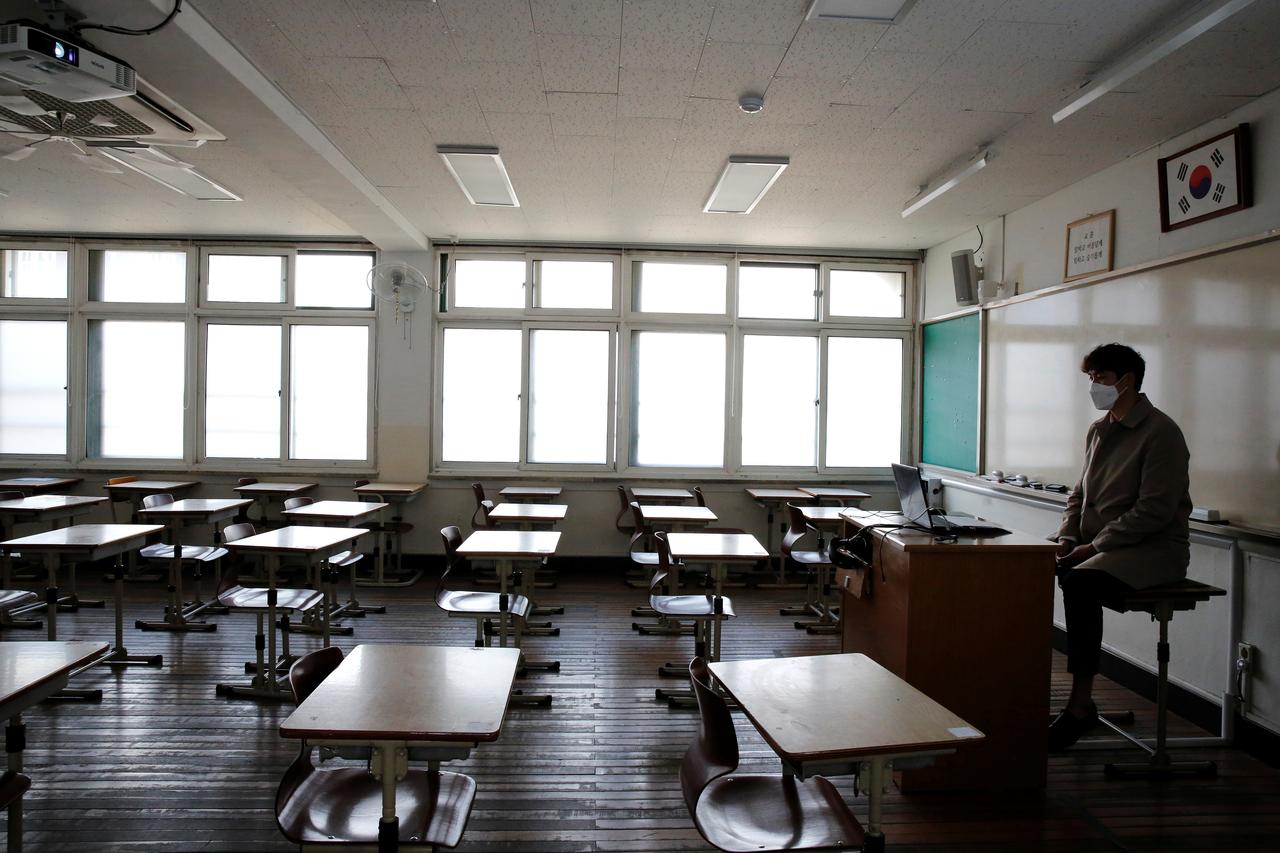
Then Covid-19 hit, and everybody had to stay home. Most schools deployed off-the-shelf learning management systems that dispensed homework as a stop-gap measure.

Under pressure, teachers were forced to slap together Zoom and video classes quickly, delivered in formats they were neither familiar nor comfortable with. Commercial entities took the opportunity to launch sometimes half-baked online learning platforms, mostly in the form of video conferencing. There were also horror stories of hackers entering kids’ classrooms to wreak havoc. Parents started to question if this was the kind of education that would help their children ace the school system.

Outdated School Systems

But even before 2020, there were already rumblings that school systems were no longer relevant. Many of us know that the current K to 12 (kindergarten to Grade 12) compulsory education system is outdated. It started in Prussia in 1800, borne out of the need to have a large workforce during the industrialisation age. While mass education has reduced illiteracy and benefited billions of people, it is still a 200-year-old system that has failed to keep up with the times.

The traditional school system, where the teacher acted as the sage on stage dispensing knowledge worked wonders for my generation, but why should it be effective for digital natives born after 1999? They found their own alternatives to the 45-minute-lecture – a two-minute-Youtube video made by a world-class instructor, played at 1.8xnormal speed.

Alternative Paths and Individualised Education

Technology and alternative ideas have been seeping into our mass education system, along with the recognition that the era of mass education is over. Covid-19 signals it is time to embark on individualised education.

As a mother of five, I’ve learnt education is not what our children can get out of schools; rather, education is what I can put into a child. To put the right education into my child, I need to first spend time to understand his or her passions, gifts and learning styles. Most people like to work on what they are good at, so I spend time to observe what my kids want to work on, and then find resources to bring them up to their fullest potential, while levelling them up in areas they are weak in. The main objective is to build up their self-esteem and confidence by allowing them to excel at things they love.

I loved teaching my own children. From learning how to model math questions to taking courses to update my computer programming skills, I found myself constantly upgrading just to participate in my kids’ education actively. No matter which stage of their education, our home has been the most important learning venue for my family.

Not everybody agrees with my approach. But it has always puzzled me. Why spend time trying to ace a system when I can use that time to give my children a great education?

The Changing Playing Field

Covid-19 has started us off with the great home-based learning experiment. However, to fully harness the strength of home-based learning, instructional design must not only leverage technology to fully integrate with school-based learning, it must also fully involve parents, educators and peers.

For starters, parents must get involved. First, with kids studying at home, we can observe their learning styles and provide valuable insights to their teachers. Second, we can acquire free and paid resources to activate better learning. Students can now work on the topics in which they are most passionate, at the level they are most comfortable. Don’t be afraid to go for materials that are beyond your child’s level according to the school curriculum.

Besides instructor-led activities, I like to provide opportunities for students to do research and self-study at their own pace, as well as engage their peers to learn how to negotiate, follow and lead. I also  give them  time and space to reflect on lessons.

All of my children earned their bachelor degrees before they turned 18. More interestingly, at the  online international school, which I started in 2015I have  managed to radically accelerate about 300 students from Singapore, Malaysia, Australia, Indonesia, Hong Kong and China with different capabilities, from those with learning disabilities or who were streamed into Normal Tech at PSLE, to those who are exceptionally gifted.

As always for me, it is not about how much students achieve academically, but how happy they are in the process that counts.
[/vc_column_text][/vc_column][/vc_row][vc_row type=”in_container” full_screen_row_position=”middle” column_margin=”default” column_direction=”default” column_direction_tablet=”default” column_direction_phone=”default” scene_position=”center” text_color=”dark” text_align=”left” row_border_radius=”none” row_border_radius_applies=”bg” overlay_strength=”0.3″ gradient_direction=”left_to_right” shape_divider_position=”bottom” bg_image_animation=”none”][vc_column column_padding=”no-extra-padding” column_padding_tablet=”inherit” column_padding_phone=”inherit” column_padding_position=”all” background_color_opacity=”1″ background_hover_color_opacity=”1″ column_shadow=”none” column_border_radius=”none” column_link_target=”_self” gradient_direction=”left_to_right” overlay_strength=”0.3″ width=”1/1″ tablet_width_inherit=”default” tablet_text_alignment=”default” phone_text_alignment=”default” column_border_width=”none” column_border_style=”solid” bg_image_animation=”none”][image_with_animation image_url=”17737″ animation=”Fade In” hover_animation=”none” alignment=”” border_radius=”none” box_shadow=”none” image_loading=”default” max_width=”100%” max_width_mobile=”default”][/vc_column][/vc_row]

Choosing Schools

[vc_row type=”in_container” full_screen_row_position=”middle” column_margin=”default” column_direction=”default” column_direction_tablet=”default” column_direction_phone=”default” scene_position=”center” text_color=”dark” text_align=”left” row_border_radius=”none” row_border_radius_applies=”bg” overlay_strength=”0.3″ gradient_direction=”left_to_right” shape_divider_position=”bottom” bg_image_animation=”none”][vc_column column_padding=”no-extra-padding” column_padding_tablet=”inherit” column_padding_phone=”inherit” column_padding_position=”all” background_color_opacity=”1″ background_hover_color_opacity=”1″ column_shadow=”none” column_border_radius=”none” column_link_target=”_self” gradient_direction=”left_to_right” overlay_strength=”0.3″ width=”1/1″ tablet_width_inherit=”default” tablet_text_alignment=”default” phone_text_alignment=”default” column_border_width=”none” column_border_style=”solid” bg_image_animation=”none”][vc_column_text]Do you choose schools like I did? Without much of a thought, I simply went for the most reputable ones that everyone else was going for and settled for the ‘best’ ones that wowed others: those that ranked high academically, had great alumnus and produced great standardized tests results.

But School is Not Education! Just a part of it.

To ensure schools fit into our children’s educational plans, we have to consider The Purpose of Schools[/vc_column_text][vc_row_inner column_margin=”default” column_direction=”default” column_direction_tablet=”default” column_direction_phone=”default” text_align=”left”][vc_column_inner column_padding=”padding-4-percent” column_padding_tablet=”inherit” column_padding_phone=”inherit” column_padding_position=”all” background_color=”#960000″ background_color_opacity=”1″ background_hover_color_opacity=”1″ font_color=”#ffffff” column_shadow=”none” column_border_radius=”none” column_link_target=”_self” gradient_direction=”left_to_right” overlay_strength=”0.3″ width=”1/1″ tablet_width_inherit=”default” column_border_width=”none” column_border_style=”solid” bg_image_animation=”none”][vc_column_text]School is only part of Education.[/vc_column_text][/vc_column_inner][/vc_row_inner][vc_column_text]

The Purpose of Schools

My daughter said that with Mother Google and the plethora of online resources, there is really no need to send our children to schools to acquire knowledge any more.

You can ask about anything online to get an instant answer with far more details, taught by the best teachers and all free. So these days, we do not need to send our children to schools for academic reasons.

Still, there are reasons to send them to school.  Here are mine and yours might be different. I will elaborate each of these in my book*:

  • to develop citizenship
  • to become socially resilient
  • to learn from other adults
  • to make age-peer friends
  • to develop group-learning and peer-teaching skills
  • to get accreditation for their studies
  • to give me time to do my own things

So what do we look for when choosing schools?

1.  Look Beyond the Label

One of my very good friends swears by private schools, and though he is suffering from Stage 4 Parkinson’s Disease and financially strapped, he continues to pay through his nose (>US$1,300/month) to get the ‘best’ education on earth for his son. I suggested he homeschool his son on his boat with his remaining days while he still can sail, but he is afraid his kid will lose out not being in a private school. Perhaps he had a bad experience with a public school, but…

A good education does not come from a school with the right label: there are excellent public schools, private schools infested with drugs, independent schools with poor teachers and neighborhood government schools with committed educators.  We should cast our nets wider, look deeper and beyond the school label.

2. Interview the School Leaders and Teachers

The Principal.

I learned through the very hard way that the principals are the most influential people during our children’s time in school. A new principal in my son’s school was a cause of him on the brink of depression, making him unable to function in schools for years.  The story still seems like a nightmare to me.

For every bad principal, I have met another ten good ones.  Generally, they are happy to share their resources and knowledge.  I will write about the qualities of a good principal in the book*.

A school is as good as its principal.

The Teachers.

Teachers either build up or destroy during their interaction with the children.  I have written about good educators and poor ones.  A good educator transforms lives while a bad one leaves you much emotional scars to handle for years.

In general I like confident teachers who have some years of working experience besides teaching, are inspired, inspiring (no typo), matured and believe they are called to teach.

I also believe teachers should be involved in more enriching activities like writing books and researching rather than being in charge of sports and performing arts, unless they are passionate about these things.[/vc_column_text][vc_row_inner column_margin=”default” column_direction=”default” column_direction_tablet=”default” column_direction_phone=”default” text_align=”left”][vc_column_inner column_padding=”padding-4-percent” column_padding_tablet=”inherit” column_padding_phone=”inherit” column_padding_position=”all” background_color=”#960000″ background_color_opacity=”1″ background_hover_color_opacity=”1″ font_color=”#ffffff” column_shadow=”none” column_border_radius=”none” column_link_target=”_self” gradient_direction=”left_to_right” overlay_strength=”0.3″ width=”1/1″ tablet_width_inherit=”default” column_border_width=”none” column_border_style=”solid” bg_image_animation=”none”][vc_column_text]Teachers either build up or destroy during their interaction with the children.  I have written about good educators and poor ones.[/vc_column_text][/vc_column_inner][/vc_row_inner][vc_column_text]

3. Consider the Logistics

Commute Time.

Children do not like to commute in general, and it is also painful for parents to shuttle to and fro for hours just to send the kids to an ideal school. Therefore, I will always choose schools near our home.

When the push comes to shove, I have moved house or changed schools a couple of times.  The hours saved are precious.

Schools within walking distance are the best.

School Traditions And Culture

Being in a school is not just about academics, it is about being in a community.  Therefore, it is important for me to send my children to schools with good traditions, history and culture so that they can grow up identifying with their friends.

My daughters’ secondary school has a strange culture: the girls’ skirts must never be stained. Though it was cumbersome, it made them really careful and dainty to this day, and I like that.

Our children will adopt the culture they are immersed in six hours a day for years, so we have to pick the right culture we desire them to be in.

Facilities And Stability

Some schools are old but well-maintained, some are new yet run down.  Here’s where a visit to the school is important to understand the usage of the facilities. Just having a swanky building does not say much if the students are not empowered to use them.

While in the school, look for signs to see if they are school-proud, the relationship  between the educators and students, and inter-student behavior.

4. Match the Purposes

Remember the list of purposes made earlier and consider if the schools meet those.  Generally, I like schools that take little of my children’s time because I like my kids at home.  I am not so worried about the academic capabilities of the school because through the years, I know academics is of the least concern for my children.

So, my ‘good’ schools cannot run from eight to eight everyday to pump the kids up for standardized tests.

Secondly, I look for schools where my children can find intellectual peers so that they will neither be bored nor struggle.  This is when the entrance test is important.  If the children have to hot-house and study day and night (e.g. PSLE in Singapore) to qualify for a school, then the school is wrong.  The kid may make it to the school but will be quickly demoralized when he realize he is in the wrong cohort with few like-minded friends.

Putting children in schools is not just about catering to their intellectual or academic capabilities, it is also about helping them find lifelong friends.

Lastly, a good school looks into the individual needs of its student and matches that against their offerings and curriculum. There should be acceleration opportunities for students who are strong in certain or all subjects, and help for the weaker ones.

Our schools are extensions of ourselves.

5. Let the Children Choose

Last and most importantly, let the children have the last say. We may help by shortlisting a few suitable schools but let them make the choice. They will be the happiest if they attend the school they want and we will spend much less time motivating them to do school-related activities.

Tutor a School-Going Child?

No, I don’t believe that a child who is attending a good school needs to go for any kind of tuition.  However, if the child needs occasional help to get over a difficult problem, we should chip in or find short term assistance.

In addition, even when we send our children to schools, I still believe we as parents should teach our children something at home.  It can be dressmaking, baking, algebra, music, sports or writing.  Something taught systematically and purposefully so that we get to instill discipline and learn more about our children’s learning styles.  This information is vital if we want to journey their educational paths with them and become partners to our children’s educators.

Talk about this in the next article.[/vc_column_text][/vc_column][/vc_row]
After School Tuition

[vc_row type=”in_container” full_screen_row_position=”middle” column_margin=”default” column_direction=”default” column_direction_tablet=”default” column_direction_phone=”default” scene_position=”center” text_color=”dark” text_align=”left” row_border_radius=”none” row_border_radius_applies=”bg” overlay_strength=”0.3″ gradient_direction=”left_to_right” shape_divider_position=”bottom” bg_image_animation=”none”][vc_column column_padding=”no-extra-padding” column_padding_tablet=”inherit” column_padding_phone=”inherit” column_padding_position=”all” background_color_opacity=”1″ background_hover_color_opacity=”1″ column_shadow=”none” column_border_radius=”none” column_link_target=”_self” gradient_direction=”left_to_right” overlay_strength=”0.3″ width=”1/1″ tablet_width_inherit=”default” tablet_text_alignment=”default” phone_text_alignment=”default” column_border_width=”none” column_border_style=”solid” bg_image_animation=”none”][vc_column_text]

Tuition and Tutors

It is always discouraging to be stuck academically and because schools normally build information sequentially, the inability to understand a topic often hinders progression to the next.  Tutors can come to the rescue.

Many parents think that tuition is beneficial to their children and while I do agree after school temporary tuition should be procured when the students need to get over the hump sometimes, I don’t think mandatory tuition should be encouraged.

Tuition to Hothouse

I am curious if people realize that long term tuition can be detrimental as it robs a student of a chance to develop great non-cognitive skills that is vital for academic success at more advanced stages.

My aversion for tuition starts with its instrumentality in dividing our society from the have’s and have not’s. Parents with herd’s mentality jump quickly onto the bandwagon believing and seeing temporal lustrous results in their younger years.

While it is true in any hothousing setting that immediate result can be achieved and hence may open more educational opportunities for the students when they were young I wonder if any parent ever thought of the detrimental effects of tuition on children.

Shifting Motivation/Passion from Child

Students need to want to achieve and learn how to motivate themselves, and tuition removes the need for them to learn that almost completely.

I was told that people send their children as young as five years old for phonics tuition these days, and some 12-year-olds spend more than eight hours a week having tuition!

If you consider 30 hours of school, 8 hours of CCA, 10 hours of homework, an average student already has a whopping 48-hour work week, and parents load another 8-12 hours of tuition… not including the transport time. Where would the child have a chance to think about his dreams, his passion and his direction in life?

How would he ever find the skills to manage his own schedule if he continues to run everywhere for this and that, and none planned by him?How will he have the time to dream and be creative?

Why then, are we surprised when many 18-year-olds have not nurtured a passion or found a calling by the time they start their university studies? (I am not talking about their parents’ passion or calling.)

Loss of Opportunity in Developing Thinking Skills and Grit

[/vc_column_text][vc_row_inner column_margin=”default” column_direction=”default” column_direction_tablet=”default” column_direction_phone=”default” text_align=”left”][vc_column_inner column_padding=”no-extra-padding” column_padding_tablet=”inherit” column_padding_phone=”inherit” column_padding_position=”all” background_color_opacity=”1″ background_hover_color_opacity=”1″ column_shadow=”none” column_border_radius=”none” column_link_target=”_self” gradient_direction=”left_to_right” overlay_strength=”0.3″ width=”1/2″ tablet_width_inherit=”default” column_border_width=”none” column_border_style=”solid” bg_image_animation=”none”][vc_column_text]Most good tutors have systems and methodologies to help their students achieve high scores in standardized exams, and that is bad. Of course that sounds absurd, because scoring well in standardized exams is good, but not if your answers were created by someone else and regurgitated or reworded for exams.[/vc_column_text][/vc_column_inner][vc_column_inner column_padding=”padding-4-percent” column_padding_tablet=”inherit” column_padding_phone=”inherit” column_padding_position=”all” background_color=”#960000″ background_color_opacity=”1″ background_hover_color_opacity=”1″ font_color=”#ffffff” column_shadow=”none” column_border_radius=”none” column_link_target=”_self” gradient_direction=”left_to_right” overlay_strength=”0.3″ width=”1/2″ tablet_width_inherit=”default” column_border_width=”none” column_border_style=”solid” bg_image_animation=”none”][vc_column_text]*Bloom’s Taxonomy is a classification of learning objectives within education proposed in 1956 by a committee of educators chaired by Benjamin Bloom.[/vc_column_text][/vc_column_inner][/vc_row_inner][vc_column_text]In the midst, the student would have lost the problem solving opportunity. In ‘rescuing’ them too quickly from difficult questions and problems, we save time and help them score higher in exams, but we rob them of that opportunity to develop their thinking skills in critical situations.  They would have also lost the chance to develop grit and problem solving skills.  Instead, we develop their remembering skills, which is the lowest in the hierarchy of thinking skills in Bloom’s Taxonomy.*

Trained to Look for the Single Right Answer

If you work or study in an international environment where your colleagues do not come from a hot housing atmosphere, you will know the delight of watching even an average student or worker think and create his/her own solutions, while those heavily tutored are always looking for the single ‘right’ answer that pleases either the lecturer or the boss, because they have always been fed with the right answers.

As the lecturer and an ex-boss, let me tell you that no single right answer exists in the university or in the real world. So, students who are brought up to look for them are sadly disillusioned and take a longer time to get accustomed to this fact, and learn to create solutions they believe in.

Ultimate Competition is within Oneself

Of course, I understand why everyone is still going to tuition and that some of our best teachers are still leaving public schools to become highly-paid tutors. And it is because it makes complete sense in the current situation where competition is paramount in our society. But is it really?

I have always had difficulty believing competition against peers is important, even when I was the CEO, and even when I was a competitive athlete. The best competition is within oneself, to always want to better oneself and achieve a higher goal than one has already attained, and it need not matter what others have achieved, whether they are better or worse.

Beating a peer can never justify an ego trip, and failing is never about losing face.

More than Academic Achievements

If we need to teach our students that the only way to prove that they are worthy is to have a high PSLE T-score (on a bell-curve), straight A’s for ‘O’ levels and ‘A’ levels, perfect IB and SAT scores, then we have completely missed out teaching them anything important, except to chase for academic results blindly.

Fortunately, most of us who have been through these know the limitations of mere academic results, yet we repeat the same process with our little ones.

Employees and university entrance committees know that good candidates possess great non-cognitive skills. That is why, they look for other qualities: their abilities to think on their feet, articulate their own thoughts, and communicate these confidently.

Therefore, even straight A’s students might not get into the door if they pale in comparison to those with less dazzling academic results but with great social and emotional skills. And even if they get in the door, they may not fair well unless they too unlearn their bad habits learned through tuition and acquire the proper and more important abilities.

Stop Following the Herd!

Perhaps the education system have us parents and educators going in circles chasing after the bell curve and standardized exams, but we have the fiduciary duty to ensure that in chasing these, we do not compromise our values and deprive our kids of learning important skills.

So before you recommend or sign someone up for another tuition or enrichment class, look at the student again: give it a second thought, and him/her another vote of confidence and believe that he/she can do without it.[/vc_column_text][/vc_column][/vc_row]
Homeschool or School?

[vc_row type=”in_container” full_screen_row_position=”middle” column_margin=”default” column_direction=”default” column_direction_tablet=”default” column_direction_phone=”default” scene_position=”center” text_color=”dark” text_align=”left” row_border_radius=”none” row_border_radius_applies=”bg” overlay_strength=”0.3″ gradient_direction=”left_to_right” shape_divider_position=”bottom” bg_image_animation=”none”][vc_column column_padding=”no-extra-padding” column_padding_tablet=”inherit” column_padding_phone=”inherit” column_padding_position=”all” background_color_opacity=”1″ background_hover_color_opacity=”1″ column_shadow=”none” column_border_radius=”none” column_link_target=”_self” gradient_direction=”left_to_right” overlay_strength=”0.3″ width=”1/1″ tablet_width_inherit=”default” tablet_text_alignment=”default” phone_text_alignment=”default” column_border_width=”none” column_border_style=”solid” bg_image_animation=”none”][vc_column_text]To homeschool or school a child now becomes a real decision to make, as more and more successful homeschoolers outshine their counterparts and prove that they are sophisticated learners that renowned universities want to attract.

With the gap between the education system and families’ education expectations widening, families are turning to homeschooling for more control over their children’s education.

Despite all these, I still see an important, albeit changed role schools play in our children’s educational journey, and therefore believe every child should attend both homeschool and school some time.

My Homeschool and School Experiences

So far, I have sent my five children to a total of fourteen schools: five in Singapore, two in Australia, two in China, two in the US, and three universities in different countries.

I also homeschooled my children at different times:  before all five went to kindergarten, when my son was not allowed to go to school in lower and upper primary, when my daughter experienced bully problems in school and wanted to pursue sports in upper primary, when we moved to a new country and I couldn’t find schools for the boys then aged 8 and 11 and when four of them were doing grades 9 to 12.

Therefore, it is fair to conclude that I still have a lot of faith in schools, especially the ones with good educators. Yet, at various times of their lives, when I felt it was better to homeschool, I would do so.

Generally, when there is a good school available, I will not miss an opportunity to send them, but when there isn’t I will not hesitate to arm myself with a good curriculum and teach at home.

There are merits of both sending children to school and homeschooling, and I will mention three each in this article and write the rest later in the book*.

Benefits of homeschooling

Homeschooling is more efficient academically.

It takes a fraction of the time required by traditional schools to impart the same knowledge . Time is saved from traveling, waiting between classes, waiting for the class to get into order or for the teacher to complete other administrative tasks.[/vc_column_text][vc_row_inner column_margin=”default” column_direction=”default” column_direction_tablet=”default” column_direction_phone=”default” text_align=”left”][vc_column_inner column_padding=”padding-4-percent” column_padding_tablet=”inherit” column_padding_phone=”inherit” column_padding_position=”all” background_color=”#960000″ background_color_opacity=”1″ background_hover_color_opacity=”1″ font_color=”#ffffff” column_shadow=”none” column_border_radius=”none” column_link_target=”_self” gradient_direction=”left_to_right” overlay_strength=”0.3″ width=”1/1″ tablet_width_inherit=”default” column_border_width=”none” column_border_style=”solid” bg_image_animation=”none”][vc_column_text]You can find my simple Homeschool curriculum here.[/vc_column_text][/vc_column_inner][/vc_row_inner][vc_column_text]My cleverer boys finished Algebra I at high school level in three days and the slowest of them took two weeks. No matter which school I sent them, they would have taken at least a semester to a year to do the same.  Teaching at home saves a lot of waiting time, and allows us to move at our own pace.

Homeschooling is cheap.

Besides the materials and the parents’ time (which can be costly), there’s very little else to pay for.  I managed to homeschool my children despite having a full-time job as I will typically spend two hours a day with them.

Once the child has learned to be independent, the parent’s involvement can be minimal.  I think the key to homeschooling or any schooling is to instill that love for learning so that they want to pursue the knowledge themselves.

So it is possible to keep a job and still homeschool the children, making it an even more financially viable option.

Homeschool accommodates child-paced learning.

Depending on the curriculum subscribed, homeschooling allows children to move at their own suitable paces without having to compromise with classroom structures.

Therefore, properly homeschooled children are normally ahead of their peers academically.  In fact, many radically accelerated children were homeschooled, as well as many children with disabilities who went ahead to do better than their school-going peers.

Benefits of Schooling

School environment encourages diversity.

I believe it is important for children to be aware of where they are in their environments and societies, and mixing with peers in schools gives them a good understanding of that.

In schools, the opportunity to work with people with different intellectual, financial and social abilities provides a glimpse of the kind of society they live in.

Schools make children more resilient.

It takes a lot of skills for children to exist and function in schools: to compromise in a classroom, to obey their teachers, to respect other children and their properties and to learn playground politics.

The important skills required to compromise and co-exist with non family members are difficult to be taught at home effectively.

Children should learn from strangers.

The greatest gift humans have over other creatures is the ability to learn from people not within our own immediate communities. School-going children are taught by teachers they like or dislike; there is very little room for choice.

I believe schools offer an opportunity for children to learn from anybody – an important life skill children should possess.  People who can learn from anyone has the currency to tap knowledge from an infinite pool of resources.

So how do we decide when to send children to school and when to homeschool them?  Better still, how do we mix both to get the best education outcome for our children?  I will share with you my thoughts through my journeys in the next article.[/vc_column_text][/vc_column][/vc_row]

Homeschool Curriculum

[vc_row type=”in_container” full_screen_row_position=”middle” column_margin=”default” column_direction=”default” column_direction_tablet=”default” column_direction_phone=”default” scene_position=”center” text_color=”dark” text_align=”left” row_border_radius=”none” row_border_radius_applies=”bg” overlay_strength=”0.3″ gradient_direction=”left_to_right” shape_divider_position=”bottom” bg_image_animation=”none”][vc_column column_padding=”no-extra-padding” column_padding_tablet=”inherit” column_padding_phone=”inherit” column_padding_position=”all” background_color_opacity=”1″ background_hover_color_opacity=”1″ column_shadow=”none” column_border_radius=”none” column_link_target=”_self” gradient_direction=”left_to_right” overlay_strength=”0.3″ width=”1/1″ tablet_width_inherit=”default” tablet_text_alignment=”default” phone_text_alignment=”default” column_border_width=”none” column_border_style=”solid” bg_image_animation=”none”][vc_column_text]

My Simple Homeschool Curriculum

When it comes to homeschooling, the curriculum is the most important tool.  You can either adopt complete curriculum packages, combine curriculum materials and curriculum guides or create your own course of study.  I tried all three.

Homeschool Curriculum Choices

I adopted some Homeschool packages when I first homeschooled my first child, and subscribed curriculum from US Christian organizations because Christians were the main homeschool providers during the late 1990s.  After using a few of them, I am now more confident of what I want for my children.  Here is what I did when I homeschooled my children, it may or may not be useful for everyone.  Please remember every child is different, so I hope that you will adapt accordingly.

I believe any syllabus from any education system is great, that is if we as parents execute them properly. I mix and try a bunch of stuff from various institutions. Here they are:

My Homeschool Journey

I started homeschooling DD1 when she was 4 years old. She was doing K-2 (Kindergarten to Grade 2) work. She was already picking up books from Popular and wanted to do them, so I decided to enrol her in a homeschool system (CLASS https://www.homeschools.org/whatIsCLASS/index.html) and took her through one year. That was in year 2001.

DD2 was homeschooled when I took her out of Primary 5 in her school. Both DD1 and DD2 wanted to travel and do sports that year and I wanted to support them on that. Nevertheless, the school teacher dissuaded me from homeschooling DD1 because it was her PSLE year and told me she would have missed out a lot. She was in her school’s top class, and I wasn’t sure what she would have missed, but in any case, she missed out a few good sports trips that DD2 went on. That was in year 2008.

Last year, I homeschooled DD2, DS2 and DS3 when we all left to join the older kids overseas while the latter do their university courses. In 6 months, DD2 completed her pre-university studies and started university. She mostly self-directed her own studies, which included preparing for standardized exams meant for 18 year olds. She was 14 when she made it to the university.

DS2 was P6 last year, so was to take PSLE, but we skipped that because we were not in Singapore. Instead, I put him on the US High School Diploma which he finished with a good GPA.  But as I felt that education is more than academic studies, I continue to send him to a High School while he attends university classes.

My Typical Homeschool Curriculum

My youngest son is 10 and the only one still being homeschooled.  We’ll likely keep his schedule till he is ready for university. I use the Singapore system for Maths, Chinese and Science (just like all my other children).

As my youngest child could not read or add at 7 years old, I started him on the US Kindergarten Math and Reading programs.  (Stanford’s EPGY).  When he finished the Grade 6 and Grade 4 programs on EPGY, I started the syllables with P2 Maths again (even though he was already more advanced), then we moved on to P3, P4 and P5 Maths whenever we feel that he has learnt the materials.

Interestingly, there is little frustration (unlike in school), no judgmental or competitive remarks from teachers and friends, and he gets to finish his work fast and progress to what he likes, like going out to play or have a game of monopoly, or do art for an extended period. He gets to do a lot more art than in school, he loves calligraphy. Maths take 45 minutes a day.

For Chinese, I just follow the Singapore pace, about 1 chapter every 2 weeks. He does the P3 books this year. To achieve this, we spend about 20 minutes a day on Chinese.  This year, I have given up on working on Chinese, because I sent him to school and do not want him to be bogged down with studying.  I believe he can always pick up the language later.

For Science, I cover the school books, but we feel those are limited. We use our encyclopedia a lot, the internet and Youtube to find resources and enrichment. For example, when we studied classification, we went all the way to research on species and taxonomic rank (which is covered in high school/Pre-U), when we studied about earth, we covered geography, oceans, seas, continents and some history. All because it is fun, and not because it is required in the syllabus. We make videos and animation together after learning all these, mostly full of pranks and unrelated cartoons just for fun (not the serious, serious type that you have to do in school). Science also takes 45 minutes a day.

Last month, I started teaching this son programming with MIT’s Scratch, which is free and fun.

You might also be interested in Khan Academy’s videos.  They are informational and good for spatial students.

I managed to teach him Algebra I (which is what Grade 11 students do in the US) before he turned 10.  I think this is good achievement since he couldn’t even add just 3.5 years ago.

For English, I find the Singapore books quite poor, so I don’t really use them. I divide English into Grammar, Vocab, Writing and Reading. Grammar – I use “First Aid in English” for every kid, they normally cover this in P1 to P3. Vocab, I use vocabulary cartoons meant for SAT takers, For Writing, I use https://time4writing.com/.

For reading, I have small assignments (one or two books) for him to achieve everyday, and he writes a small book review at the end which just takes 10-15 minutes normally. We spend 30 minutes on vocab, and 15 minutes on writing assignments and then however long he likes for reading.

I have acquired a reading program recently, taught by native speakers and hope to launch it next year.  Hopefully, it will be more systematic.

As the teacher, the job is to assign the work, and I set the syllabus and determine the sequence of work to be done. There’s no fixed target how much must be finished in a year or day, we move according to what the child wants to do. Sometimes, we cover more, somedays, we cover less. On the average, my kids move 3-4 grades a year using this methodology, with lots of enrichment and fun.

Social, Aesthetics and Sports

For social, I bring the younger kids for sports 3-4 times a week and the older kids do their sports 5-6 times a week. The older kids were all national representatives in their sports, so they travel with their teams overseas, go for training camps, and sports clinics. I no longer tag along with the older kids. For the younger ones, DH and I still make sure we arrange play dates and maintain birthday parties.

For art, I cover calligraphy (because I do this myself), animation and anime drawings. My daughter has become really good at still life and she has offered to teach the younger ones. DS2 has become really good at animation with the Nintendo DS, so he does them a lot.

For music, I only have time to nurture them on the keyboard, so all of them do the same instrument. All the first 4 children finished their grade 8s at 10 or 11.

After grade 8, most of my kids pick up another instrument of passion mostly without teachers. DS1 took up clarinet and guitar, DD1 voice, DD2 voice and cello, DS2 – nothing.

I also cover the Bible on a daily basis, still using the CLASS books. We spend about 15-20 minutes on this everyday.

Other enrichment: My children all bake cakes. I don’t have a proper syllabus though I think I might come up with one soon. We bake about once in 2 months together. My girls sew dresses and knit.

I am no expert in homeschooling, I just do what makes sense for my kids. I believe any system you adopt should not stifle a child academically, and when they want to move on to more difficult things, we should never delay, something totally in opposition to any education system.

I don’t believe in ‘age appropriate material’. I believe a kid should lead in a learning process, so I let them do what they want, but first they must cover a sensible requirement or syllabus, they cover their ‘staple’ quickly in a day, and then move on to do what they have passion for.

For passion, different kids have different definitions : Maths, computer programming, art, animation, playing the piano, or just sitting there doing nothing. I believe a kid should not be sitting down 6 hours a day in school and spend half of that being scolded or watching others being scolded. My kids do not spend more than 2 hours on their academic work daily when being homeschooled.

I also believe kids should be outdoors and not kept inside, this is to protect their health and eyesight. So all my kids do their sports diligently with discipline.

Don’t Cheat the Child

A note on the times. I set the times and ensure that is never exceeded. For example, even though his piano lesson is 1 hour, he normally finishes in 20 minutes, that’s fine. His Maths is 45 minutes, but if he cannot finish the 5 pages he is allocated, I take note of how much he can do (e.g. 4 pages) and reduce the workload to 4 pages going forward. That way, we tailor the pace the child moves through his grades.

It is important never to ‘cheat’ on the time (that is cheat on your kid by asking him to do more!). I believe that if you do that, you’ll take away his trust in you, and the passion he has for any topic. That is too much of a trade off. I prefer to raise a motivated, enthusiastic kid than a head-knowledge-walking-dead-genius.

Tracking the Progress

I also made my little boy a booklet to let him keep track of his own progress and to inform him of what is expected of him. The goals (set by him) are clear, and the progression of his work is also clear.

He also collect his stars from his teachers (either my daughters or I) and puts them on this same booklet. If he collects all his stars for the day, he gets money to buy hot cocoa at the sports center when he goes for sports or he can walk down to 7-11 for a slushy if we are in Singapore. Something he really likes.

Though done in a fun way, this is our little ‘contract’, curriculum book, and the teachers’ (my daughters’) guidelines when I am not around to monitor.[/vc_column_text][/vc_column][/vc_row]
Homeschooling the Schooled

[vc_row type=”in_container” full_screen_row_position=”middle” column_margin=”default” column_direction=”default” column_direction_tablet=”default” column_direction_phone=”default” scene_position=”center” text_color=”dark” text_align=”left” row_border_radius=”none” row_border_radius_applies=”bg” overlay_strength=”0.3″ gradient_direction=”left_to_right” shape_divider_position=”bottom” bg_image_animation=”none”][vc_column column_padding=”no-extra-padding” column_padding_tablet=”inherit” column_padding_phone=”inherit” column_padding_position=”all” background_color_opacity=”1″ background_hover_color_opacity=”1″ column_shadow=”none” column_border_radius=”none” column_link_target=”_self” gradient_direction=”left_to_right” overlay_strength=”0.3″ width=”1/1″ tablet_width_inherit=”default” tablet_text_alignment=”default” phone_text_alignment=”default” column_border_width=”none” column_border_style=”solid” bg_image_animation=”none”][vc_column_text]During my fifth child’s PTM with his kindy teacher, I could sense that she was trying very hard to be encouraging while giving me the news as it was – my six-year-old son was to graduate from kindergarten unable to read or add.

In addition, even though he had great penmenship and coloring skills, he could never finish his school work on time. Therefore, his graduation file was filled with half-completed work.

Strangely, I was neither distressed nor apologetic and had every excuse: his brother was having so much problems in school, I had to camp in his school every day. I also had to ferry my three older children for sports training twice a day, and had no family support after my father-in-law passed away.

I could hardly cope with just putting meals on the table so why would I have time to read to him or deal with his academic studies? After that first and last PTM I attended, he was to start formal schooling in Primary 1 (or Grade 1), and I knew he would struggle with zero literacy and numeracy. What was I to do?

Building the First Foundations

Unlike most parents who engage tutors at the first instance, I deliberately slow down on the academic front. Knowing he is timid by nature, I wanted a good ‘canvas’ to work on, so decided to improve his self-esteem first. I told him he would become the smartest child among all my children, (I just didn’t tell him his four older siblings started reading from 9 months to 4 years old), and that he would be good at both Math and English. I boldly told him he would be a genius – something he still believes he is to this day.

Slowing Down

The next thing was to find a good syllabus to teach him with. I didn’t want to engage tutors, or play catch up with the P1 syllabus that he would not be able to follow. Trying to catch up with the school teacher was too stressful for me. My plan was to find a good curriculum and spend two hours a day with him. A plan that lasted to this day.

Since he was not ready for P1 or Grade 1 work, I decided to use the US Kindergarten curriculum for Language Arts, Writing and Math. I also engaged my husband’s help to read Berestein’s Bears and Dr. Seuss to him every night. In two months, he started to read and could add. I also bought a clock to teach him how to tell time.

Planning for Success

For three years now, I plan the syllables every six months using resources from the Internet, books I bought from the bookstore, or Singapore textbooks when we go back for vacations. My son and I agree that he has to do five pages of Math and thirty minutes of writing and Language Arts everyday.

Three years on, my son is a far cry from that academically inferior boy. He has been accelerated two years by his school. At home, we have just finished US High School Algebra I (equivalent to Grade 10 Math in Australia or Sec 1-2 Math in Singapore) and he is covering SAT writing and vocabulary. To some extent, I think we made some good progress.

I knew that if I had chosen to pump him with tuition, hot-housed him with a heavy workload, or rush to have him score As in his SA or CA, then I would have not achieved what we did. Education is a long journey and I still do not know if he will be successful academically but we are progressing.

Filling an Important Gap

Besides helping my son catch up, I had to homeschool my children when they could not go to school for various reasons either by choice or by circumstances.

My definition of homeschooling is to have a fixed time-table, firm schedule and a place to sit down with the children to cover a specific curriculum. Over the years, I have taught my children many things that I have no expertise in.

I taught my daughters three grades in a year on the piano when they had no piano teachers (I am Grade 0), one passed with merit and the other with distinction. All my four older children were homeschooled for 23 subjects at High School level (Grades 9 – 12 or Secondary 4 to J2) including Math, History, all Sciences, Computer Programming, Visual Arts, Music Theory, Geography, Literature and Psychology.

Of course, I know some subjects really well, but for the others, I knew almost nothing. After they have earned their High School Diploma, I still do not know some subjects very well because my job was more a guide than a teacher. I had to teach them how to learn effectively.

Facilitating Acceleration

It is when we homeschooled that my children accelerated the fastest. My third daughter finished three years’ High School work in nine months when she was 13, my fourth son finished the same in six months when he was 11. I know that they could not have made it to the university in their early teens if not for our family’s habit of homeschooling ever since they were young.

Homeschooling puts them miles ahead of their age peers.

I have learned that homeschooling is not so much about teaching but learning. Success requires a good curriculum, sheer determination and discipline.

Homeschool is a Secret Weapon

Over the years, I have stopped playing catch up with schools, letting teachers teach what they need, and never tutoring my children school work. Instead, I have chosen to look for other curriculum and teach them useful things or skills I know they will need later. It reduces boredom and gives them confidence. It also gives us plenty of common things to share.

So there. My experiences with homeschooling, which includes how I helped my son who was falling behind academically. We tried something radical, did away with tuition and self-pity, slowed down rather than fire-fight.

With a good curriculum and the willingness to spend time to learn with the child, he will not just overcome, he will surge ahead.

Every time the education system fails me, I will remember that nobody owes us anything. They can take away school from us, but they can never take away our education. So instead of complaining, I will brandish my little secret weapon: the homeschool planner. I hope that every parent will find that secret weapon, too.[/vc_column_text][/vc_column][/vc_row]

School Refusal

I cringed as the phone rang again. Four out of five weekdays, the nurse in school would call me to bring Youngest One home from school because he had a stomachache.

“And Mrs Lim, can you please not bring your child to school if he is not well?”

For the whole year, I was just sending him from doctor to doctor to find out why he had this stomach upset every weekday, but during school holidays it would be fine. In the end, the gastroenterologist told me that there was nothing wrong with him.

Though those stomach aches were real, they were from stress and not from a physical illness. Over the last few years, I had brushed that off as just anxiety, until I found out that it was a bigger problem than that.

In one of the meetings with a school that has 4,000 students last week, we were told that school refusal affects 3-5 percent of their students.

We have handled a number of school refusal cases, and the conclusion is that parents should be more observant about it, and catch it earlier, as it does get really difficult in late stages. Typically, school refusal affects students on both ends of the bell curve: very high achievers and gifted students as well as those who are not coping. They often start by having aches somewhere on school days, and then it evolves to blatantly refusing school for specific reasons.

The problems typically start at around 13 years old. Problems can stem from anything! Unhappy with the teachers, friends, school environment, curriculum, tests, stress, bully etc etc etc.

I think finding the root of the problem is very difficult, so the key to handling is being very discerning as parents and educators. The moment we suspect something is not right, we need to right the situation before it is too late.

I have seen cases where very, very smart students just hate school so much, they will lose their chance of being who can really be completely. In one particular case, I saw an RI boy who finished ‘A’ levels with mediocre results.

I had imagined this boy, who wanted to be a doctor, would have made it easily, compared to some of our less academically gifted children who did make medical school. He was from the GEP, and super intelligent. Unfortunately, because of his mishandled school refusal problems, everyone was happy for him when he made it to an average local university. His self-esteem is low, and he refused any more help.

If his parents or educators had helped him earlier, I think providing an alternative to him could have helped him maximize his potential, made him a happier student, and he would have made it to medical school easily, given his intelligence and capability. Nothing is worse than seeing a student not maximizing his potential.

University is a funny thing. If we get into the wrong course, it is really hard to reverse that without a consequence. In this case, I hate to think that we have missed a chance.

For Youngest One’s case, he was suffering from low self-esteem, clinical depression and he hated everything about school, except for Art lessons. It was shocking because just 2 months before his school refusal problems, he was enjoying everything in school, and was a super conscientious student. Something triggered and I still do not know what it was. He hinted it was something his form teacher said in one occasion. Just one occasion.

I had to take him out for months and reteach him about education and put him on an alternate path. We had wanted to keep him in school because he enjoyed it so much, but that plan did not work. It was pointless to enrol him in a school, pay school fees, and then drive him home after an hour in school. I decided it was far more useful to give him a proper alternate education.

He is now doing his internship as the last semester for his bachelor degree program. I am thankful we managed to give him a good education but most importantly, he is a happy teenager again.

Is your child having problems in school and you don’t even notice? We all like to think that things like that won’t happen to our kids. Unfortunately, by the time it does, it is often very hard to reverse. Remember 1 out of every 20 students according to the school principal I met has this problem. Look carefully. What is the chances that yours might?

If you suspect your kid is having school problems, please seek help. Either talk to a counselor or write to me and I will try to put you to our counselors free of charge.

Choosing a Kindy

They say if you pay peanuts, you’ll get monkeys, I always have the mum guilt, because the Youngest One left kindy not knowing how to count or read. If I had sacrificed more financially even though we were not well-to-do by then, and send him to the same kind of kindy his older siblings went to, perhaps he’d do better.

When the kids were young, I was not a very involved mother and I could give all sorts of excuses for myself for being so. My first three children were born in three years. I was also listing the company I founded and had majority shares in when my fourth child was born.

The easiest thing to do was just send them to the most expensive kindy I could find, and that saved me from a lot of guilt.

My first four kids did really well in the academic department. When we were in China, The Daughter shocked her teachers in the international school when she was already reading The Chronicles of Narnia when she was just five, while her friends were struggling with the alphabets.

Old Boy could read at 18 months old, and Sunshine Boy could read the university textbooks I teach from when he was ten. I am not sure if the expensive kindergartens I sent them helped, but I know that the Youngest One was eventually the youngest in our family to graduate from the university.

The kindergarten landscape will change drastically in Singapore, with the introduction of the MK or MOE Kindergarten. Children who attend MK with a primary school will have priority over children who don’t under otherwise same circumstances.

To me, it seems that the age of formal education has now lowered from the primary one to kindy since the choice of kindergarten will affect the choice of the primary school.

It also seems that the option of keeping the child at home to teach is less and less viable now.

In less than ten years, I would expect more than half of our kindergarten children choosing the MKs, which is a no-brainer, really, for it gives the child an almost guaranteed entrance to the primary school of choice. Many kindergarten will close their doors, and the range and choice of curriculum will narrow to a small band, making the preschool education experience of most children almost homogeneous. To some extent, it will be less vibrant. In addition, how the primary schools choose their kindy children going forward will be an interesting development to watch.

Given the lack of variety of curriculum in the near future, parents should be even more involved in their little ones’ education. My preschool team believe for children below six, these skills are important to build and impart: school readiness, playground politics, advanced reading skills in English, basic writing skills, numeracy, learning how to learn, self-discovery and awareness, sportsmanship and musicality.

A child’s brain grows the fastest below six years old. and it is urgent for parents to know the options and make wise choices for their kids.

Money can buy a great education. however, I think if we learn to teach them some very important skills ourselves at this young age, then no matter which kindy they go to, they will be well-prepared for a great future.

The Best High School or Secondary School Education

By the time Old Boy got his PSLE results, we already knew which secondary school he would go to. He was accepted to RI and ACS (I) through DSA for sports.

Those were the only two schools he applied to so we were pretty happy. I asked him which “I” he preferred.

“None, mum, I want to go to the university.”

Nah, I waved his comments aside, one of these will be a great school with an excellent school leader and wonderful teachers. I suggested RI, firstly because it was too far to drive each way to ACS(I) and secondly, it is my alma mater, it was kind of nice to have another generation of Rafflesian in our family. He did not object or comment.

It was certainly MY tradition, I was excited to sing the school song and see some familiar teachers. For Old Boy, the initial excitement of going to secondary school slowly faded. When he was in primary school, he would chat non-stop about the things that happened in school, but when he was in secondary school, he would get into the car and fall asleep.

I had no clue how he was doing in school, until it was obvious he was not having fun. He did not submit his homework. In fact, he did not even know what homework he had. His kind teachers would give him extension after extension after extension, but he still would forget them.

At swimming meets, he would sit on a mat with me. And whenever he had an opportunity, he would run off to sit with the ACS boys. You would see a sea of white and blue and one all-white boy. Though those were rival schools, they accepted him for some reason. He was an ACS boy in an all white uniform. My friend said I put him in the wrong school.

I have forgotten his first year results, but it was good enough to not receive any academic warning. I remember the year coordinator liking him a lot because he was such a great writer. His English compositions were always top. He did well in MEP (music education program) and his mathematics was at least three years ahead of his peers. To cream it all, we didn’t have to pay school fees as he was on scholarship.

In his second year, he became quieter, and he missed even more homework. It was also at this point that I spoke to someone in MOE about Old Boy when she was handling Sunshine Boy’s issues. She suggested I look at an animation university that the government was bringing into Singapore that year.

I brought Old Boy to the briefing and he was so excited that he wanted to go to the university. But he was barely 14, so both my husband and I didn’t want him to go to uni that early, even though I knew he could qualify.

Since he was 11, I had done high school work with him at home. We don’t send our kids for tuition, because tuition is opposite of what I believe education should be. Instead of narrowing the education experience, I broadened the experience by exposing my kids to a large volume of interesting topics, and I made sure the courses taken were accredited. Through that, I knew that Old Boy had already earned enough credits to go to the university.

The weeks that followed after Old Boy saw the animation university was difficult. We didn’t want to give up a place in a prestigious school, but he didn’t want to miss out a chance to pursue something he loves.

After weeks of battle (he went on a hunger strike), we decided to give him a chance to apply. Old Boy engaged the help of an art teacher in RI to prepare a portfolio for entrance to the animation school. Every recess, he would meet this RI art teacher. So this together with his high school diploma work, he was accepted into the university at 14 years old, the youngest ever.

Once school started, he became a changed person, all chatty again. He can describe a pencil nonstop, he would stay up the whole night doing his homework. It was hard work, but he was engaged, challenged and motivated.

When the news spread that he went to university at 14, friends became curious. I remember one parent asking me what he was doing and how he got there. I explained to her that he likes to draw cartoons, and I can still recall her response, “O, I am not interested. In our family, we are either doctors or lawyers.” ????

It really does not matter to me whether my kids become lawyers or doctors or cartoonists. What is most important to me is that they find purpose in their lives and are driven everyday to do what they love.

Over the years, I have met many parents of very bright students from extremely prestigious schools but many of them have still not found their purpose nor their self-esteem. Some have cruised along for so long, it can be impossible to reverse.

In choosing a secondary school for your child, are you looking for prestige, are you looking for reasons for them to go to great schools, or are you more concerned where the kid fits, where his ‘kind’ are, and where his heart finds home.

I think I was really fortunate in that we managed to find a home for him after I fouled up. Had I not started providing him different alternatives from young, I wonder if he would be like one of these I have to counsel today. Some always believing that they are stupid, some always afraid of failure, and some will never understand their full potential.

Some say I put my son on a fast track, but I think I rescued him from the perils of modern education.

*Old Boy graduated at 18, and became an entrepreneur. He is now 25 and owns a patent, his business has gone multi-million and he is now considering going back to do a masters degree to upgrade himself for the next phase of his life, having worked for 7 years.


We don’t spam! Read more in our privacy policy