Archive for the ‘Giftedness’ Category

The Parental Road Less Travelled

[vc_row type=”in_container” full_screen_row_position=”middle” column_margin=”default” column_direction=”default” column_direction_tablet=”default” column_direction_phone=”default” scene_position=”center” text_color=”dark” text_align=”left” row_border_radius=”none” row_border_radius_applies=”bg” overlay_strength=”0.3″ gradient_direction=”left_to_right” shape_divider_position=”bottom” bg_image_animation=”none”][vc_column column_padding=”no-extra-padding” column_padding_tablet=”inherit” column_padding_phone=”inherit” column_padding_position=”all” background_color_opacity=”1″ background_hover_color_opacity=”1″ column_shadow=”none” column_border_radius=”none” column_link_target=”_self” gradient_direction=”left_to_right” overlay_strength=”0.3″ width=”1/1″ tablet_width_inherit=”default” tablet_text_alignment=”default” phone_text_alignment=”default” column_border_width=”none” column_border_style=”solid” bg_image_animation=”none”][vc_column_text]I feel a mix of emotions when I recall the day I decided I could not send Sunshine Boy to school anymore. Looking into the mirror, I firmly told myself, “If I don’t have a solution, then nobody will.” This moment marked a significant turning point in both our lives, symbolizing a deep sense of responsibility, determination, and the beginning of an unconventional educational journey.

Reading about Nathaniel who graduated from ANU at 13 with a perfect score reminds me of my own journey.

I am reminded of the day when I realized that traditional schooling was no longer an option for him. Despite his intellect, the conventional education system failed to accommodate his unique needs. He had only spent 4 years in primary school, out of which two was fraught with suspensions and he was completely disengaged in P4. These culminated in a meeting with the Ministry of Education in the presence of the Director of GEP, his principal and the Education Psychologist, where it was suggested he be isolated from his peers.

Faced with limited options, I sought alternatives, but encountered roadblocks. They advised that given his learning disabilities, he should be attending therapies instead of class. Suggested schools like Pathlight was not appropriate for him according to our own psychologist. We explored the option of enrolling him in international schools, but the administrators at these schools informed us that while they had successfully obtained Ministry of Education (MOE) approval for gifted girls, their efforts to do the same for gifted boys like my son had never been fruitful. They advised us that pursuing this path might not be worthwhile, both in terms of effort and the associated administrative costs.

Determined to provide him with the education he deserved, I improvised. I crafted a makeshift uniform for him and integrated him into my daily routine at Singapore Management University where I taught. Our days began with a simple breakfast ritual at Koufu, featuring lor mai kai and milo, before diving into academic work. I prepared a syllabus for him, and he had to study on his own for three to four hours while I lectured in the university. In just six months, we covered the entire high school curriculum, enabling Sunshine Boy to apply to university at the age of 11.

His educational journey didn’t stop there. As Sunshine Boy wanted badly to go to school, I had to look for alternatives so that he could play with his age peers. While overseas, he concurrently attended primary school and university. At 15, he expressed a desire to experience high school, which we honoured, so he spent two years attending just high school with his friends and playing tennis for the school. By 17, he celebrated his graduation, marking the end of a challenging yet rewarding path.

Throughout this journey, I’ve shared our experiences on social media and encountered a variety of responses. Some offer support, others express curiosity about our unconventional approach, and many reach out for guidance, facing similar challenges with their atypical children.

To those who empathize with and recognize our struggles, I extend my deepest thanks. For the inquisitive, I wish to clarify that, if possible, I would have chosen a traditional educational route for my child. However, our unique situation required a different approach. There’s a common misconception that radical acceleration in a child’s education necessitates intense, pressured learning, or ‘hothousing.’ I disagree with this notion. If a child must be pushed to the limits to achieve rapid advancement, it contradicts the very principle of tailoring education to the child’s natural pace and abilities.

In my view, radical acceleration is not a first choice but a necessary intervention. It’s a crucial step, particularly vital for bolstering the self-esteem and self-worth of a child who may have been deemed lacking in other areas, such as social skills or physical abilities, by experts. As parents and educators, our role is to create pathways for success, adapting our strategies to meet the unique needs and talents of each child.

This is at the heart of the advice I offer to those in need of guidance: the importance of tailoring education to fit the child, rather than forcing the child to conform to the education system. It’s essential to align each child’s education with their path to success, which requires a profound understanding of their individual needs. For some, this may mean accelerating their education, while for others, a slower pace is more beneficial. Success for one child might be found on the sports field, while for another, it could be in artistic or aesthetic achievements.

Drawing from my experiences with my children, I have established a school dedicated to nurturing children with exceptional capabilities. We have encountered a diverse array of children, each with their unique gifts, challenges, and issues. Like Nathaniel, many have flourished in their own unique ways and on their own terms. So I know that, no matter what you are facing, there are solutions.

Most importantly, no matter the opinions of experts regarding a child’s abilities or limitations, the ultimate responsibility for a child’s education rests with the parents. This duty involves adapting to their distinctive needs and ensuring the preservation of their self-worth and esteem. It’s crucial to remember that every child’s educational path is distinct, and sometimes, opting for a less traditional route can lead to the most gratifying achievements.[/vc_column_text][/vc_column][/vc_row]

How a Diagnostic Can Change Your Child’s Education.

[vc_row type=”full_width_background” full_screen_row_position=”middle” column_margin=”default” column_direction=”default” column_direction_tablet=”default” column_direction_phone=”default” bg_color=”#f4f4f4″ scene_position=”center” top_padding=”10%” bottom_padding=”10%” text_color=”dark” text_align=”left” row_border_radius=”none” row_border_radius_applies=”bg” overlay_strength=”0.3″ gradient_direction=”left_to_right” shape_divider_position=”bottom” bg_image_animation=”none”][vc_column column_padding=”no-extra-padding” column_padding_tablet=”inherit” column_padding_phone=”inherit” column_padding_position=”all” background_color_opacity=”1″ background_hover_color_opacity=”1″ column_shadow=”none” column_border_radius=”none” column_link_target=”_self” gradient_direction=”left_to_right” overlay_strength=”0.3″ width=”5/12″ tablet_width_inherit=”default” tablet_text_alignment=”default” phone_text_alignment=”default” column_border_width=”none” column_border_style=”solid” bg_image_animation=”none” offset=”vc_col-xs-12″][vc_column_text max_width=”450″]

Importance of Diagnostic Tests

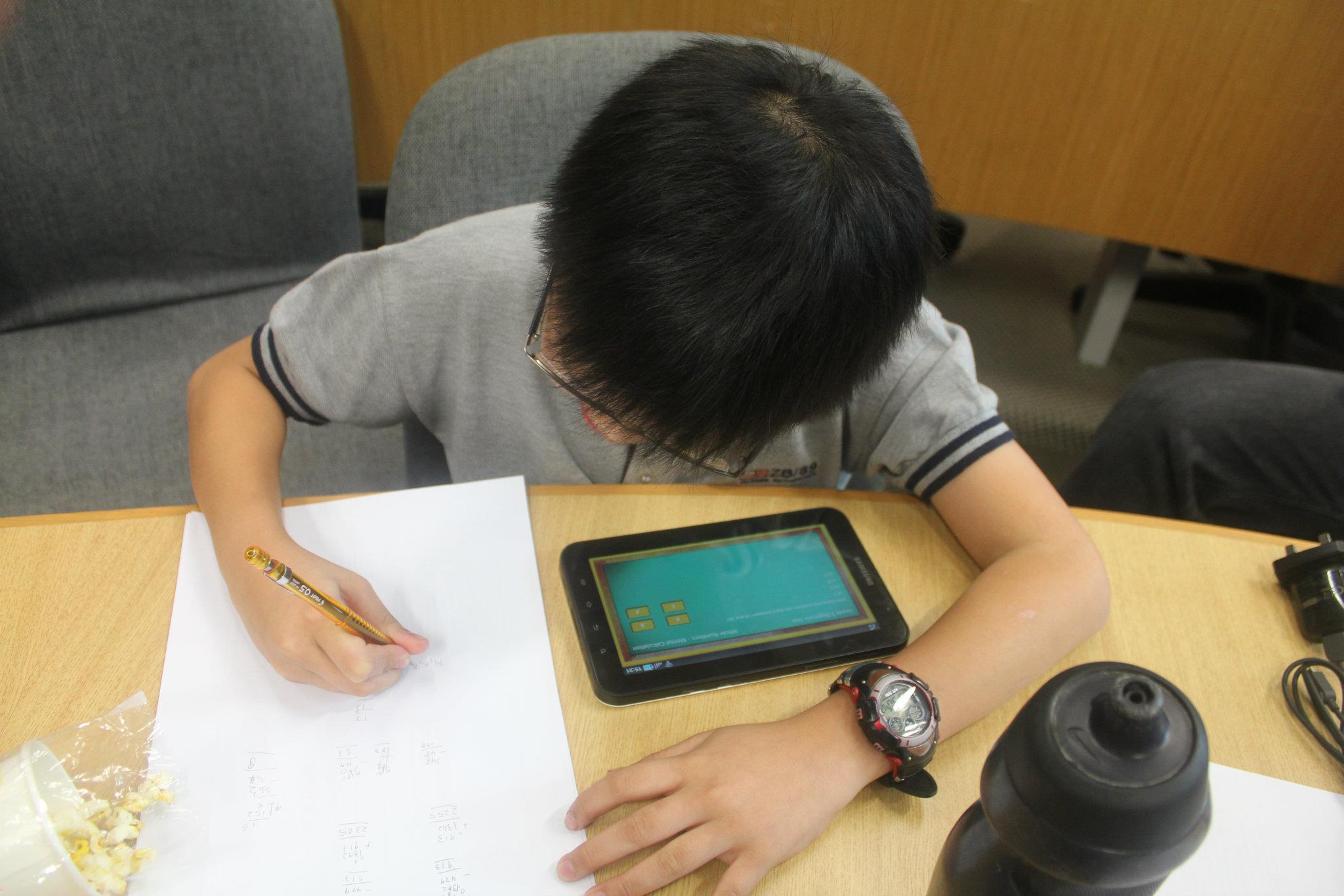
[/vc_column_text][vc_column_text css=”.vc_custom_1600425000467{margin-top: 25px !important;padding-right: 15% !important;}” max_width=”500″]Unlike standardized testsdiagnostic tests are criterion referenced. This means that the test items and goals are determined according to a fixed set of requirements. All Gifted’s Math diagnostic test is scored on our proprietary system and measures only the student’s own performance regarding standard academic requirements.[/vc_column_text][/vc_column][vc_column column_padding=”no-extra-padding” column_padding_tablet=”inherit” column_padding_phone=”inherit” column_padding_position=”all” background_color_opacity=”1″ background_hover_color_opacity=”1″ column_shadow=”none” column_border_radius=”none” column_link_target=”_self” gradient_direction=”left_to_right” overlay_strength=”0.3″ width=”7/12″ tablet_width_inherit=”default” tablet_text_alignment=”default” phone_text_alignment=”default” column_border_width=”none” column_border_style=”solid” bg_image_animation=”none” offset=”vc_col-xs-12″][vc_row_inner equal_height=”yes” content_placement=”bottom” column_margin=”none” column_direction=”default” column_direction_tablet=”default” column_direction_phone=”default” text_align=”left”][vc_column_inner column_padding=”padding-7-percent” column_padding_tablet=”inherit” column_padding_phone=”inherit” column_padding_position=”top” background_color=”#417e94″ background_color_opacity=”1″ background_hover_color_opacity=”1″ font_color=”#ffffff” column_shadow=”none” column_border_radius=”none” column_link_target=”_self” gradient_direction=”left_to_right” overlay_strength=”0.3″ width=”1/3″ tablet_width_inherit=”default” column_border_width=”none” column_border_style=”solid” bg_image_animation=”none” enable_animation=”true” animation=”grow-in”][divider line_type=”No Line” custom_height=”85″][vc_column_text css=”.vc_custom_1600398455296{padding-right: 25px !important;padding-bottom: 25px !important;padding-left: 25px !important;}”]Identifies student’s learning problems[/vc_column_text][/vc_column_inner][vc_column_inner column_padding=”padding-7-percent” column_padding_tablet=”inherit” column_padding_phone=”inherit” column_padding_position=”top” background_color=”#960000″ background_color_opacity=”1″ background_hover_color_opacity=”1″ font_color=”#ffffff” column_shadow=”none” column_border_radius=”none” column_link_target=”_self” gradient_direction=”left_to_right” overlay_strength=”0.3″ width=”1/3″ tablet_width_inherit=”default” column_border_width=”none” column_border_style=”solid” bg_image_animation=”none” enable_animation=”true” animation=”grow-in” delay=”200″][divider line_type=”No Line” custom_height=”85″][vc_column_text css=”.vc_custom_1600398480794{padding-right: 25px !important;padding-bottom: 25px !important;padding-left: 25px !important;}”]Identifies student’s areas of giftedness[/vc_column_text][/vc_column_inner][vc_column_inner column_padding=”padding-7-percent” column_padding_tablet=”inherit” column_padding_phone=”inherit” column_padding_position=”top” background_color=”#634f4b” background_color_opacity=”1″ background_hover_color_opacity=”1″ font_color=”#ffffff” column_shadow=”none” column_border_radius=”none” column_link_target=”_self” gradient_direction=”left_to_right” overlay_strength=”0.3″ width=”1/3″ tablet_width_inherit=”default” column_border_width=”none” column_border_style=”solid” bg_image_animation=”none” enable_animation=”true” animation=”grow-in” delay=”400″][divider line_type=”No Line” custom_height=”85″][vc_column_text css=”.vc_custom_1600425016151{padding-right: 25px !important;padding-bottom: 25px !important;padding-left: 25px !important;}”]Provides avenues for individualized curriculum planning and instruction.[/vc_column_text][/vc_column_inner][/vc_row_inner][/vc_column][/vc_row][vc_row type=”in_container” full_screen_row_position=”middle” column_margin=”default” column_direction=”default” column_direction_tablet=”default” column_direction_phone=”default” scene_position=”center” text_color=”dark” text_align=”left” row_border_radius=”none” row_border_radius_applies=”bg” overlay_strength=”0.3″ gradient_direction=”left_to_right” shape_divider_position=”bottom” bg_image_animation=”none”][vc_column column_padding=”no-extra-padding” column_padding_tablet=”inherit” column_padding_phone=”inherit” column_padding_position=”all” background_color_opacity=”1″ background_hover_color_opacity=”1″ column_shadow=”none” column_border_radius=”none” column_link_target=”_self” gradient_direction=”left_to_right” overlay_strength=”0.3″ width=”1/1″ tablet_width_inherit=”default” tablet_text_alignment=”default” phone_text_alignment=”default” column_border_width=”none” column_border_style=”solid” bg_image_animation=”none”][vc_column_text]We looked into the crystal ball eight years ago for him when he was just eight at one of our labs when I was teaching in the Singapore Management University. At that point, the only information his parents could give us about him was that he had a learning disability and was dyslexic.

Instead of more gloomy news, we had a different story to tell his mother. Our results showed him up to be gifted in Math although his had a weakness in reading. Subsequently, he was indeed tested gifted by other IQ tests that his mother brought him to.

Eight years later, Xavier is now studying is an elite school for Math and Science.

When I developed the Math diagnostic system at that time, I knew the importance of diagnostic tests. It is a window into our students’ strengths and abilities without limiting and without judging. They are unlike standardized tests or school examinations.

Diagnostic tests are the first steps towards individualizing and finding an education that is suitable for a child, by understanding the areas they are lacking in, and the areas they are doing well in.

Over the years, our system has helped thousands of students not only find their calling and potential, but more importantly, their self-esteem. It provides hope as students work on what they are good at, and when they are confident, they become good at their areas of weaknesses, too.

The following is the case study of Xavier written in 2012. Almost a decade later, we look back and are glad we knew what he was capable of and has the potential to do.[/vc_column_text][/vc_column][/vc_row][vc_row type=”in_container” full_screen_row_position=”middle” column_margin=”default” column_direction=”default” column_direction_tablet=”default” column_direction_phone=”default” bg_color=”rgba(150,0,0,0.14)” scene_position=”center” text_color=”dark” text_align=”left” row_border_radius=”none” row_border_radius_applies=”bg” color_overlay=”#ffffff” color_overlay_2=”rgba(150,0,0,0.13)” overlay_strength=”0.8″ gradient_direction=”left_b_to_right_t” shape_divider_position=”bottom” bg_image_animation=”none” shape_type=””][vc_column column_padding=”no-extra-padding” column_padding_tablet=”inherit” column_padding_phone=”inherit” column_padding_position=”all” background_color_opacity=”0.4″ background_hover_color_opacity=”0.4″ column_shadow=”none” column_border_radius=”none” column_link_target=”_self” gradient_direction=”left_to_right” overlay_strength=”0.3″ width=”1/1″ tablet_width_inherit=”default” tablet_text_alignment=”default” phone_text_alignment=”default” column_border_width=”none” column_border_style=”solid” bg_image_animation=”none”][vc_column_text]

Case Study of Xavier (Math Diagnostic Test)

(written on April 14, 2012 by Pamela Lim)

Mrs XG was reluctant to leave seven-year-old Xavier with us, as he was afraid of strangers, and that he is dyslexic.  Her concerned face caught my attention, and so I went over to watch Xavier.

Xavier is your regular P2 boy, a little quiet and reserved perhaps, but he was not afraid of me, and I’m definitely a stranger.  My team gave him some popcorn, a balloon, shared some jokes with him and soon he was on his way to do our Math Diagnostic tests.

XG is one of 20 to 30 primary school students who participated in our Math diagnostic test last month.  The research, done together with colleagues and students from Singapore Management University’s Information System department, was aimed at testing the efficacy of our Math Diagnostic system, and to give insights to students and their parents of their children’s Maths ability. Our system analyses the strengths and weaknesses of each child in each of the 11 fields, hundreds of tracks and thousands of skills within our system.

The purpose of having such a system is to provide detailed information to students, educators and parents, so that they can work on students’ weaknesses and know their strengths.

Like the rest, Xavier settled into the test. So I proceeded outside the seminar room to talk to Mrs XG.  Her anxiety was consistent with the thousands of parents I have met, especially those whose offsprings are diagnosed with some kind of disability in our high-performing first-world society.  It seems, that most mothers become apologetic, lost and insecure once their kids are diagnosed with some learning disability.

As a mother to a special needs child, I can empathize with Mrs XG. Life of a mum with a special needs child is filled with uncertainty, especially with the world telling us how bad it can be. She talked about how she was clueless about XG’s future, him being afraid of strangers, and that school would be a torture for him.  Then, in the same breath, she asked me if it was possible to accelerate him, knowing all my kids were radically accelerated. Here was a mother who was worried about her child coping, yet asking for acceleration. I thought it was quite exceptional.

Not wanting to commit or comment before seeing his results, I became really curious and checked with my team.

Interestingly, the team members were more curious about Xavier than I was. Especially on how impossibly intelligent he really is.  He was just P2 (or 7+ years old) yet he cleared all the skills required to answer questions to P6 (12 year old) level, and hit the ceiling for most tests.  The team did not believe his capability, especially when it was executed silently and unassumingly.  He even filled out the rough paper given to him with workings.

We were stunned.

I checked his results just minutes ago, and wished I had sat next to him to watch that moment of truth.  Now, I might never see it again!  A boy with dyslexia but a Maths genius at the same time.  While we celebrated this wonderful discovery in the boy, deep inside, I feel a little worried for the boy.

How is he going to survive the education system that chooses to reward all rounded achievers rather than geniuses in selected areas?  I am reminded of my own journey – searching and looking for a solution that never existed, and before I knew it, my son’s childhood was almost over.

What he needs, or what every child needs, is a system that accepts him, looks for his strengths and nurtures him, while gently leads him to overcome his weaknesses.  But that system does not really exist at the moment. Perhaps one day, it will. As for now, our job is to confirm with a mom who is guessing her child is a genius that he really is.  Mom’s job is to find a way to bring that special gift to fruition. He has a mathematical gift, and it does not matter (or perhaps it is because) he is dyslexic? Or does it?


*Dyslexia is a very broad term defining a learning disability that impairs a person’s fluency or comprehension accuracy in being able to read,[1] and which can manifest itself as a difficulty with phonological awareness, phonological decoding, orthographic coding, auditory short-term memory, or rapid naming.[2][3] Dyslexia is separate and distinct from reading difficulties resulting from other causes, such as a non-neurological deficiency with vision or hearing, or from poor or inadequate reading instruction.[4][5] It is believed that dyslexia can affect between 5 and 10 percent of a given population although there have been no studies to indicate an accurate percentage. – from Wikipedia[/vc_column_text][/vc_column][/vc_row]

Early Entrance Rescued my Son

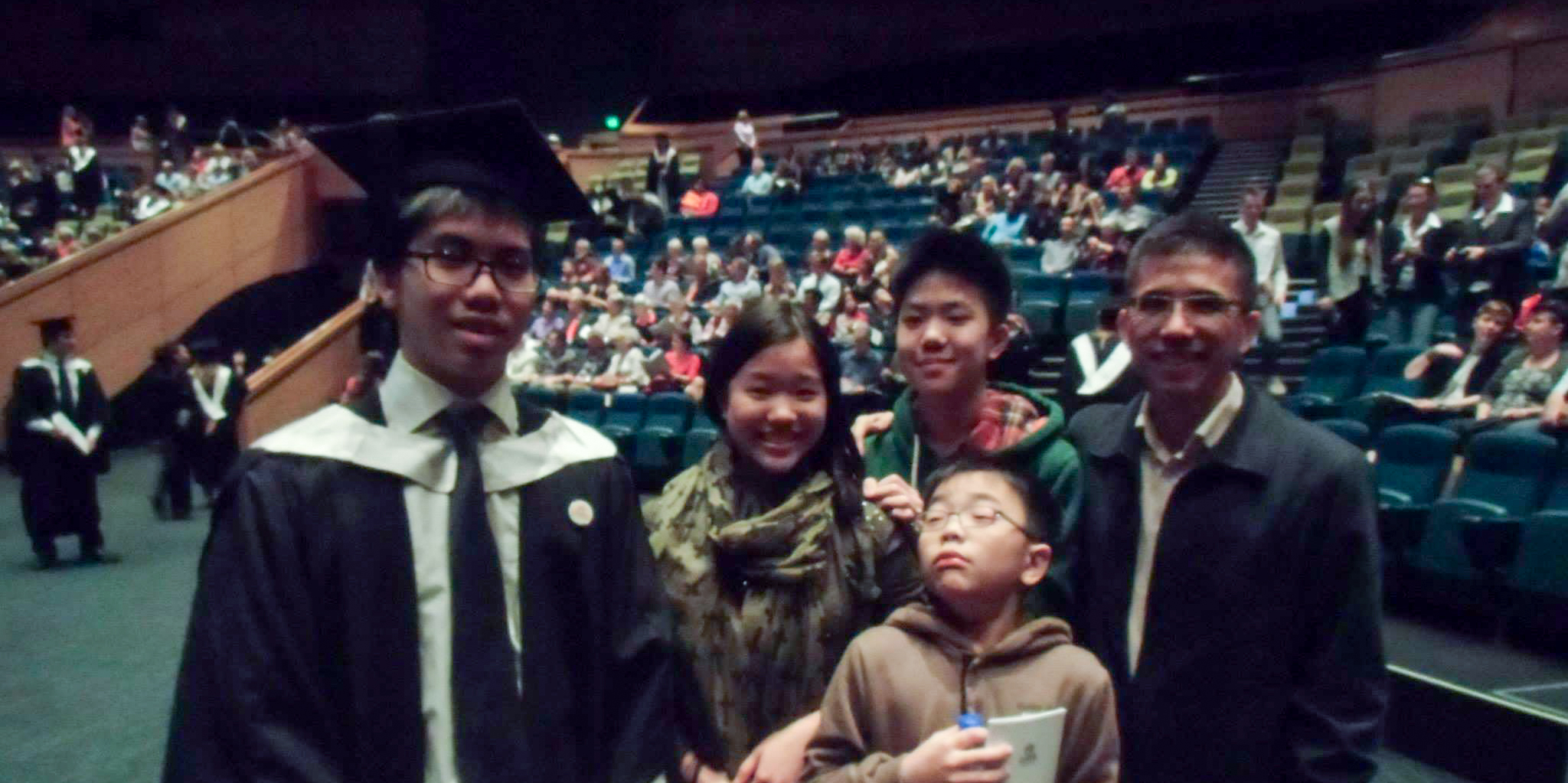
[vc_row type=”in_container” full_screen_row_position=”middle” column_margin=”default” column_direction=”default” column_direction_tablet=”default” column_direction_phone=”default” scene_position=”center” text_color=”dark” text_align=”left” row_border_radius=”none” row_border_radius_applies=”bg” overlay_strength=”0.3″ gradient_direction=”left_to_right” shape_divider_position=”bottom” bg_image_animation=”none”][vc_column column_padding=”no-extra-padding” column_padding_tablet=”inherit” column_padding_phone=”inherit” column_padding_position=”all” background_color_opacity=”1″ background_hover_color_opacity=”1″ column_shadow=”none” column_border_radius=”none” column_link_target=”_self” gradient_direction=”left_to_right” overlay_strength=”0.3″ width=”1/1″ tablet_width_inherit=”default” tablet_text_alignment=”default” phone_text_alignment=”default” column_border_width=”none” column_border_style=”solid” bg_image_animation=”none”][vc_column_text]Many years ago, I knew if I did not rescue my son from the system he was in, he would drop out despite being in a top (and excellent) school, Raffles Institution. His interest in school was dying. He was not submitting his homework for any of his class, and his teachers were calling me everyday so that I would watch him do his work. Driving him to school was a chore and I was clueless as to what to do.

The resources on the Internet were not as comprehensive as they are today, people were not as open and certainly, there was no one to consult with or ask.

When he was in primary school, I told his principal that he was good at Math when he was in P4. The principal retorted that that he had another whole bunch more brilliant than my son, and was not interested in listening to what my son was doing or was capable of. I was hoping someone would guide me and help me, but such help was not to be found.

I realized at that point that educators (and they are the same in any country) may be very nice people, but nurturing talent is seldom their priority. They are more interested in raising the masses, their KPIs, and of course, their time.

They were more concerned with their school ranking and results, so if a boy missed out on his opportunities, then so be it. But “so be it” did not work for me, so I decided I had to search out a path for my child, and I kept believing that as long as I searched hard, I would find solutions.

I knew at that time that I was probably the only Singaporean seeking alternatives. In the end, my son embarked on a High School program equivalent to an A level when he was P5, all on his own. I tried to tell the principal, hoping he would lend me some support. But he again brushed it aside, saying his other children were probably better and smarter. After that second try, I decided to journey on my own.

I had second thoughts when he made it to a top secondary school. I thought that perhaps the more challenging work would help, but it didn’t. In the end, I continued to journey on my own.

Looking back, now I know that all these – the lack of support from educators, and the uninterested ministry all came into my life for a good reason. It is because of them that I became very resilient, I diligently researched institutions of interest in almost every English-speaking country, searched through all possible avenues, and spoke to thousands of people.

In the end, I chanced upon so many options and opportunities for my children. Thinking back, it is because of the lack of support, that we managed to carve out unique paths for my children, all of whom entered universities and broke records of being the youngest. A far cry from the helpless person I was a few years ago, and I know it was because I chose not to be helpless.

Some people say it is because I have very gifted children, but I say they were not even recognized or given opportunities by the system, some people say they have talents, but I’d say they were hidden. I have learned that we can achieve whatever our minds’ eyes can see if only we choose to believe.

So, I hope to encourage you all to just go for anything you want. Whether it is an Ivy League, a scholarship, an early entrant or just seeking an education for your child with a disability.

Yes, we can make silly dreams come true only if we would believe and then put that belief into action.

Thank you, my son, for making me work a little harder so that I can know the possibilities that one can achieve just if we look deeper.

*The above is what I wrote when Old Boy graduated from the university in 2012 when he was 18. Today, besides the Youngest One who will graduate in 6 months, all my kids have finished their bachelor’s degrees and are either working or finishing their doctorate/Ph.D. As for me, I have made what I learned into a system and gotten our programs accredited so that other children like mine have a chance to achieve their potential, and other parents like me can help their kids become the best versions of themselves.[/vc_column_text][/vc_column][/vc_row]
Early Entrance – Youngest Medical Student

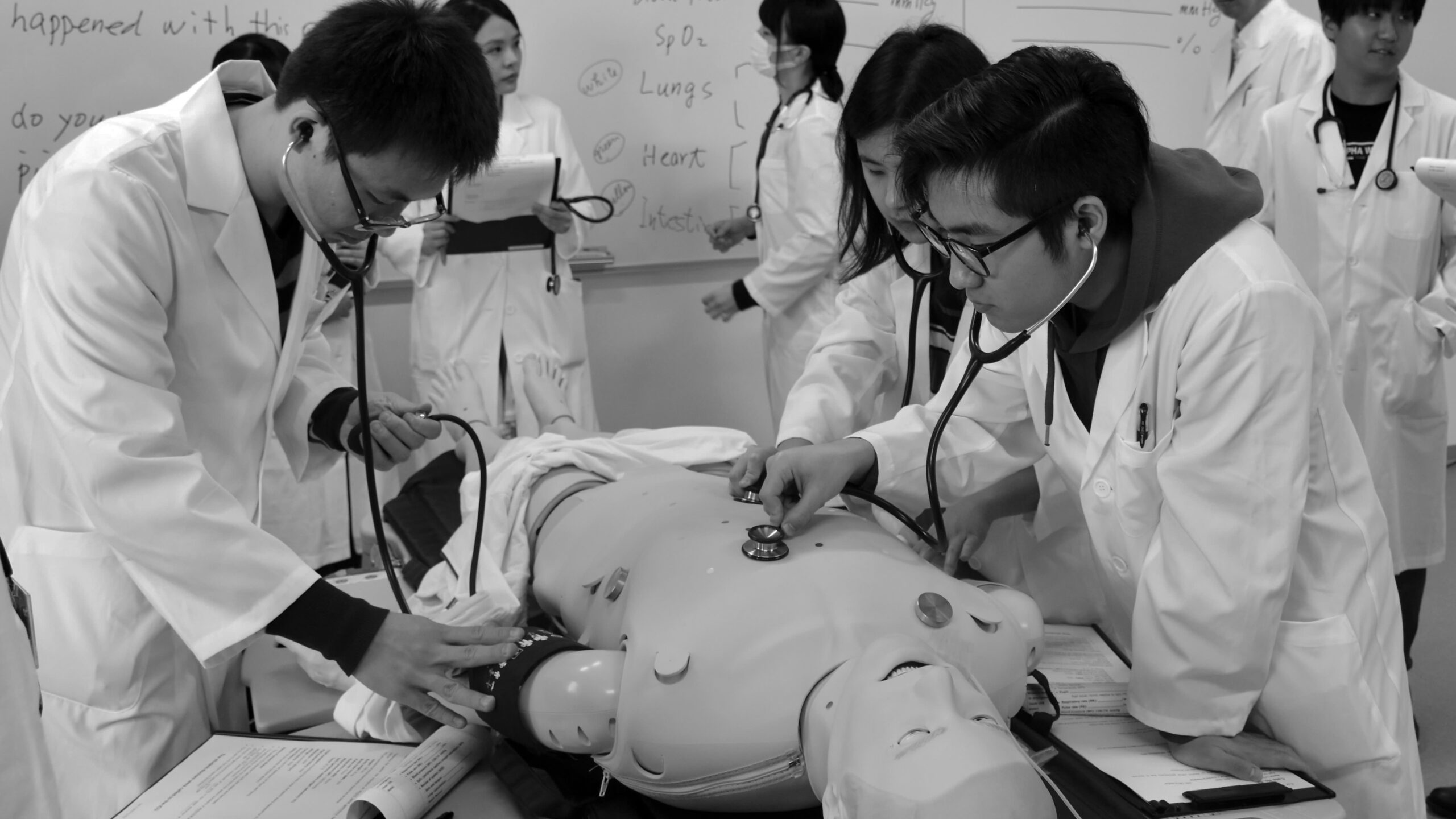
Last week, in All Gifted’s newsletter, I announced that the youngest student to make it to med school is 17-year-old Suki*. And while everyone is happy celebrating her phenomenal success, I only have one wish for her: good health.

Suki is a very sickly child, and it is for this reason that her mom came to my alternate path seminar 5 years ago to find an alternate path because Suki was missing school constantly due to poor health. Under normal circumstances, her studies would suffer a great deal.

Over the last five years, not only did Suki* not fall behind, she finished her high school two years ahead of her peers and made it to Monash Medical School. Some say it is a miracle, some might say it is luck but I say it is a wise mother’s decision to believe in her child and then steer her education in the right direction. In the end, Suki achieved what she dreams of.

While Pat* would only give credits to Suki for being a driven and hardworking student, that alone would not have gotten her this far. Pat told me that she invested one afternoon to hear what alternate paths mean and then, she just got more courage to do what was right for her child. Suki is such a hardworking child, achieving what she did was not difficult as soon as she knew what to do.

Interestingly, after the newsletter went out, another mother, Atica*, wrote and told me that her daughter will turn 18 before making into the same medical school. She asked me how Suki did it, because saving a year means a lot.

To me, making into a chosen course in the university in itself should be a celebration. Taking a year longer to graduate should not make her young daughter stressed. Even if it means that she will not be the youngest in the cohort, even if it means taking a year longer, it is still an outstanding achievement.

More importantly, we should know that we cannot turn back the clock to change things. I just wish Atica had spent just an afternoon with me five years ago. For $200, she would have listened to the alternate paths available, she would have helped her daughter achieve what the latter wants badly now.

Unfortunately, even if she wants to give me $2000 or $2m now, there is no way I can help turn back the clock or gain back that one or two years they feel they have lost. Although I am confident I would have given them a shorter and happier path, I am not saying they should take it, I just believe everyone should know all options available to them.

If you have kids between 7 and 20, I encourage you to open your eyes to alternatives available. You don’t have to take these paths, but you must know them.

I have reduced the cost of Alternate Paths seminar on Jan 4 2020 to $75, hoping to catch all the Aticas. Please do not write to me five years later to ask me to reverse time. I know that I cannot. I am confident every good parent can perform a miracle together with their child, but it has to start very early.

O, you know what? Even if you don’t come and write me five years later with regrets, I will still be happy to see what I can do to help. So please do feel free to write me anytime!

Einstein on Giftedness

“Everybody is a genius. But if you judge a fish by its ability to climb a tree, it will live its whole life believing that it is stupid.” ~Albert Einstein

Most people find it hard to believe that everyone is gifted, only IQ measures how clever we really are, and our potential success in school and career depends on that IQ number.  The fact is, all of us are gifted but in different ways. Einstein said that too.

You can turn some of us upside down and we still can see things right-side up, but we cannot read as fast and we see things differently. They call us dyslexic, and to think that Leonardo da Vinci was like that.

Some of us have supersonic sensual abilities and sensitive in hearing, sight, smell and touch, and can detect 10 different musical instrument parts in a piece, taste and smell 5 different ingredients in a dish, or sense the motions of things around us.

It is therefore hard to sit in a normal school setting since everything is heightened and it becomes hard to function, so they say we have sensory integration disorder, and order us to go for therapies. In that case, Mozart and Gordon Ramsey would have to go for therapies too if they were born in this generation.

Some of us love to study the links between unrelated things, the mosquitoes and a tsunami, sand and glass, then we ask too many questions and are irrelevant. Just like Einstein who was not accepted in schools and thought to be stupid.

Since we have a passion for simple topics and study them to the ends, we are aspergers or autistic. Then, most professors in universities are aspergers since they are experts in only very few topics.

If we were to measure people by just how the schools measure us, then most gifted are ignored and have to grow up thinking we are stupid (I did).

Academic achievements, standardized and IQ tests cannot be the only means to measure even our own kids. So if you think or were told your child has a disability, then think again.

In many occasions, I was told my children have disabilities, but I chose to think otherwise. Instead, I went to look deep into their capabilities, focus on developing their self-esteems and motivate them find their dreams and their passions, because going by a standard measurement, they would be failures.

Interestingly, when they’ve found their passions, and when they have good self-esteems, they even fair well in standardized tests, which is a bonus.

Decades after Einstein, Howard Gardner’s research on multiple intelligence went on to attract attention from educators and psychologists the world over.  He too believe there are many kinds of intelligence in people. He is still actively researching into this area at Harvard University today.

If we are given a fish, instead of forcing our fish to climb a tree, let’s encourage our fish to swim its best, I’m glad his mother and his coach overlooked the ADHD and saw the fish in Michael Phelps.

How To Develop A Child To The Fullest

Written for psd.gov.sg
Educator and entrepreneur Pamela Lim shares how she brings out the best in a child.
how-to-develop-a-child-to-the-fullest-thumbnail

“Everybody is a genius. But if you judge a fish by its ability to climb a tree, it will live its whole life believing that it is stupid.” ~Albert Einstein.

I grew up thinking I was stupid, simply because I did not fit into the mould of a typically “intelligent” child. I chose to follow only certain instructions, made mistakes trying outrageous new things, questioned and dared to disagree. It was only when I started to run my own companies that I realised that these are not necessarily flaws, and that I do have some positive traits.

For decades, many people believed that giftedness meant a limited set of skills endowed upon an elite group of people. Yet, if we examine those around us, we can see that everyone has some kind of talent that cannot be measured by IQ tests, academic results or the schools attended.

quote

People learn best when they feel they are in control, can achieve and see results.

According to Harvard psychology professor Howard Gardner, intelligence can be observed in at least nine areas: musical-rhythmic, visual-spatial, verbal-linguistic, logical-mathematical, bodily-kinaesthetic, existential, interpersonal, intrapersonal and naturalistic. I believe that we can maximise a child’s potential if we put effort into finding the areas he is gifted in, leverage technology to teach him by appealing to his intelligence, and spend more time honing his socio-emotional skills.

Throughout the history of schools, educators have been teaching as if everyone learns the same way. Yet, in a class of 30-40 students, it is hard to find any two who are the same. There will be kinaesthetic students who need to run around, existential students who have too many questions to ask, logical students who need to make mathematical sense out of every subject, and visual students who need to see the pictures in their minds.

People learn best when they feel they are in control, can achieve and see results. It is therefore best to build upon their natural giftedness when teaching something new. When a child is successful in learning in his strongest areas, he will also gain confidence to attempt things he is not naturally good at. A bodily-kinaesthetic child, for instance, needs to move around to learn. So forcing such a student to sit on the same chair for half a day won’t get anything into his brain. Giving him reasons and responsibilities that get him off his seat will motivate him better.

When my son was in kindergarten, he was allowed to walk around the classroom while the teachers taught. When the teachers were done, he could regurgitate everything from the different star constellations to the Seven Wonders of the World, and he was never a difficult student. But when he went on to primary school, he was asked to sit still. He first tried to disturb his friends, then fell asleep most of the day and eventually learned nothing much in school for the next four years.

To cater to children of different needs, many schools around the world are embracing technology. E-learning, videos, games and demonstrations can be used to provide customised learning materials to appeal to children who learn differently. For example, a visual-spatial child can learn quicker when the lessons are presented visually through videos or demonstrations. A verbal-linguistic child can learn mathematics through reading about numbers, a naturalistic child can learn through linking mathematical concepts to nature, an interpersonal child can do activities that appeal to his needs to connect to a larger group.

With technology taking over some of the mundane curriculum delivery, educators can spend more time looking into the students’ psychological, moral, social and emotional needs. Rather than being saddled with delivering academic subjects, teachers are released to connect with the students and teach them what technology cannot: empathy, values and life skills.

Every child (and for that, every person) is a gem, and if we take the effort to discover his gifts, use technology to leverage his gifts to deliver lessons to him effectively, and spend time to nurture the soft skills, then in everyone there is a good chance he can achieve even what his mind’s eyes cannot see.


Pamela Lim, a mother of five, is an entrepreneur and a former lecturer at the Singapore Management University for entrepreneurship and innovation. She runs the online All Gifted High School, which offers courses for homeschooled and school-going children. For more on Howard Gardner’s multiple intelligences: bit.ly/MI_gardner

  • POSTED ON
    Jul 2, 2014
  • TEXT BY
    Pamela Lim
  • ILLUSTRATION BY
    Mushroomhead

We don’t spam! Read more in our privacy policy